800 NAKHEEL
Coastal Home Outdoor Spaces: How to Evaluate Balconies, Terraces and Rooftops
Outdoor space can add lasting lifestyle and property value to a coastal home, but only when it offers more than an appealing waterfront view.. A balcony, terrace or rooftop should be assessed for comfort, privacy, durability and upkeep, especially in waterfront settings where salt air, humidity, wind and sunlight can affect its condition and long-term usability.
For buyers, the question is not which outdoor space looks most impressive. It is which one will remain comfortable, functional and easy to maintain for everyday living, family gatherings and years of ownership.
Key Takeaways
- How Should Buyers Compare a Balcony, Private Terrace and Rooftop When Choosing a Coastal Home?
- How Do Orientation, Shade, Prevailing Winds and Overlooking Affect Whether an Outdoor Space Is Comfortable and Usable Throughout the Year?
- Which Materials and Design Details Help Railings, Screens, Flooring and Shading Withstand Salt Air, Humidity and Strong Sunlight?
- What Drainage, Waterproofing, Corrosion and Maintenance Issues Should Buyers Inspect Before Purchasing a Coastal Home with Outdoor Space?
- Find a Coastal Home with Outdoor Space that Works in Daily Life
How Should Buyers Compare a Balcony, Private Terrace and Rooftop When Choosing a Coastal Home?
A balcony is usually the easiest outdoor space to maintain. It works well for morning coffee, reading, compact seating arrangements or enjoying a view without taking on the upkeep of a larger terrace. Buyers should check its depth, furniture capacity, railing height, privacy from neighbouring units and whether doors can open fully without restricting access or movement.
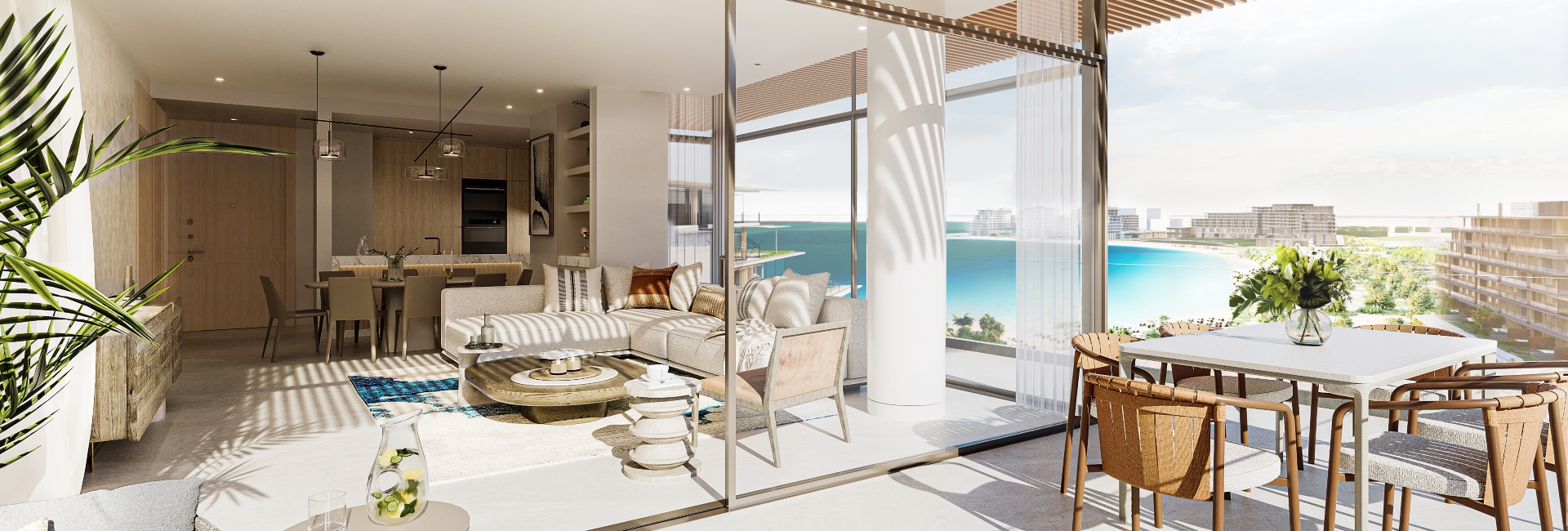
A private terrace offers greater flexibility for indoor-outdoor living. It can support dining, lounging, children’s play or planted areas if the layout, shade and drainage are properly planned. The main checks are access from living areas, usable width, exposure to neighbouring homes, floor finish, water runoff and how much of the terrace remains comfortable throughout the warmer parts of the day.
A rooftop can create the strongest sense of privacy and offer elevated coastal views.. It may work well for sunset seating, entertaining or a quieter outdoor zone away from ground-level activity. Buyers should inspect stair or lift access, safety barriers, wind exposure, lighting, drainage points, waterproofing and whether the rooftop provides sufficient shade for regular use.
The best option depends on how the family intends to use the outdoor space. A balcony suits light daily use. A terrace supports frequent outdoor dining and relaxation. A rooftop provides a distinct setting for coastal views and entertaining, but usually needs more careful maintenance.
How Do Orientation, Shade, Prevailing Winds and Overlooking Affect Whether an Outdoor Space Is Comfortable and Usable Throughout the Year?
Orientation determines when a coastal outdoor space is likely to be most comfortable. Morning sun can make a balcony or terrace easier to use early in the day, while strong afternoon exposure can make seating areas hot unless there is deep shade, treated glazing or planted screening. Buyers should visit at different times to understand how sunlight moves across the space.
Shade should come from permanent or well-integrated features, rather than relying on movable furniture or temporary solutions. Recessed terraces, pergolas, overhangs, screens and planted edges can make outdoor areas more comfortable throughout the year. A large terrace with no shade may be less practical than a smaller balcony that benefits from longer periods of protection.
Wind is another key factor when evaluating a coastal home . Higher floors, rooftops and exposed waterfront plots can experience stronger gusts, which may affect seating, dining, planting and children’s use. Buyers should stand in the space, open the doors, consider whether outdoor furniture requires securing and ask how the area performs during breezier months.
Overlooking can significantly influence privacy and everyday usability. A terrace facing another building, road, promenade or neighbouring balcony may feel less secluded, even if it offers an attractive coastal outlook. Buyers should check sightlines from adjacent homes, upper floors, shared paths and nearby amenities before deciding whether the outdoor space provides sufficient privacy for daily life
Which Materials and Design Details Help Railings, Screens, Flooring and Shading Withstand Salt Air, Humidity and Strong Sunlight?
Coastal materials need to resist corrosion, fading, warping and surface damage. Railings, screens, fixings and metal frames should use corrosion-resistant finishes, marine-grade components where appropriate and well-sealed joints. Buyers should look for early signs of rust around screws, brackets, hinges, balcony edges and drainage outlets, as these may indicate exposure-related deterioration.
Flooring should provide grip, heat resistance and easy maintenance. Porcelain tiles, treated stone and quality outdoor decking systems can work well when installed with proper falls, expansion gaps and drainage. Highly polished surfaces may look refined but can become slippery when wet and less practical for regular outdoor use.
Shading systems should be checked for durability, stability and ease of operation. Pergolas, canopies, louvers and screens need stable fixing points, weather-resistant finishes and fabrics or panels designed to withstand prolonged sun exposure. Buyers should ask how easily parts can be cleaned, repaired or replaced.
Small details can reveal the overall quality of an outdoor space. Door tracks, threshold seals, balcony drains, outdoor sockets, lighting fixtures and planter edges often show whether the space was designed for sustained coastal living rather than visual impact alone.
What Drainage, Waterproofing, Corrosion and Maintenance Issues Should Buyers Inspect Before Purchasing a Coastal Home with Outdoor Space?
Water should move away from doors, walls and seating areas towards clear drainage points. Buyers should look for standing water, stained tiles, blocked outlets, uneven slopes or damp marks below balcony and terrace edges which may signal ineffective drainage or water ingress..
Waterproofing should be assessed carefully on terraces and rooftops. Cracks, loose tiles, swollen paint, ceiling stains below the outdoor area or repeated patch repairs can point to underlying waterproofing concerns . Buyers should ask when waterproofing was last inspected, what warranty applies and whether any previous leaks were identified and professionally repaired.
Corrosion is common in exposed coastal settings. Railings, metal screens, outdoor AC components, light fittings, door hardware and fixing points should be checked for rust, flaking, bubbling paint or weakened joints. Even minor signs of corrosion may lead to costly repairs if they affect structural or safety components.
Maintenance access also matters. Buyers should understand who is responsible for cleaning drains, repairing railings, maintaining shading systems, replacing outdoor flooring and managing planted areas. In shared buildings, this may be covered by building management and reflected in service charges. In private homes, the owner may have greater responsibility for ongoing upkeep.
Find a Coastal Home with Outdoor Space that Works in Daily Life
A balcony, terrace or rooftop should add more than a view. It should support privacy, comfort, family routines and long-term ownership with the right orientation, materials, drainage and maintenance planning.
Explore Nakheel coastal homes and compare outdoor spaces by how they will perform every day, from shaded seating and view orientation to durability, upkeep and access to waterfront amenities.