800 NAKHEEL
Dubai Islands: The Rise of Multi-Centre Coastal Living in Dubai's Luxury Waterfront Real Estate
A waterfront address carries greater value when the surrounding neighbourhood supports everyday life. Access to boutique retail, fine dining, wellness facilities and reliable transport can determine whether a coastal home in Dubai performs as a permanent residence, a second home or an income-generating rental property.
Dubai Islands, Nakheel's five-island masterplan off the Deira coastline, brings these uses together within a single waterfront destination. For investors, the opportunity rests on how individual residential communities connect with the wider destination, and how that relationship matures as infrastructure and amenities are delivered.
Key Takeaways
- What Is Multi-Centre Coastal Living, and How Does Dubai Islands Connect Residential, Hospitality, Retail and Leisure Districts within One Waterfront Ecosystem?
- Which Masterplan Elements, Connectivity Upgrades and Future Amenities Are Most Likely to Enhance Lifestyle Convenience and Property Demand at Dubai Islands?
- How Does a Mix of Hotel, Retail, Leisure and Residential Districts Influence Footfall, Rental Income, Capital Appreciation and Long-Term Property Demand on Dubai Islands?
- What Should Investors Verify About Phasing, Infrastructure, Handover Timelines and Future Amenities Before Buying Off-Plan Property on Dubai Islands?
- Which Dubai Islands Communities and Property Types Suit Different Lifestyle and Investment Goals?
What Is Multi-Centre Coastal Living, and How Does Dubai Islands Connect Residential, Hospitality, Retail and Leisure Districts within One Waterfront Ecosystem?
Multi-centre coastal living describes a waterfront destination with several connected places to live, shop, dine and unwind. Each neighbourhood serves a distinct purpose, while shared transport routes and public spaces allow residents and visitors to move seamlessly between them.
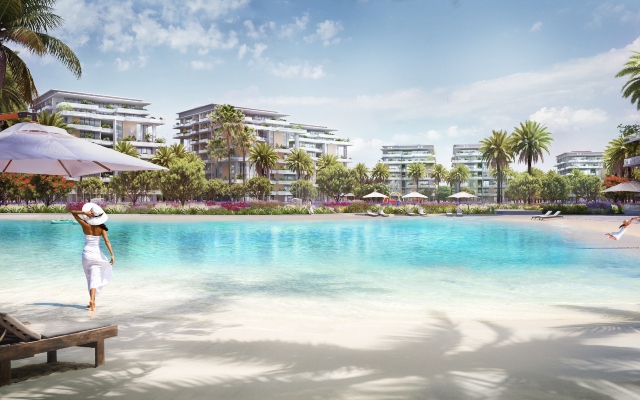
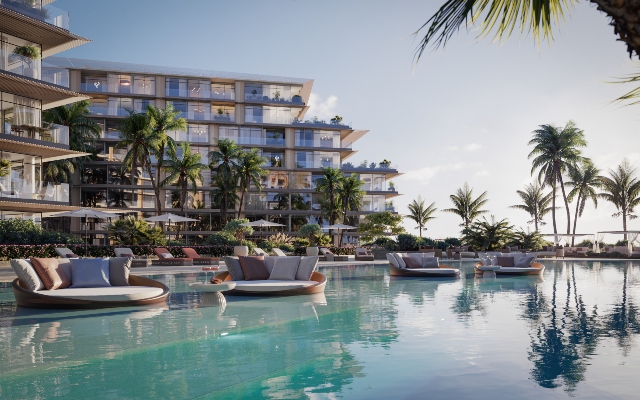
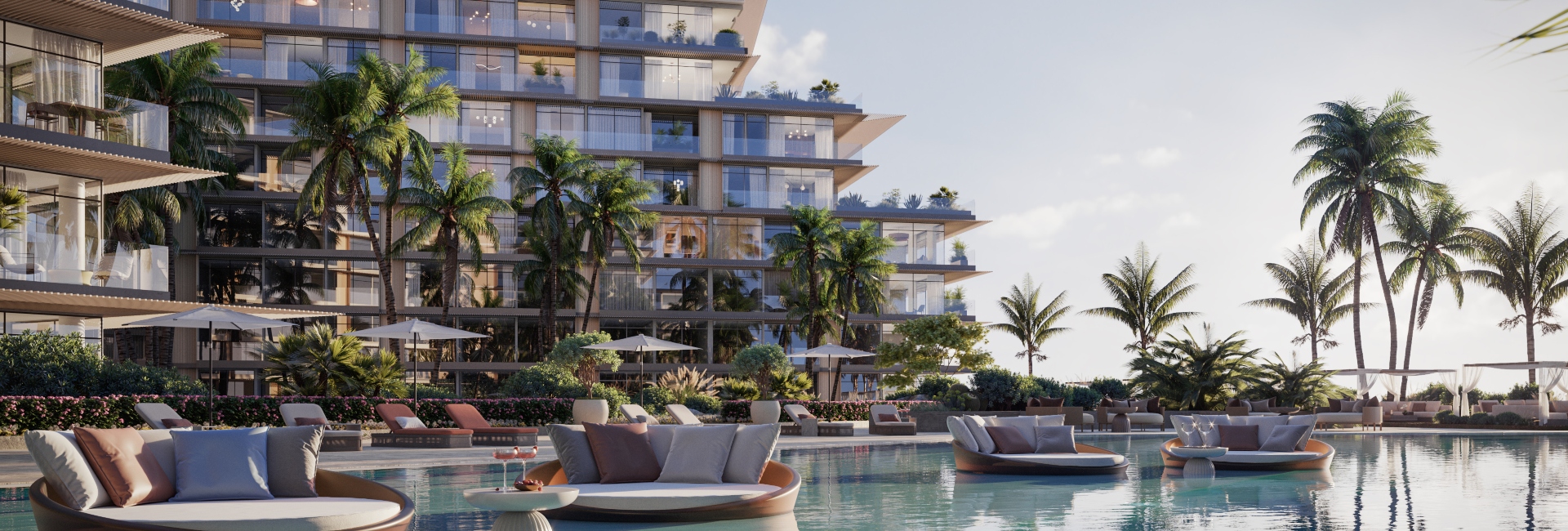
At Dubai Islands, the masterplan brings together homes, hotels, branded residences and recreational destinations. Planned marinas, waterfront promenades, cycling routes and water-transport connections are designed to link these experiences across the islands.
This interplay between uses is central to the concept. Hotels draw customers to restaurants and shops; residents sustain demand beyond the holiday season; and accessible leisure spaces give both groups reasons to spend time locally.
For a residential investor, the key question is how well a particular home connects to this network. A nearby retail district offers greater convenience when it can be reached comfortably on foot. A waterfront promenade becomes more valuable when it links homes with destinations residents visit regularly.
Which Masterplan Elements, Connectivity Upgrades and Future Amenities Are Most Likely to Enhance Lifestyle Convenience and Property Demand at Dubai Islands?
The long-term residential appeal of Dubai Islands will be shaped by the accessibility, infrastructure and amenities that support everyday life.
Dubai Islands spans 18.6 square kilometres and is planned to feature approximately 57 kilometres of coastline, including 21 kilometres of beachfront. The masterplan further incorporates eight marinas, two championship golf courses, coastal parks and cycling routes.
Several elements are especially relevant to future residential demand at Dubai Islands:
- Mainland Connectivity: Links to the Al Shindagha Corridor and the wider road network improve access to business districts, schools and key destinations on the mainland. Reliable connectivity is especially important for permanent residents.
- Marinas and Waterfront Facilities: Planned marina connections and promenades could support recreational boating, alfresco dining and leisure activity, enhancing the appeal of nearby residences.
- Parks and Pedestrian Routes: Landscaped spaces and connected walking routes can encourage an active outdoor lifestyle, particularly when they offer convenient access between homes and community amenities.
- Retail and Everyday Services: Supermarkets, restaurants, healthcare facilities and other essential services can reduce reliance on trips to the mainland as the resident population grows
How Does a Mix of Hotel, Retail, Leisure and Residential Districts Influence Footfall, Rental Income, Capital Appreciation and Long-Term Property Demand on Dubai Islands?
A blend of uses can sustain activity throughout the day and across the year. Their influence on investment performance, however, follows different paths.
Footfall supports local businesses. Hotel guests and leisure visitors can increase spending at restaurants and boutiques, while residents provide repeat custom. A broader customer base can help sustain a more diverse local offering. Busy public areas, however, still require appropriate parking, servicing and separation from private residential entrances.
Rental income depends on tenant priorities. Holiday guests may prioritise beach access and dining, while long-term tenants may place greater emphasis on commuting times, storage and everyday services. A property’s location and layout should align with its intended rental market. Visitor numbers alone do not determine achievable rents or occupancy.
Capital appreciation depends partly on what the purchase price already reflects. New transport links and completed amenities can make a district more desirable. If buyers have already paid a substantial premium for those improvements, delivery may confirm the original valuation rather than generate further gains. Competing supply and wider market conditions also influence resale prices.
Long-term demand benefits from a broader residential base. A destination that appeals to permanent residents, second-home owners and visitors draws on several sources of demand. That diversity is most valuable when residential privacy, service standards and upkeep remain consistent as visitor activity grows.
What Should Investors Verify About Phasing, Infrastructure, Handover Timelines and Future Amenities Before Buying Off-Plan Property on Dubai Islands?
The most robust assessment links the purchase contract with the expected condition of the surrounding neighbourhood at handover.
- The Specific Project and Phase: Project registration, escrow details and recorded construction progress should correspond to the exact property being purchased. Dubai REST provides access to project information, including completion percentages, site photographs and escrow account details.
- The Contractual Timetable: The sale and purchase agreement (SPA) should set out the anticipated handover date, applicable extension provisions and payment obligations. Any construction programme announcement should be read alongside the contract.
- Infrastructure Readiness: Access roads, utility connections, drainage, telecommunications and emergency access all determine readiness for occupation. Their delivery may follow a separate programme from the residential building.
- The Amenity Schedule: Buyers should establish which facilities belong to their project, which are shared across the wider destination and which are scheduled for later phases. The value of these amenities depends on whether residents can use them freely, must pay additional fees or face restrictions such as limited opening hours or booking requirements.
- Neighbouring Development: Adjacent plots, planned building heights and construction access can affect views, privacy and the early years of residence.
- Recurring Costs: Estimated service charges, maintenance responsibilities and any additional facility fees should be clearly distinguished from approved charges.
Which Dubai Islands Communities and Property Types Suit Different Lifestyle and Investment Goals?
Dubai Islands offers a range of residential concepts, from apartments with shared amenities to private villas and expansive waterfront residences. Their suitability depends on intended use, privacy requirements, accessibility and the likely tenant or resale market.
Waterfront Apartments and Penthouses
Bay Grove Residences offers one- to four-bedroom apartments and penthouses, with planned amenities including swimming pools, fitness facilities, landscaped spaces and access to Crystal Beach.
Apartments may suit investors seeking exposure to a broader tenant market, including professionals, couples and families. Rental performance, however, will vary according to floor area, outlook, layout, building management and service charges.
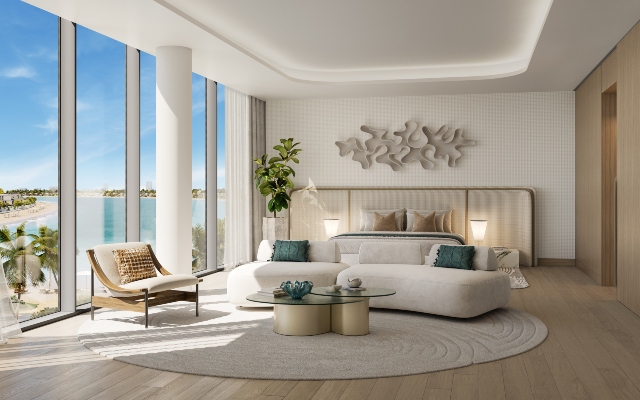
Penthouses offer more generous living spaces and potentially more distinctive views, although their higher acquisition costs call for a separate assessment of achievable rents and resale demand.
Private Villas and Townhouses
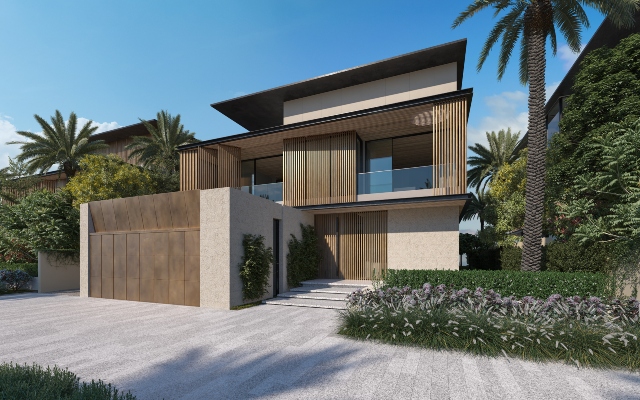
Bay Villas features a variety of villa and townhouse configurations, including beachfront homes, garden villas and semi-detached residences.
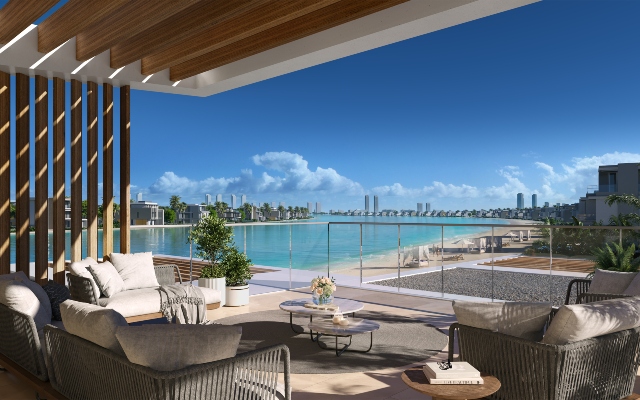
These properties appeal to buyers seeking private outdoor space, larger floor plans and separation from shared residential facilities. Beachfront positioning may enhance exclusivity, although plot orientation, neighbouring properties and garden privacy can considerably shape the experience.
Nakheel's Bay Estate, unveiled in October 2026, introduces a further gated residential concept. Its planned collections include Cala, centred on lagoon living; Verda, focused on landscaped family environments; and Agora, offering a more socially connected setting.
These distinctions show how individual developments cater to different residential priorities within the wider masterplan.
Individual property positioning remains critical. A sea-facing residence does not necessarily guarantee a permanently uninterrupted view, while proximity to marina facilities may bring greater pedestrian activity and associated noise.
From an investment perspective, apartments may offer access to a wider rental market, whereas distinctive villas and premium waterfront residences may attract a narrower segment of buyers with more specific requirements. Neither property type inherently guarantees a higher return.
Branded Residences and Resort-Style Living
Rixos Dubai Islands Hotel & Residences combines private residences with hospitality-led services and amenities. The development comprises one- to three-bedroom apartments, four-bedroom duplexes, beach houses and luxury villas, with direct access to a 700-metre beach. Residents also enjoy facilities such as swimming pools, restaurants, a spa and a fitness centre.
For investors, branded residences represent a distinct proposition from conventional waterfront properties. Resort-style facilities and professional hospitality services may attract buyers and tenants seeking a service-led lifestyle, although associated operating costs and service charges can affect net rental returns.