800 NAKHEEL
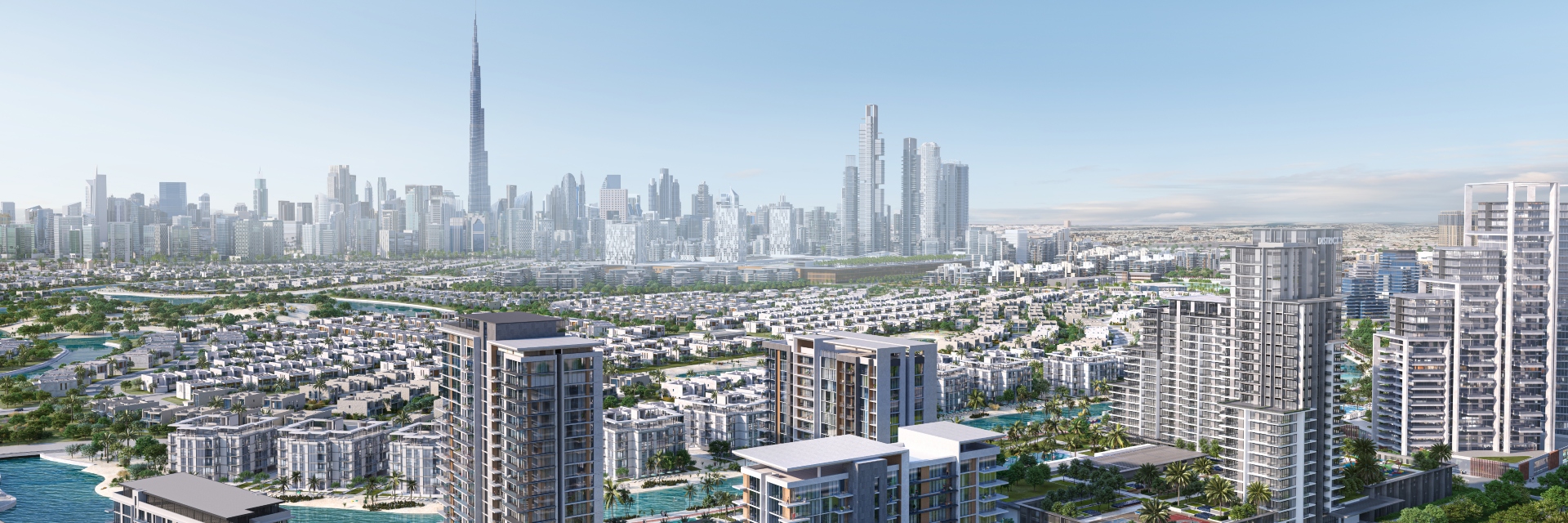
Dubai Real Estate: The Structural Forces Driving Long-Term Global Capital
Dubai Real Estate: The Structural Forces Driving Long-Term Global Capital Global capital increasingly recognises Dubai as a structurally competitive property market. The narrative has shifted from short-term cycles to long-range strategy, underpinned by economic depth, regulatory clarity and sustained demographic momentum.
In 2023, real estate contributed 5.7% to UAE GDP, rising from 5.24% in 2020. By 2024, Dubai recorded over 226,000 property transactions, contributing to an estimated USD 243.2 billion in total UAE real estate activity. These figures reflect scale, but the true strength lies in the underlying fundamentals shaping demand.
Key Takeaways
- Macroeconomic Fundamentals Supporting Real Estate Demand
- Monetary Framework and Currency Stability
- Demographic Expansion and End-User Demand
- Institutional Architecture and Regulatory Governance
- Rental Market Fundamentals and Yield Competitiveness
- Infrastructure Investment as a Value Multiplier
- Liquidity, Transparency, and Market Maturity
- Dubai as a Structurally Competitive Real Estate Market
Macroeconomic Fundamentals Supporting Real Estate Demand
Dubai’s property performance mirrors the strength of its broader economy. UAE GDP growth is projected between 4.7% and 6.2% in 2025, while Dubai’s economy is forecast to expand by approximately 3.3%.
This growth is diversified across tourism, aviation, logistics, financial services and advanced trade corridors. Employment expansion and corporate relocation continue to reinforce residential and commercial demand. A multi-sector economy reduces volatility and supports property absorption across varying price segments.
Monetary Framework and Currency Stability
The UAE dirham’s peg to the US dollar provides exchange-rate consistency, while monetary policy alignment with the US Federal Reserve enhances predictability in financing conditions
For international investors, this stability reduces exchange-rate risk and allows for more predictable, long-term property valuations that set Dubai apart from many emerging markets, where currency swings can quickly eat into returns.
Demographic Expansion and End-User Demand
The population is expanding rapidly, with estimates projecting over 4 million residents by 2026, driven by exponential expatriate inflows. In the first three quarters of 2025 alone, approximately 155,000 new residents were added.
This influx directly fuels household formation and underpins a sustained need for rental units and primary homes, reducing the market's reliance on short-term speculative cycles. Demand is increasingly anchored in genuine occupancy rather than short-term capital rotation, reinforcing stability across mid-and prime segments.
Institutional Architecture and Regulatory Governance
Dubai has strengthened its regulatory ecosystem to create a transparent and investor-aligned framework. Core pillars include:
Freehold Foreign Ownership
Clear laws regarding ownership zones granting direct title and legal clarity.
Escrow Protections
Safeguarding off-plan buyer funds and ensuring disciplined project delivery.
Smart Rental Index
A data-led benchmark promoting consistency and fairness in rental adjustments.
Rental Market Fundamentals and Yield Competitiveness
Dubai offers a compelling yield differential compared to established global cities. In Q1 2025, average gross yields stood at approximately 7.3% for apartments and 5.0% for villas, with wider market averages between 6% and 7%. Select micro-markets have recorded yields above 9%.
By comparison, residential assets in London, New York City and Singapore typically yield between 2% and 4%.
The yield spread, combined with a tax-efficient environment and strong liquidity, enhances Dubai’s position within global income-focused portfolios.
Infrastructure Investment as a Value Multiplier
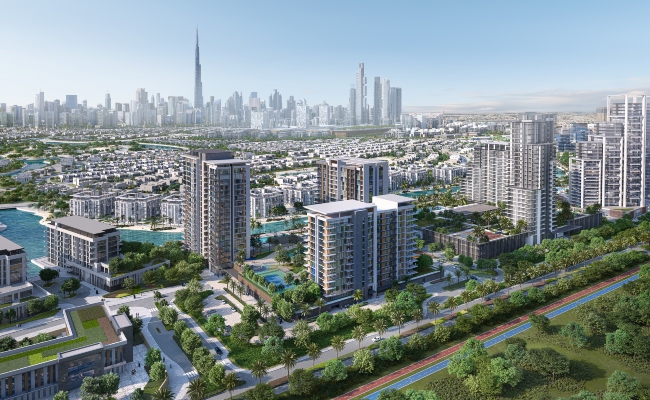
Initiatives like the Dubai 2040 Urban Master Plan ensure continuous investment into connectivity, green spaces, and liveability. Infrastructure investment creates value gradients across emerging districts, shaping demand migration and supporting capital appreciation. Well-planned master communities continue to attract corporate tenants and long-term residents seeking integrated lifestyle ecosystems.Liquidity, Transparency, and Market Maturity
A liquid market allows investors to enter and exit positions efficiently. With Dubai’s market highly active, residential sales prices rising ~20% in 2024 and rental rates increasing by ~19%. Transaction volumes have maintained elevated levels, recording record quarterly and annual values.
Transparent reporting and high transactional turnover facilitate accurate price discovery and narrow bid–ask spreads. These characteristics are hallmarks of mature investment markets and are increasingly attracting institutional capital allocation.
Dubai as a Structurally Competitive Real Estate Market
Dubai’s real estate sector is supported by economic diversification, regulatory safeguards, demographic expansion, yield competitiveness and strategic infrastructure deployment. Together, these factors create a resilient investment environment capable of sustaining both income performance and capital growth.
Partnering with established master developers remains critical in identifying assets aligned with long-term urban strategy. Nakheel continues to shape integrated waterfront and mixed-use communities designed around connectivity, liveability and enduring asset quality, fully aligned with the Dubai 2040 Urban Master Plan.