800 NAKHEEL
From Coastal Destination to Everyday Neighbourhood: How Dubai’s Waterfront Districts are Evolving
Dubai’s waterfront districts are entering a more mature stage of development. Coastal addresses were once assessed primarily for their panoramic views, direct beach access, and resort-style appeal. Their long-term value is now determined by their ability to support everyday routines: school journeys, grocery trips, access to healthcare, commuting, exercise, and community interaction.Key Takeaways
- Why Waterfront Districts are No Longer Only Weekend Destinations
- The Infrastructure that Turns Coastal Areas into Neighbourhoods
- Public Realm as the New Measure of Waterfront Quality
- What Investors Should Watch in Emerging Waterfront Districts
- Waterfront Value Grows When Lifestyle Becomes Everyday Function
Why Waterfront Districts are No Longer Only Weekend Destinations
The traditional coastal model relied heavily on hospitality offerings, dining destinations, and leisure-led experiences. That model could generate visibility, but it did not necessarily create stable residential demand throughout the year.
Mixed-Use Coastal Planning and Rising End-User Demand
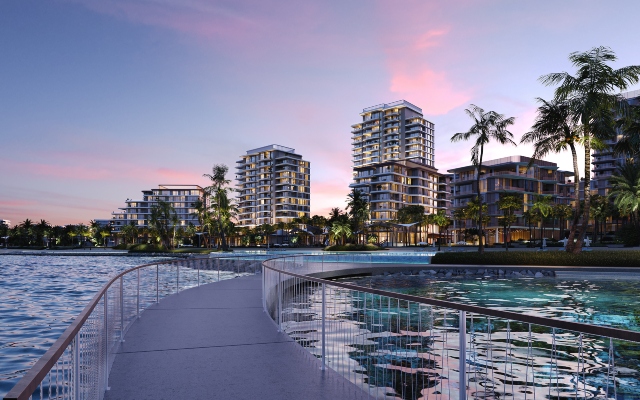
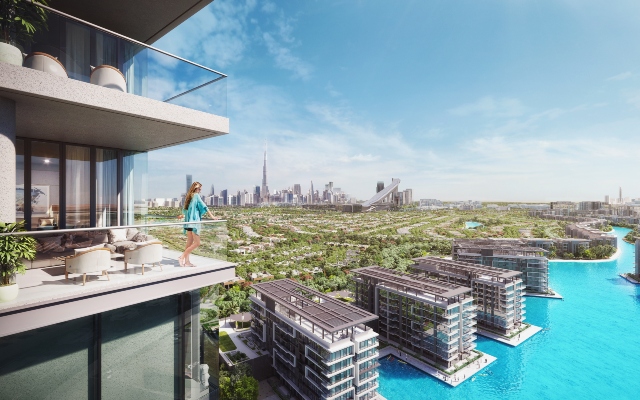
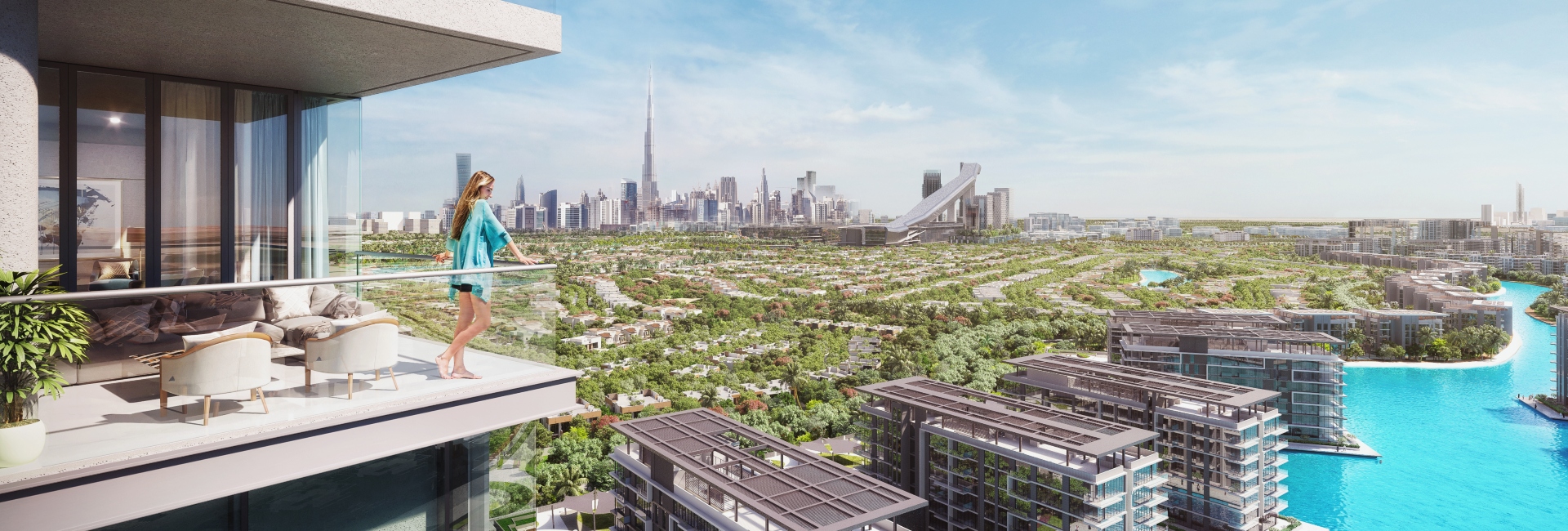
The newer generation of coastal master plans combines hospitality with permanent homes, public spaces, local services, and mixed-use neighbourhoods. This reflects a wider shift towards owner-occupied and end-user demand. Research on Dubai’s residential market has identified growing interest among high-net-worth individuals seeking homes for personal occupation, with 83% of surveyed global HNWIs expressing interest in acquiring land to build a home.
How End-User Behaviour Shapes Sustainable Coastal Communities
Permanent residents evaluate neighbourhoods differently from short-term visitors. They assess privacy, travel time, maintenance, school access, and neighbourhood activity across the full week. Their presence creates recurring demand for services and helps coastal districts develop a more resilient local economy beyond seasonal tourism.
The Infrastructure that Turns Coastal Areas into Neighbourhoods
A coastline creates scarcity, but infrastructure transforms that natural advantage into long-term functionality and value. Roads, bridges, utilities, drainage, cooling networks, and telecommunications determine whether a coastal district can operate reliably as a permanent residential location.
Planning Framework: The 20-Minute City and Connected Communities
Dubai’s planning direction supports this transition through the 20-minute city model, which aims to place essential facilities within a short journey for most residents. The wider Dubai 2040 Urban Master Plan also seeks to connect neighbourhoods through mobility networks, service centres and accessible public spaces rather than treating residential clusters as isolated developments.
Infrastructure Scale: Dubai Islands as a Case Study
Dubai Islands illustrates the scale of infrastructure required. An AED527 million contract awarded in 2026 covers roads, water, electricity, telecommunications, drainage, sewage and district-cooling connections on Island B. The broader destination is planned for more than 231,000 residents across approximately 49,000 homes, supported by three mainland bridges.
Public Realm as the New Measure of Waterfront Quality
Waterfront quality is no longer measured only by the amount of coastline within a development. The more relevant question is how residents can use it.
Designing Waterfronts for Everyday Use
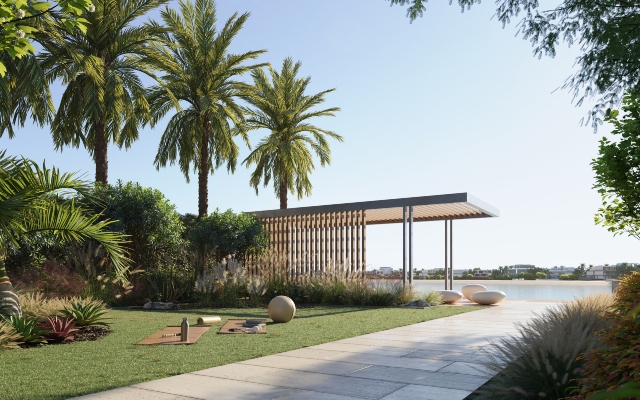
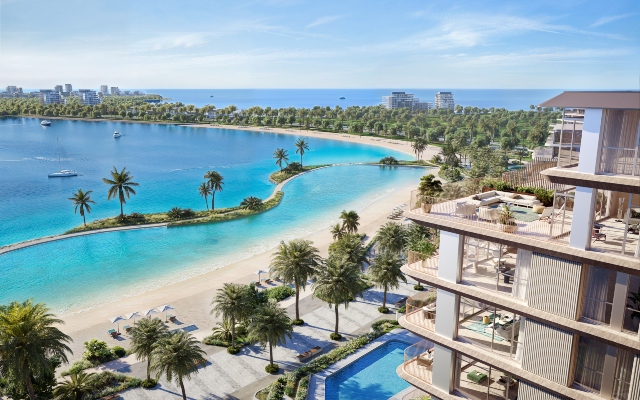
Walkable promenades, shaded routes, parks, cycling connections, beaches and gathering spaces transform water from a visual asset into an integral part of daily life. These features encourage longer visits, repeated activity, and interaction between residents, increasing the social and practical value of the district.
Strategic Expansion of Public Coastal Infrastructure
Dubai’s long-term urban strategy includes plans to increase the length of public beaches by as much as 400% and expand land allocated to education and healthcare facilities by 25%. Palm Jebel Ali also demonstrates the move towards mixed-use, pedestrian-friendly coastal neighbourhoods, with more than 90 kilometres of beachfront planned across seven islands and 16 fronds. The emphasis is increasingly on creating complete waterfront communities rather than standalone leisure destinations.
Redefining Premium Value in Waterfront Real Estate
For the beachfront property Dubai market, this changes the definition of premium positioning. Exclusivity remains important, but access, landscaping, environmental quality, and public-realm management increasingly determine whether a location retains relevance after its initial launch cycle. Long-term desirability is becoming just as important as initial prestige.
What Investors Should Watch in Emerging Waterfront Districts
Investors should distinguish between coastal scarcity and community readiness. A limited shoreline can support pricing power, but it cannot compensate indefinitely for delayed access, incomplete amenities, or weak service provision. Several indicators deserve attention:
The sequencing of roads, utilities, and residential handovers
The proportion of completed and occupied homes
The opening of neighbourhood retail and essential services
The delivery and maintenance of beaches, parks, and promenades
Access to established employment and transport corridors
Service charges relative to the quality of management and amenities
Market Performance Overview
Citywide market metrics provide useful context. Residential prices in Dubai increased by approximately 13% during 2025, while annual rents rose by around 6%. Gross residential yields were estimated at approximately 5%–7% for apartments and 4.5%–6% for villas and townhouses. These figures are not specific to every waterfront location, but they provide a baseline against which individual assets can be assessed when evaluating relative market performance and investment potential.
Supply Dynamics and Investment Considerations
Investors should also account for supply. Nearly three-quarters of Dubai’s residential transactions in 2025 involved off-plan property, while a substantial future development pipeline remained under construction. In that environment, districts with credible infrastructure delivery and genuine end-user demand may be better positioned than projects relying primarily on launch-driven momentum and short-term market attention.
Waterfront Value Grows When Lifestyle Becomes Everyday Function
Dubai’s coastline will remain a scarce and highly desriable property asset. However, the next stage of waterfront value creation will depend less on views alone and more on how effectively coastal districts support permanent life.
Infrastructure, service accessibility, public-realm quality, resident occupancy, and planning discipline determine whether a destination becomes a neighbourhood. When these elements are delivered together, waterfront living can attract families, end-users, international purchasers, and long-term investors across different market cycles. Explore Nakheel’s waterfront destinations to assess how large-scale coastal planning, infrastructure delivery and residential functionality are shaping Dubai’s next generation of everyday neighbourhoods.