800 NAKHEEL
Global Luxury Property Trends and What They Mean for Dubai’s Waterfront Communities
Global luxury property is moving away from status-led ownership alone. For internationally mobile buyers, a waterfront home now needs to work as a private family base, a serviced lifestyle environment and a long-term asset that retains its relevance across global markets and evolving life stages. . Knight Frank identifies wealth creation, tax-driven mobility, scarcity, branding and competing global hubs as structural forces shaping prime residential markets. In Dubai, these trends make waterfront communities especially relevant because they can combine rare coastal locationswith privacy, lifestyle access, services and long-term city connectivity.
Key Takeaways
- Which Global Luxury Property Trends Are Having the Greatest Influence on Buyer Choices in Dubai’s Waterfront Market?
- Which Waterfront Master-Plan Features Are Most Likely to Benefit from Changing Global Luxury-Buyer Expectations?
- How Do Domestic and International Buyers Differ in What They Value in a Dubai Waterfront Community?
- How Should Buyers Compare Island, Marina, Beachfront and Canal Communities Based on Lifestyle, Privacy and Property Format?
- How Does Dubai’s Waterfront Offer Compare with Other Global Luxury Markets on Space, Services and Relative Ownership Value?
- How Do Ownership, Residency and Tax Considerations Influence Internationally Mobile Buyers Comparing Dubai with Other Luxury Destinations?
- A Waterfront Decision with Long-Term Purpose
Which Global Luxury Property Trends Are Having the Greatest Influence on Buyer Choices in Dubai’s Waterfront Market?
High Mobility and Multi-Hub Living
Global buyers are increasingly organising their lives across more than one jurisdiction. Knight Frank notes that rising tax and regulatory pressure is accelerating wealth mobility, with ultra-high-net-worth individuals managing tax, lifestyle and political risk across multiple jurisdictions.
For Dubai’s waterfront market, this trend matters because internationally mobile buyers often look for homes that can support a range of lifestyle needs, including seasonal stays, family visits, business travel and possible future relocation. Waterfront communities are well placed for this demand when they combine privacy, secure ownership, managed services, outdoor lifestyle and strong access to the wider city.
Demand for Managed Ease
Luxury buyers increasingly expect a home to function smoothly from the moment they arrive. Knight Frank links mobility to demand for turnkey and managed residences, where buyers want convenience, service and reduced ownership friction. In Dubai waterfront communities, this increases the value of concierge-style support, security, property management, high-quality amenities and effortless arrival experiences.
Scarcity of Prime Waterfront Settings
Scarcity remains one of the strongest drivers of luxury property value. Knight Frank notes that limited land, planning constraints and a shortage of high-quality, move-in-ready homes are reinforcing premiums for prime assets across major wealth hubs. In Dubai, waterfront communities can benefit when the setting is genuinely difficult to replicate, including island destinations, beachfront locations, marina-front residences, canal-side settings and protected open-water views.
Privacy Within a Connected City
Global luxury buyers want privacy, but not isolation. The most desirable waterfront communities are those that manage access, movement and residential separation while remaining connected to airports, hospitality destinations, business districts, healthcare facilities, schools and leisure hubs. This is where Dubai’s waterfront offer can be compelling; it can combine a retreat-like setting with strong city connectivity.
Which Waterfront Master-Plan Features Are Most Likely to Benefit from Changing Global Luxury-Buyer Expectations?
Controlled Arrival
Controlled arrival is becoming increasingly important because mobile buyers value security, discretion and ease of entry. A strong waterfront master plan should make access clear without making the community feel exposed. Buyers should assess entry points, internal roads, visitor movement, parking and how residential areas are separated from hospitality or leisure traffic.
Usable Waterfront Access
Waterfront value is strongest when it is usable, not only visible. Buyers should compare whether the community offers direct beach access, waterfront promenades, marina access, shaded routes, seating areas and safe pedestrian movement. Dubai 2040 aims to increase the length of public beaches by 400%, reinforcing waterfront access as part of Dubai’s long-term urban direction.
Landscape and Open Space
Waterfront communities benefit when blue space and green space work together. Dubai Islands is relevant here because it combines extensive waterfront frontage with beaches, parks and open space within one destination. Dubai Islands is planned with over 60 kilometres of waterfront, over 20 kilometres of beaches, including a Blue Flag-certified beach, and almost two kilometres of parks, open spaces and golf courses overlooking the Arabian Gulf.
Service-Led Residential Planning
The rise of managed and branded residences shows that buyers are placing more value on service, convenience and curated community environments. Knight Frank notes that buyers are willing to pay premiums for curated communities, top-tier service, privacy, convenience and high-quality amenities. For waterfront master plans, this supports stronger demand for well-managed amenities, hospitality adjacency, security, maintenance and resident services.
How Do Domestic and International Buyers Differ in What They Value in a Dubai Waterfront Community?
Domestic buyers are more likely to assess waterfront communities through the lens of everyday living. They may prioritise school access, commute patterns, family amenities, grocery trips, healthcare, parking, community maturity and how easily the home works throughout the year.
International buyers often place more weight on arrival, privacy, managed ownership and how the property performs during shorter or seasonal stays. They may ask whether the home can be prepared before arrival, whether guests can be hosted comfortably and whether the wider community feels secure, distinctive and easy to navigate.
The difference is primarily one of usage patterns. Domestic buyers often ask whether the community works every day. International buyers often ask whether it works reliably every time they arrive in Dubai, whether for a short stay, a longer season or a future move.
How Should Buyers Compare Island, Marina, Beachfront and Canal Communities Based on Lifestyle, Privacy and Property Format?
Island Communities
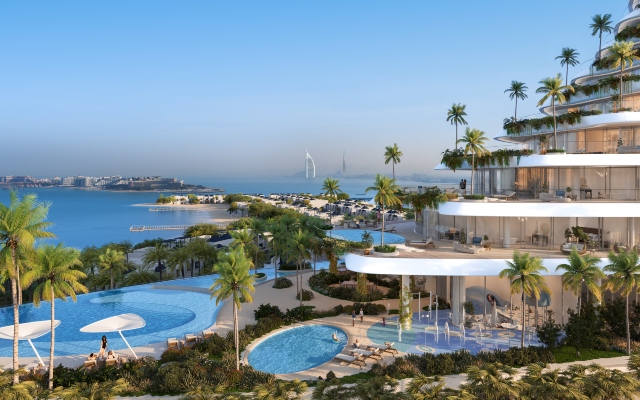
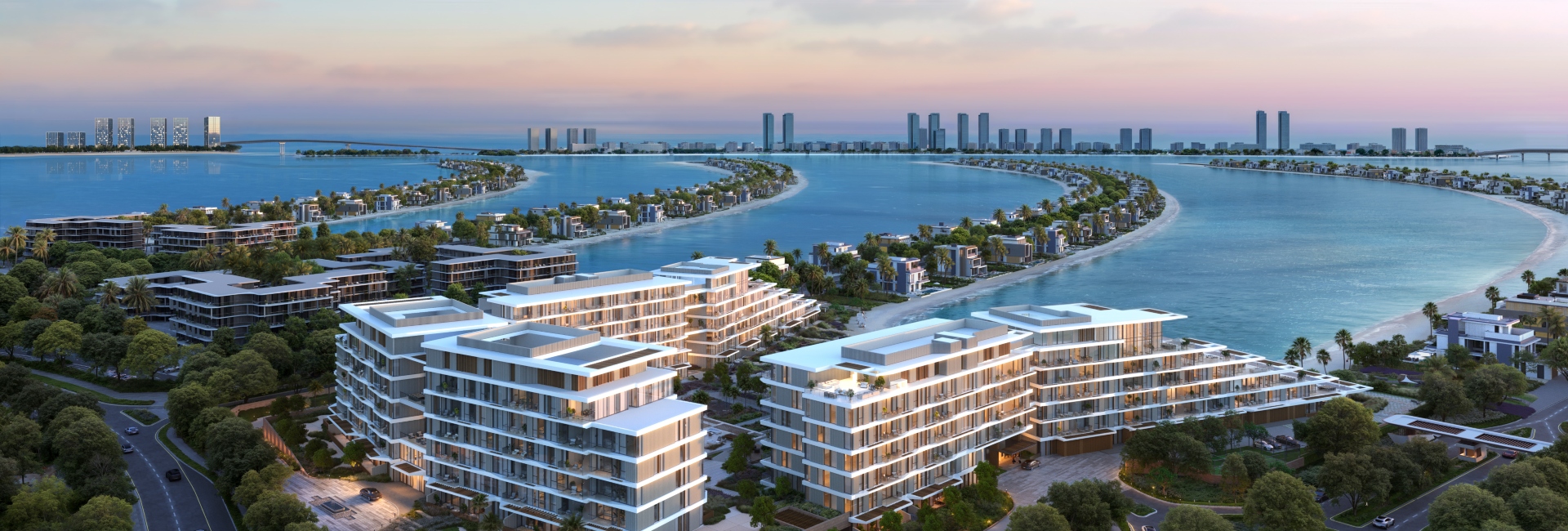
Island communities usually offer the strongest sense of exclusivity, separation and arrival. Their appeal comes from limited land, defined access points, waterfront orientation and destination identity. Palm Jebel Ali illustrates the island format at scale, with seven islands, 16 fronds, more than 90 kilometres of beachfront and three access points to the island. Buyers should assess privacy, access, internal movement and whether the property format supports long-term family use.
Marina Communities
Marina communities are more active and service-led. They can suit buyers who value boating access, waterfront dining, walkability and a more social waterfront setting. Privacy depends on building design, access control, marina traffic, visitor movement and how well residential areas are separated from public activity.
Beachfront Communities
Beachfront communities offer the most direct connection to sand, sea and open views. They are strong for leisure, family use and second-home ownership, especially when beach access is well managed. Buyers should compare beach quality, privacy from public areas, maintenance, access routes and how close homes sit to shared leisure spaces.
Canal Communities
Canal communities can offer a calmer water-facing setting within a more urban context. They may provide walkable edges, views and proximity to city amenities without the same level of beach activity. Buyers should compare canal width, promenade quality, building density, privacy, traffic movement and how meaningful the water view is from the home.
How Does Dubai’s Waterfront Offer Compare with Other Global Luxury Markets on Space, Services and Relative Ownership Value?
Space
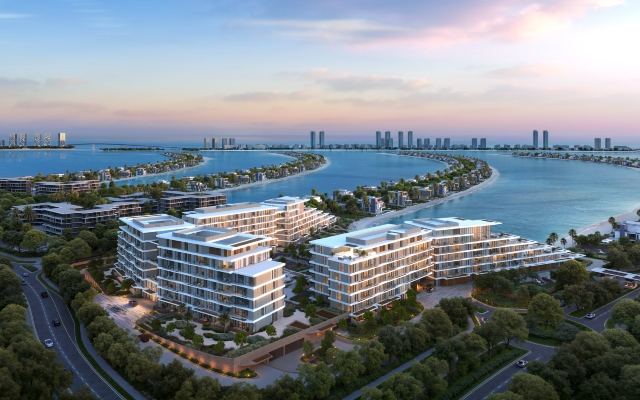
Many established luxury markets face constraints around land, planning and ageing stock. Knight Frank notes that markets such as New York, London, Los Angeles and Sydney face shortages of prime, move-in-ready housing, with buyers increasingly unwilling to take on renovation risk. Dubai’s advantage is the ability to create newer waterfront communities at master-plan scale, where homes, infrastructure, amenities, open space and access can be planned together.
Services
Dubai’s waterfront communities can also compete through service quality. Globally, the rise of turnkey and managed residences reflects buyer demand for homes that reduce ownership friction and are easier to use across multiple locations. For Dubai buyers, service value can come through security, concierge support, maintenance, hospitality access, resident amenities and professional community management.
How Do Ownership, Residency and Tax Considerations Influence Internationally Mobile Buyers Comparing Dubai with Other Luxury Destinations?
Ownership Clarity
Dubai’s ownership process can give buyers a clearer route to purchase than markets where acquisition is slowed by aged housing stock, complex local rules or less transparent registration steps. For completed property, Dubai Land Department’s Property Sale Registration service allows individuals to register a sale transaction between buyer and seller, or their authorised representatives. For off-plan property, Dubai Land Department’s initial sale registration service allows developers to register units sold off-plan in the provisional register.
Residency Options
Dubai Land Department allows real estate investors who own property with a purchase value of AED 2 million or more at the time of purchase to apply for a 10-year renewable Golden Visa. For global buyers comparing Dubai with other luxury destinations, this can make property ownership part of a wider plan for family mobility, extended stays and future relocation.
Taxes
Tax considerations influence how Dubai is compared with other luxury markets, especially for buyers purchasing personally. The UAE does not levy income tax on individuals. The Federal Tax Authority states that income earned by an individual from investment in UAE property in their personal capacity will generally not be subject to UAE Corporate Tax.
For private buyers, this can make Dubai easier to evaluate as part of an international property portfolio. It should still be handled carefully: buyers using companies, family-office structures or cross-border ownership arrangements need qualified tax advice because the treatment can change depending on how the property is owned and used.
A Waterfront Decision with Long-Term Purpose
Dubai’s waterfront communities sit at the intersection of several global luxury trends: mobility, privacy, scarcity, managed ease, service quality and lifestyle-led ownership. For global buyers, the strongest waterfront address is not simply the one with the best view. It is the one that can support family use, arrival, security, outdoor living, service expectations and long-term relevance.
Buyers can review Nakheel’s waterfront communities to compare island, beachfront, marina and coastal settings, then identify the home format and master plan that best support privacy, family use and long-term ownership in Dubai.