800 NAKHEEL
How Coastal Homes in Dubai Withstand Salt, Humidity and Sun
For a coastal home, durability is a critical factor in long-term asset performance and value preservation . Salt-laden air can accelerate corrosion, humidity can increase the risk of moisture-related deterioration , and intense solar exposure places repeated stress on façades, glazing, roofs, sealants and external finishes. These factors make material specification and maintenance essential considerations when evaluating waterfront homes in Dubai.
Dubai’s Green Building System uses an outdoor dry-bulb temperature of 46°C and wet-bulb temperature of 29°C for air-conditioning design calculations, highlighting the demanding environmental conditions that building envelopes and cooling systems must withstand throughout the year. . The same guidance specifies an indoor design condition of 24°C and relative humidity of 50% ±5%.
Key Takeaways
- How Are Coastal Homes in Dubai Designed to Withstand Salt Air, Humidity and Intense Sunlight?
- Which Façade, Roofing, Glazing, Sealant and Metal-Finishing Choices Matter Most?
- What Warning Signs Should Waterfront Property Buyers Inspect?
- How Do Ventilation, Air-Conditioning and Dehumidification Protect Coastal Homes?
- What Maintenance Schedules and Ownership Costs Should Buyers Expect Near the Sea?
- How Maintenance Affects Long-Term Ownership Value
- Coastal Durability Should Be Assessed Before Purchase
How Are Coastal Homes in Dubai Designed to Withstand Salt Air, Humidity and Intense Sunlight?
Coastal design must address three environmental challenges simultaneously: solar heat gain, airborne salt exposure and elevated moisture levels. Effective protection begins with the complete envelope rather than an individual finish. Roof waterproofing, façade joints, balcony drainage, glazing seals, shading and coated metal components need to work together to prevent water penetration and limit deterioration.
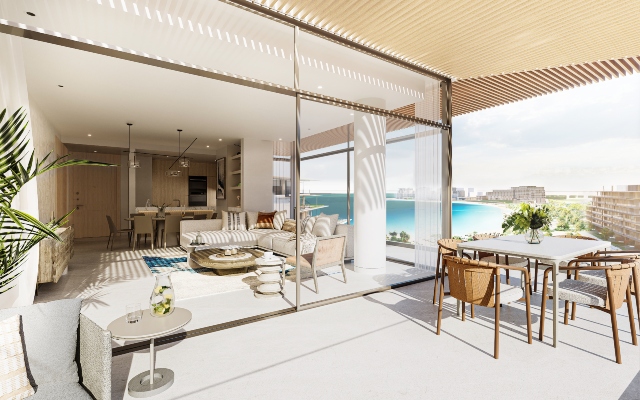
Solar control is equally important. External shading, appropriate glazing and insulated envelope elements help reduce cooling loads and improve indoor comfort , while well-detailed interfaces around windows, terraces and roofs limit potential moisture ingress and improve building resilience.
Which Façade, Roofing, Glazing, Sealant and Metal-Finishing Choices Matter Most?
Salt and persistent moisture make durable, corrosion-resistant materials particularly important for coastal homes in Dubai. . Coastal environments expose metal roofing and building components to salt, humidity and UV radiation, which can accelerate coating degradation and corrosion. This reinforces the importance of specialised primers and high-performance coating systems that protect surfaces from moisture, oxygen, salt spray and prolonged UV exposure.
For buyers of beachfront villas, useful specification checks include the coating system used on aluminium or steel components, its suitability for marine exposure, roof and façade waterproofing details, glazing performance and whether sealants are specifically designed to perform with adjoining materials in coastal conditions.
Glazing requires particular attention as well. Prolonged exposure of insulating-glass edge seals to water or water vapour can contribute to seal failure, while effective drainage pathways and material compatibility help maintain long-term glazing performance.
What Warning Signs Should Waterfront Property Buyers Inspect?
Before purchasing or taking handover of waterfront properties in Dubai, buyers should inspect areas where water, salt and heat are most likely to reveal weaknesses in construction quality or maintenance standards. .
Powdering or fading coatings, blistering paint, staining around metal fixings, visible oxidation, deteriorated sealant, cracked joints and persistent moisture marks should be investigated carefully as potential indicators of environmental wear or water ingress. Around glazing, buyers should also look for condensation or fogging between panes, damaged gaskets and blocked drainage paths. On balconies and roofs, ponding water, damaged waterproofing interfaces or staining below drainage points may indicate drainage or moisture-management problems.
Indoor warning signs can be equally important. Persistent condensation, musty areas or unusually high humidity may indicate building-envelope deficiencies or inadequate moisture management rather than isolated cosmetic concerns.
How Do Ventilation, Air-Conditioning and Dehumidification Protect Coastal Homes?
Air-conditioning manages temperature, but coastal homes also effective humidity regulation to support both occupant comfort and building longevity. It is important to keep indoor relative humidity below 60% in hot and humid climates to reduce the risks of surface condensation and mould growth.
This makes HVAC design, fresh-air treatment and dehumidification important components of coastal property performance and long-term asset protection.. Excess moisture can affect interior finishes and building assemblies, while uncontrolled infiltration introduces additional humid outdoor air.
What Maintenance Schedules and Ownership Costs Should Buyers Expect Near the Sea?
There is no universal maintenance cost or interval for every coastal property because exposure, materials, design and manufacturer warranties differ. A more effective due-diligence approach is to review the property's documented operations and maintenance programme before purchase. .
Coastal exposure can require more frequent cleaning. It is recommended to clean some coated systems every three months for properties approximately 50–500 metres from the coastline, depending on the coating series and climatic conditions. Properties less than 50 metres from the coastline require project-specific technical advice under the same guidance.
Planning for Recurring Coastal Maintenance
Owners should consequently budget for:
- Periodic façade and metalwork cleaning
- Roof and waterproofing inspections
- Sealant checks
- Balcony and drainage maintenance
- HVAC servicing and eventual coating or component renewal
How Maintenance Affects Long-Term Ownership Value
For a Strategic Investor, this matters because recurring maintenance and eventual replacement directly influence lifecycle costs and overall investment performance. For a Global Legacy Builder, disciplined maintenance helps protect the physical quality and presentation and long-term market appeal of a waterfront asset.
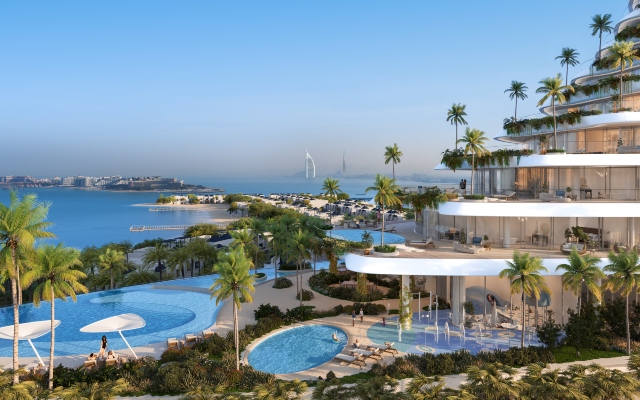
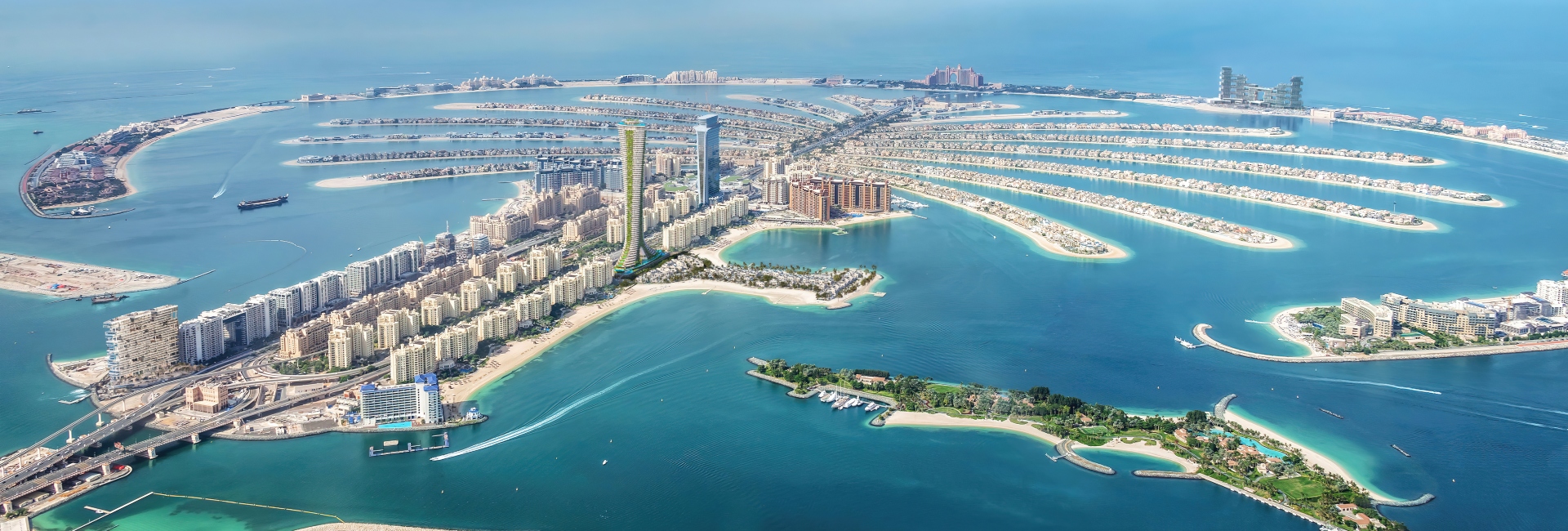
Dubai’s waterfront pipeline makes this relevant. Nakheel reports that Palm Jebel Ali spans seven islands and 16 fronds, with more than 90 kilometres of beachfront. As Dubai expands its coastal residential stock, understanding the technical requirements behind beachfront architecture becomes an important part of informed property due diligence.
Coastal Durability Should Be Assessed Before Purchase
The value of coastal architecture lies in proximity to the water and in how effectively the property responds to that environment over decades. Buyers should examine material specifications, corrosion protection, glazing and sealants, waterproofing, humidity control and documented maintenance obligations alongside layout, views and finishes.
For buyers considering beachfront villas and other premium coastal homes, these details provide a clearer indication of future maintenance requirements and help distinguish visual quality from long-term building performance.
Explore Nakheel’s waterfront communities to discover how contemporary coastal living is taking shape across Dubai.