800 NAKHEEL
How Community Clubs Build Social Connections in Master-Planned Communities
A well-planned community club provides residents with a shared environment for everyday interaction and meaningful social connection . In a master-planned community, this matters a connected residential experience depends on more than the availability of amenities. It is shaped by how frequently residents use shared spaces, how easily they can access them, and whether the facilities accommodate different age groups, lifestyles, routines and expectations of privacy.
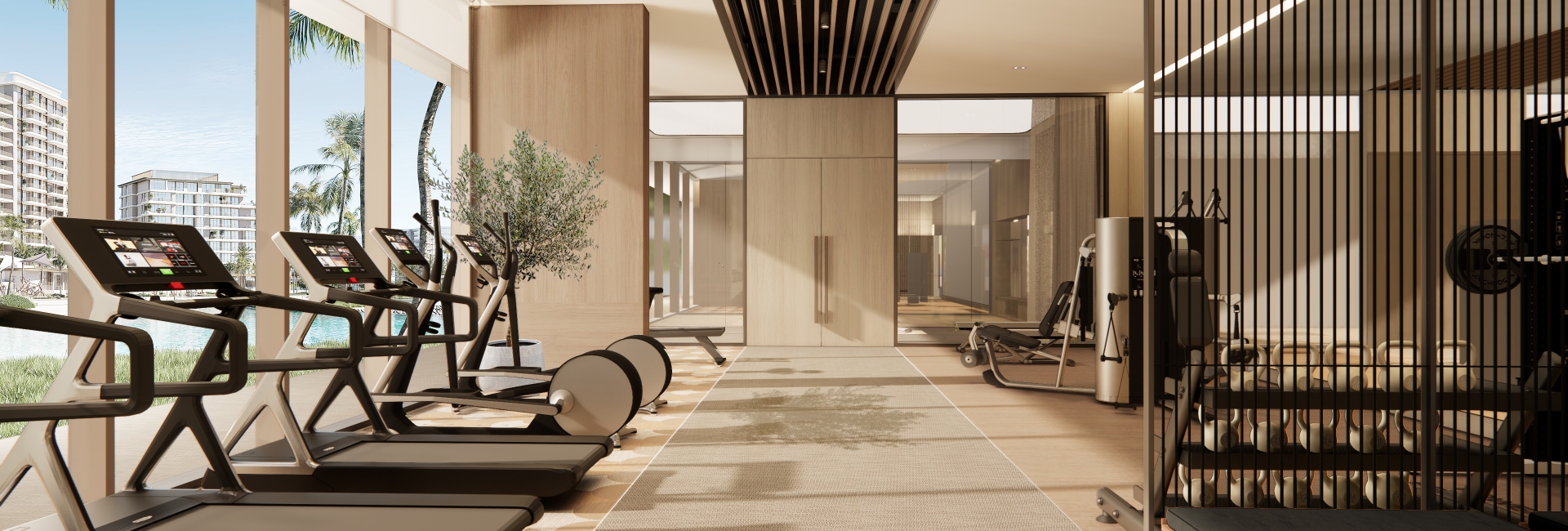
Community clubs are most effective when positioned along residents’ everyday routes, such as walking paths, pools, parks, retail areas and children’s spaces. This allows the club to become a natural part of daily community life rather than an isolated destination. In some communities, the club may centre on dining, fitness, wellness and pool facilities. In others, social connection is supported through a wider network of pools, sports courts, gyms, play areas, cycling routes and jogging trails spread across the neighbourhood.
Key Takeaways
- How Do Community Clubs Help Residents Form Social Connections in Master-Planned Neighbourhoods?
- Which Community Club Facilities and Programmes Are Most Effective for Families, Professionals, Newcomers and Older Residents?
- How Can a Residents’ Club Encourage Interaction While Maintaining Privacy, Security and Resident-Only Access?
- What Operating Hours, Event Schedules and Acoustic Measures Reduce Disturbance to Nearby Homes?
- What Should Homebuyers Assess About Club Access, Capacity, Programming and Service Charges Before Choosing a Community?
- Turning Resident Facilities into Social Value
How Do Community Clubs Help Residents Form Social Connections in Master-Planned Neighbourhoods?
Community clubs help residents build social connections by encouraging them to return to the same shared spaces regularly. A gym, pool, café, children’s play area or multi-purpose room can become part of a resident’s weekly routine, allowing conversations and connections to develop more naturally than through formal introductions or occasional events..
For families, the club can create opportunities for parents to connect during swimming lessons, children’s activities, weekend dining or outdoor play. For professionals, it can offer low-pressure social settings before or after work, especially when fitness, café seating or co-working-style areas are included. For newcomers, offer a welcoming focal point that makes the neighbourhood easier to navigate and its community life more accessible rather than leaving interaction to corridors, car parks or private homes.
The location of the club directly influences its ability to encourage social interaction. A clubhouse placed near walking routes, parks, pools or retail can generate more frequent encounters because residents naturally pass through or alongside it during their daily routines. If it is isolated, difficult to reach on foot or mainly used for occasional events, its role becomes more limited.
Which Community Club Facilities and Programmes Are Most Effective for Families, Professionals, Newcomers and Older Residents?
For families, the most valuable community club facilities may include children’s pools, shaded play areas, family dining, activity rooms, lawns, sports areas and safe pedestrian access from nearby homes. Programmes such as swimming lessons, children’s workshops, weekend events and seasonal activities allow families to meet through shared routines and repeated interactions between both parents and children.
For professionals, convenient access outside standard working hours is often a priority. Gyms, swimming pools, cafés, sports courts, co-working corners and early-morning or evening fitness classes can integrate more easily into residents’ schedules before work, after work or during weekends. Short-format activities may be more practical for working residents than events that require a full evening commitment.
For newcomers, welcome sessions, resident orientation events, walking groups, sports leagues and interest-based clubs can provide accessible ways to become familiar with the neighbourhood and meet other residents. These programmes work best when they are repeated regularly, so residents who miss one event have further opportunities to participate.
For older residents, value comes from comfort, accessibility and quieter programming. Shaded seating, step-free routes, lifts, clear signage, wellness classes, book clubs, cafés and calm indoor lounges can support social contact without requiring loud or high-energy activities.
How Can a Residents’ Club Encourage Interaction While Maintaining Privacy, Security and Resident-Only Access?
A residents’ club can encourage interaction without compromising privacy clearly organising access arrangements, spatial zones and activity levels.
Access should be controlled through resident cards, app-based entry, guest registration, reception management or booking systems. Residents should have clear information about who is permitted to use the club, how guest access is managed, which facilities require advance booking, and whether membership covers the entire community or only certain buildings, phases or clusters.
The layout should clearly separate active areas such as pools, children’s rooms, sports courts and event halls from quieter spaces such as reading lounges, wellness rooms and calm seating areas. This helps residents with different routines and preferences enjoy the club simultaneously without louder activities affecting quieter environments.Privacy depends on how sensitively the clubhouse and its outdoor amenities are positioned in relation to surrounding homes. Pool decks, terraces, outdoor seating and event lawns should be positioned to avoid direct views into balconies and bedroom windows. Landscaping, screens, level changes, setbacks, shaded structures and controlled lighting can reduce overlooking while keeping the club open and usable.
Guest movement should also be carefully managed across the wider community. Visitor parking, drop-off points, delivery routes and event access should be planned to prevent unnecessary traffic or disruption near residential properties. A club feels more secure when residents can enjoy shared facilities withoutprivate residential areas being exposed to unmanaged visitor movement.
What Operating Hours, Event Schedules and Acoustic Measures Reduce Disturbance to Nearby Homes?
Operating rules should take account of each facility’s purpose, expected activity level and proximity to surrounding homes. . Indoor gyms and wellness rooms can often operate for extended hours because internal noise can be managed more effectively. . Outdoor pools, terraces, sports courts, BBQ areas and event lawns typically require more carefully defined operating times, particularly when they are close to villas or low-rise apartments.
Event schedules should distinguish between routine resident programming and larger or louder gatherings. Fitness classes, children’s workshops and small community sessions can run moreregularly when their impact on nearby homes remains limited. . Larger events should have clearer rules on frequency, capacity, music, lighting, parking and end times.
Acoustic planning should be addressed through both clubhouse design and day-to-day operations.. Indoor areas need sound-absorbing ceilings, wall finishes, door seals and controlled speaker placement. Outdoor areas need landscape buffers, covered seating, directional speakers, distance from homes and clear rules on amplified sound.
Sports areas require special attention repetitive impact noise may continue for extended periods. Courts should be placed away from bedrooms and private gardens where possible, with fencing, surface materials and usage hours planned to reduce disturbance. Service areas, loading zones and waste collection points should also be positioned so early-morning or late-evening operations do not affect nearby homes.
What Should Homebuyers Assess About Club Access, Capacity, Programming and Service Charges Before Choosing a Community?
Before choosing a home, buyers should understand how the residents’ club works in practice. Access rules are the first point to review: whether the club is open to all residents, limited to specific buildings or clusters, managed through membership, or subject to separate fees.
Buyers should also compare the size of the gym, pool, lounges, changing rooms, parking and booking systems with the total number of residences that these facilities are expected to serve. A clubhouse may appear attractive in a development plan, but insufficient capacity could limit residents’ enjoyment during peak periods, including evenings, weekends and school holidays.
Programming should be consistent and varied enough to support an active community experience . Fitness classes, children’s sessions, wellness activities, sports groups and seasonal events can deliver greater resident value when they follow a reliable schedule instead of being offered only occasionally.
Service charges should be reviewed with equal care. Buyers should confirm whether staffing, cleaning, security, pool care, landscaping, maintenance and equipment replacement are included, and whether guest access, private classes, court bookings or events carry separate charges.
Turning Resident Facilities into Social Value
A residents’ club should make community life easier to join without making shared spaces feel crowded, noisy or exposed. Its value depends on how it works day to day: where it sits within the neighbourhood, who can access it, how facilities are managed and whether programmesrespond to the needs of different resident groups.
Before choosing a home, buyers should look at how the club fits into daily routines, from fitness and family activities to wellness, dining and resident events. Explore Nakheel communities where shared spaces are planned to support connection, privacy and long-term everyday use.