800 NAKHEEL
How Land Ownership and Master Planning Influence Long-Term Property Value in Dubai
In Dubai real estate, long-term value is shaped by the legal strength of ownership, the scarcity of land, the discipline of the master plan, and the quality of surrounding infrastructure, all of which influence how an asset performs over time. This is especially important for investors comparing apartments, villas, land for sale in Dubai, and larger development plots, where the difference between a well-positioned asset and a speculative purchase can become clear across market cycles particularly when assessed through a long-term capital allocation lens.Key Takeaways
Why Land Ownership Matters in a Maturing Market
Land ownership offers investors more than physical control; it underpins legal security, resale appeal, financing confidence, inheritance planning, and future flexibility. According to the Dubai Government Data Loss Prevention, under Dubai’s real estate framework, non-UAE nationals may acquire freehold ownership in designated areas, as well as usufruct or leasehold rights for up to 99 years, subject to the relevant regulations.
This is why freehold property in Dubai carries a distinct investment positioning compared with leasehold exposure. A buyer considering freehold land in Dubai or a freehold plot for sale in Dubai is not only assessing the price of the plot. The more relevant consideration is whether the land sits within a regulated, serviced, and demand-generating environment that can support long-term value.
For investors, ownership quality should therefore be evaluated alongside alongside zoning, permitted use, plot ratio, infrastructure delivery, service access, and surrounding supply. A lower entry price may appear attractive, but weaker planning alignment or limited end-user demand may constrain liquidity over time.
How Master Planning Converts Land into Long-Term Value
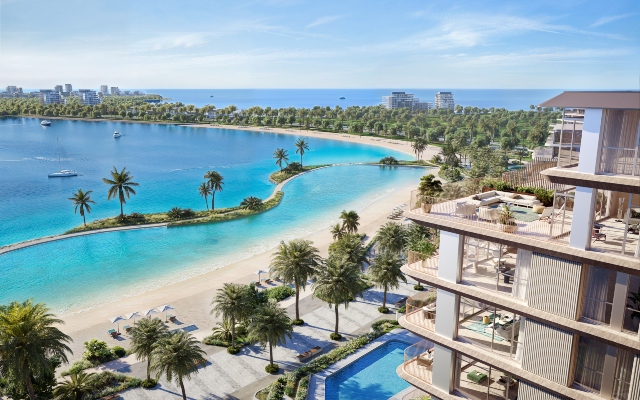
Land becomes more valuable when it is part of a coherent master plan. Roads, utilities, waterfront access, retail, hospitality, schools, green space, mobility routes, and public realm all influence how residents engage with a destination and how investors assess its long-term, pricing potential.
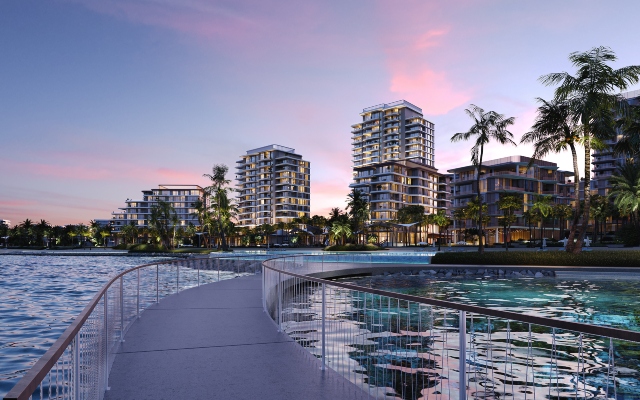
A master-planned community can protect property value in Dubai by reducing fragmentation. Instead of relying on a single building or isolated project, the asset benefits from a broader ecosystem. This matters because resale demand often depends on liveability, convenience, and confidence in the surrounding environment, not only on unit specifications.
Master planning also affects buyer psychology. Premium buyers tend to favour places that feel complete, legible and difficult to replicate. When a destination has clear access, managed amenities, controlled supply, and a strong lifestyle proposition, it can attract both end-users and long-horizon capital.
Why Scarcity Still Influences Property Price in Dubai
Scarcity is most powerful when it is paired with usability. Limited land alone does not guarantee appreciation; it must also support practical living, rental demand, and resale depth. In Dubai, this is particularly relevant for waterfront land, villa plots, and low-density communities, where direct substitutes are harder to create.
Market data supports this quality gap. ValuStrat reported that Dubai residential capital values rose 19.8% annually in December 2025, with villas increasing 25.1% and apartments rising 14.2%. The stronger villa performance reflects the premium placed on land-backed, lower-density assets in supply-constrained environments with sustained demand.
This does not mean every villa or plot will outperform. It means land-sensitive assets tend to receive stronger pricing support and buyer attention when they combine scarcity with infrastructure, privacy, accessibility, and community maturity.
What Investors Should Assess Before Buying Land or Freehold Property
Investors assessing land for sale in Dubai should look beyond the headline price. The more important indicators include title structure, freehold status, development permissions, infrastructure readiness, surrounding absorption, comparable transactions, and the strength of the master developer, all of which define investment-grade positioning.
Rental performance also matters, even for buyers focused on capital appreciation. Cavendish Maxwell reported H1 2025 gross rental yields of 7.2% for apartments and 5.0% for villas and townhouses in Dubai. This shows that income performance varies by asset type, price point, and tenant pool, so land-backed assets should be evaluated through both capital growth and holding-cost discipline.
A strong freehold property Dubai investment case is therefore built on three connected factors: secure ownership, defensible scarcity, and a master plan that supports real resident demand.
Ownership Quality and Planning Discipline Shape Resilient Value
The strongest long-term property decisions in Dubai are rarely based on price alone. They are based on the legal strength of ownership, the scarcity of the land, the maturity of the surrounding master plan, and the ability of the destination to remain relevant across market cycles.
For buyers and investors assessing property value in Dubai opportunities, land and master planning should be treated as core investment fundamentals, not secondary details. In communities shaped by clear planning, infrastructure, lifestyle depth, and long-term demand, real estate can hold stronger relevance beyond short-term market movement.
Explore Nakheel communities designed around long-term value, waterfront living, and master-planned destination growth.