800 NAKHEEL
How Landscape Design Supports Cooler and More Liveable Waterfront Communities in Dubai
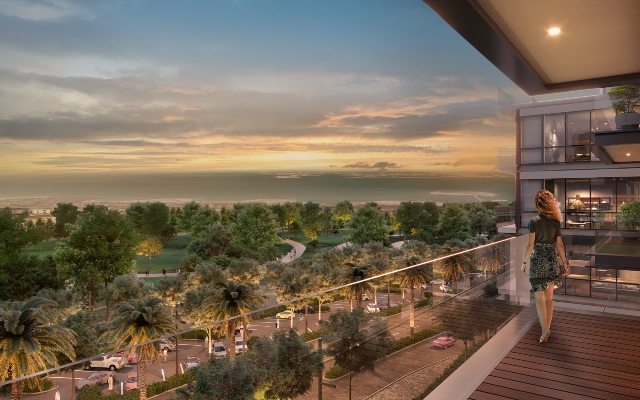
In Dubai waterfront communities, landscape design serves a clear practical purpose: it shapes how comfortably residents can use outdoor spaces, beyond their visual appeal.. Shade, planting, surface materials, wind protection and connected pedestrian routes all affect how residents move between homes, parks, promenades, pools and the water.
This matters more as Dubai continues to plan for a city where outdoor space plays a larger role in daily life. Dubai 2040 aims to double green and recreational spaces and increase public beach length by 400%. For waterfront communities, this reinforces the importance of climate-responsive landscape design that reduces heat, enhances walkability and makes parks, beaches and public spaces more comfortable across the seasons.
Key Takeaways
- Which Climate-Responsive Landscape Techniques Are Most Effective for Reducing Heat in Dubai Waterfront Communities?
- How Do Rooftop Gardens and Pocket Parks Compare for Adding Shade, Greenery and Outdoor Comfort to High-Rise Waterfront Areas?
- Which Tree and Planting Characteristics Are Most Suitable for Shade, Coastal Resilience and Lower Irrigation Demand?
- How Do Natural Tree Canopy and Mechanical Outdoor-Cooling Systems Compare for Comfort, Maintenance and Energy Use?
- How Do Paving, Decking, Grass and Permeable Surfaces Differ in Heat Retention, Comfort and Maintenance?
- How Can Solar-Shading Structures and Tree Canopy Work Together to Reduce Heat and Manage Wind in Public Spaces?
- Designing Waterfront Communities for Daily Outdoor Comfort
Which Climate-Responsive Landscape Techniques Are Most Effective for Reducing Heat in Dubai Waterfront Communities?
The most effective techniques address heat in the places residents use most frequently, including walking routes, play areas, seating zones, entrances, parking areas and waterfront paths.
Tree Canopy and Connected Shade Routes
Tree canopy delivers greater functional value when it is planned along the routes residents use every day, not placed only as decorative planting. Trees and vegetation lower surface and air temperatures by providing shade and cooling through evapotranspiration. In waterfront communities, this matters along the paths between homes, parks, pools, beach access and everyday amenities, where heat exposure can decide whether residents walk or drive.
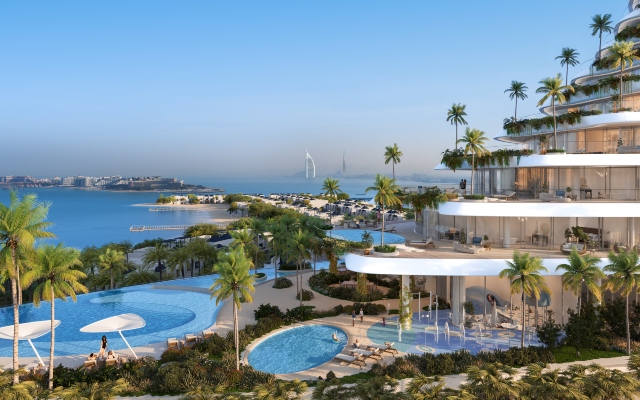
A stronger landscape plan connects these shaded areas into a continuous comfort network. Palm Jebel Ali’s fronds are planned with wide walkable streets and pocket parks that allow pedestrians and cyclists to access the beach easily. For buyers, this is the difference between greenery that improves the view and landscape design that makes outdoor movement more comfortable, practical and appealing throughout the community.
Landscape Buffers Around Heat-Exposed Areas
Planting can help soften heat around façades, parking areas, service zones and exposed pedestrian edges. Landscape buffers are useful where hard surfaces, building walls or open plazas would otherwise increase reflected heat and glare. In waterfront communities, these buffers also help make transitions between buildings, roads and open spaces feel calmer and more comfortable.
Cooler Ground Materials
Ground surfaces also influence outdoor comfort. Paving, decking, grass and permeable materials absorb, reflect and release heat differently, so buyers should assess surface choice together with shade, drainage and maintenance.
Wind and Glare Management
Waterfront settings can face strong sun reflection and changing wind conditions. Landscape design can improve comfort by using trees, planting, shaded structures and building-edge treatments to reduce glare, soften wind and protect key pedestrian areas. The aim is not to block the waterfront experience, but to make open spaces more comfortable for daily use.
How Do Rooftop Gardens and Pocket Parks Compare for Adding Shade, Greenery and Outdoor Comfort to High-Rise Waterfront Areas?
Rooftop gardens can add greenery and shaded seating where ground-level space is limited. They are especially useful in high-rise waterfront areas with podiums, terraces or shared amenity decks. Green roofs provide shade, remove heat from the air and reduce the temperature of roof surfaces and surrounding air.
Their limitation is complexity. Rooftop gardens need structural capacity, wind protection, drainage, irrigation and regular maintenance. They can improve resident amenities, but they cannot replace ground-level shade where daily walking and family use happen.
Pocket parks work closer to everyday movement. They can sit between buildings, near entrances, beside promenades or along pedestrian routes. Their value is immediate: short breaks, shaded seating, children’s play, informal exercise and a cooler transition between the home and the wider community.
For high-rise waterfront communities, the strongest approach combines both landscape features . Rooftop gardens improve resident amenity space, while pocket parks make the public realm more comfortable and useful at street level.
Which Tree and Planting Characteristics Are Most Suitable for Shade, Coastal Resilience and Lower Irrigation Demand?
The planting choices for Dubai waterfront communities should deliver effective shade, withstand high temperatures, respond to coastal conditions and remain practical to maintain over the long term.
Shade and Placement
Trees should have a canopy form that shades walkways, seating, play areas and building edges. Placement is as important as species. A tree that shades a route used every day offers more value than ornamental planting placed away from pedestrian movement.
Heat and Coastal Resilience
Planting in waterfront communities should be selected for heat tolerance, wind exposure and salinity where relevant. Dubai Municipality highlights indigenous species such as Ghaf, Sidr and Samar as part of Dubai’s urban greening approach. Ghaf is recognised for its drought tolerance and ability to remain green in harsh desert environments.
Lower Irrigation Demand
Lower irrigation demand depends on planting strategy and water management. Dubai Municipality uses advanced irrigation systems powered entirely by recycled water as part of its urban greening approach.
How Do Natural Tree Canopy and Mechanical Outdoor-Cooling Systems Compare for Comfort, Maintenance and Energy Use?
Natural canopy and mechanical cooling should not be treated as substitutes. They solve different comfort problems.
Tree canopy is slower to mature, but it gives long-term shade, visual comfort and environmental value. It works best across streets, promenades, parks, playgrounds and walking routes because it improves the wider outdoor setting without relying on powered systems.
Mechanical cooling, such as fans or misting, can provide faster relief in selected areas. It is most useful in high-use spaces where people sit for longer periods, such as dining terraces, covered play zones, waiting areas or event spaces. Its drawbacks are ongoing energy use, water use, maintenance and equipment replacement.
The stronger approach is layered. Trees should create the base comfort environment, while mechanical cooling should be used selectively where additional comfort is needed.
How Do Paving, Decking, Grass and Permeable Surfaces Differ in Heat Retention, Comfort and Maintenance?
Paving
Paving is durable and suitable for promenades, plazas and high-traffic areas, but its comfort depends on how much heat the surface absorbs during the day. Darker paving can become hotter under direct sun, while lighter or shaded surfaces can help reduce heat underfoot. In waterfront communities, paving should be selected with shade, slip resistance, durability and maintenance in mind.
Decking
Decking can enhance areas around pools, terraces and waterfront edges. Buyers should assess heat underfoot, slip resistance, durability near water and replacement needs, especially in areas exposed to sun, humidity and frequent use.
Grass
Grass can make parks and play areas feel softer and more comfortable. Its trade-off is irrigation and maintenance, so it should be used where it supports real activity, such as play, gathering or relaxation, not as decorative coverage alone.
Permeable Surfaces
Permeable surfaces can support drainage and reduce runoff. Permeable pavements allow stormwater to soak into pavement and soil, reducing runoff and filtering pollutants. In waterfront communities, they are most useful where drainage, surface stability and outdoor comfort need to work together.
How Can Solar-Shading Structures and Tree Canopy Work Together to Reduce Heat and Manage Wind in Public Spaces?
Solar-shading structures provide immediate protection in fixed-use areas such as seating, playgrounds, waiting points and promenade sections. Tree canopy adds natural cooling, filtered light, wind softening and long-term landscape maturity.
The combination is important in waterfront public spaces because residents are exposed to sun, reflected glare and coastal wind. Shade structures can protect specific gathering points, while trees can improve comfort along movement routes and make larger open areas feel calmer.
Designing Waterfront Communities for Daily Outdoor Comfort
Cooler waterfront communities depend on landscape choices that are usable, durable and easy to maintain. Buyers should assess shade continuity, tree maturity, surface materials, irrigation strategy, wind comfort, walking routes and the relationship between homes, parks and the water.
Explore Nakheel waterfront communities shaped around landscaped movement, outdoor comfort and coastal living, and compare the settings and home formats that best support family life, daily wellbeing and long-term liveability in Dubai.