800 NAKHEEL
Key Features Investors Seek in Dubai’s Future-Ready Communities
In Dubai, a future-ready community is no longer defined by newness alone. Investors increasingly look for places that can protect demand as supply expands: well-connected districts, mixed-use convenience, reliable services, digitally enabled operations, and visible residential Environmental, Social, and Governance (ESG) performance indicators that lower long-term running costs.Key Takeaways
What is a Future-Ready Residential Community in Dubai?
A future-ready community is a master-planned residential district designed to support long-term demand through connectivity, mixed-use convenience, sustainability performance, service maturity, and strong liveability fundamentals.The Core Pillars of Future-Ready Community Design
Connectivity: Access, Mobility Options, and Commute Reliability
Connectivity remains the first screening variable because it influences both occupier depth and secondary market resale liquidity. Communities with dependable road access, proximity to major business corridors, and credible public transport links tend to widen the buyer and tenant pool. That matters in a city expected to reach approximately 5.8 million residents by 2040, where time efficiency will increasingly shape location premiums.
Mixed-Use Convenience: Daily Needs Within a Short Walk/Drive
Future-ready districts also reduce daily friction. Investors favour communities where retail, dining, services, and leisure are integrated rather than deferred, because convenience supports occupancy, retention, and a stronger sense of community identity and destination appeal.
Wellness and Open Space: Shade, Greenery, and Active Infrastructure
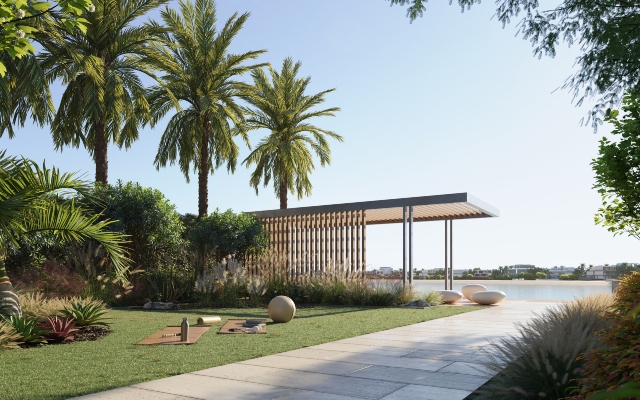
Wellness infrastructure has moved from optional to strategic. Shaded walkways, parks, cycling routes, sports facilities, and usable public realm improve everyday liveability and broaden appeal to families, professionals, and long-stay international residents. For investors, that usually translates into steadier end-user-led demand rather than purely speculative demand.
Why Micro-Climate Design Matters in Dubai Specifically
In Dubai, micro-climate design has direct commercial value. Shade, tree cover, orientation, and heat-conscious material choices determine whether outdoor space is genuinely usable for much of the year. Where the public realm remains comfortable, communities tend to support more
footfall, stronger retail activation, and better resident satisfaction and retention levels. That is one reason green initiatives and environmentally friendly infrastructure now sit closer to the centre of investment due diligence processes.
Housing Fundamentals That Preserve Demand
Flexible Layouts, Storage, and Work-From-Home Practicality
Future-ready homes are expected to work harder. Investors increasingly prefer layouts with adaptable rooms, efficient storage, and practical work-from-home capability because these features make units more relevant to modern household behaviour.
In a city still attracting entrepreneurs, executives, and mobile global talent, functional design often matters as much as headline interior specification standards.
Build Quality, Acoustic Comfort, and Maintenance Predictability
Build quality protects more than aesthetics. Better acoustics, durable materials, and predictable maintenance performance reduce tenant churn and limit the erosion of net returns through avoidable upkeep. This is especially relevant in Dubai, where service quality is quickly reflected in market reputation and lease renewal behaviour.
The “Liveability Premium” and Its Link to Rent Resilience
The liveability premium is the gap between homes that merely look attractive at launch and homes that continue to perform once occupied. Dubai Land Department’s 2024 report notes rental yields of roughly 6% to 8% across segments, but yields hold up best where communities combine usability, quality, and low-friction operations rather than relying on marketing alone. In that sense, liveability is not soft branding; it is part of rent resilience.
Infrastructure and Services Investors Track
Schools, Healthcare Access, and Community Retail Maturity
Serious investors track service maturity because it influences how long residents stay. The Dubai 2040 Urban Master Plan’s 25% increase in land for education and health facilities is precisely because family-oriented demand is more stable when schools, clinics, and daily-need retail are accessible. Communities that reach this maturity earlier tend to support faster absorption and stronger resale confidence.
Digital Readiness and Smart-Service Integration
Digital readiness has become a practical value signal. Dubai Land Department’s Dubai REST platform allows owners and market participants to access property information, rental return,
and service-charge data through a smart real-estate services interface, while Dubai Land Department (DLD)’s wider ecosystem increasingly uses AI, blockchain, and digital services to reduce transaction friction and improve transparency.
Sustainability as an Investment Feature
Energy and Water Efficiency as Cost-Control for Owners and Tenants
Sustainability is increasingly an investment feature because it affects net occupancy (rental performance) economics. Energy-efficient systems, water-saving fixtures, and better-performing envelopes can reduce running costs for both owners and occupiers, which matters more as residents become cost-aware and holding periods lengthen. For that reason, residential ESG and broader ESG sustainability considerations are moving from corporate reporting frameworks into everyday asset selection criteria.
Shading, Materials, and Building Performance: What Holds Up Long-Term
Dubai’s Al Sa’fat framework was created to improve building performance across energy, water, materials, public health, and planning quality. Academic assessment of Al Sa’fat found potential energy savings ranging from 22% for hotel buildings to 63% for single-family villas, underlining why better-performing buildings can have long-term operational advantages.
How to Evaluate “Future-Ready” Claims
Investors should test future-ready claims against five practical questions:
- First, does the community reduce travel friction through genuine, demonstrable connectivity improvements?
- Second, are schools, healthcare, retail, and leisure already operating or credibly phased?
- Third, do homes show functional liveability rather than purely visual appeal?
- Fourth, do sustainability features lower long-term cost and maintenance risk?
- Fifth, does digital infrastructure improve transparency, service access, and resident convenience?
What Future-Ready Signals Mean for Pricing Power
In Dubai, future-ready signals matter because they shape who will want to live in a community, how long they are likely to stay, and how resilient pricing may remain as supply evolves. Connectivity, service maturity, build quality, smart operations, and credible sustainability measures are no longer peripheral features; together, they form the operating logic of long-term residential value.
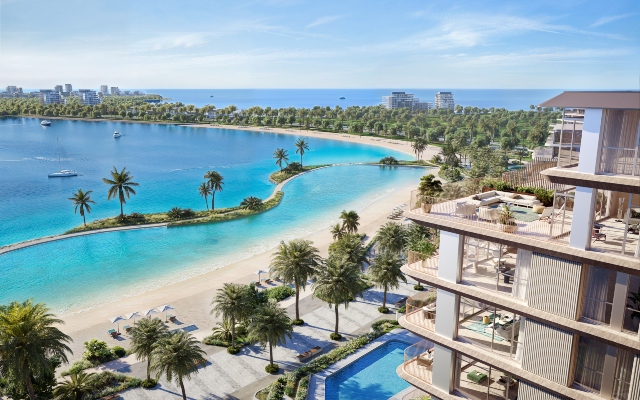
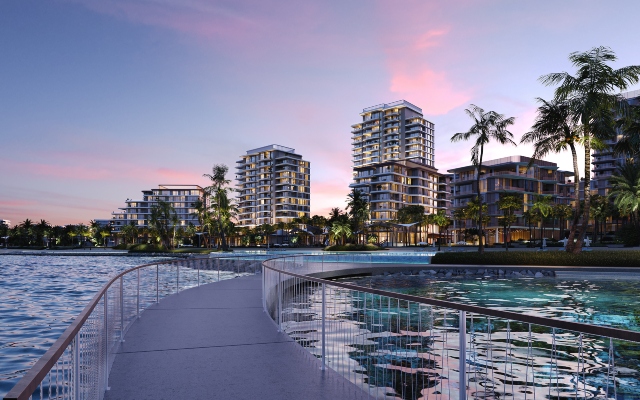
Explore Nakheel’s future-ready master-planned communities in Dubai to compare locations and assess how long-term planning, waterfront positioning, and future-focused infrastructure come together in practice.