800 NAKHEEL
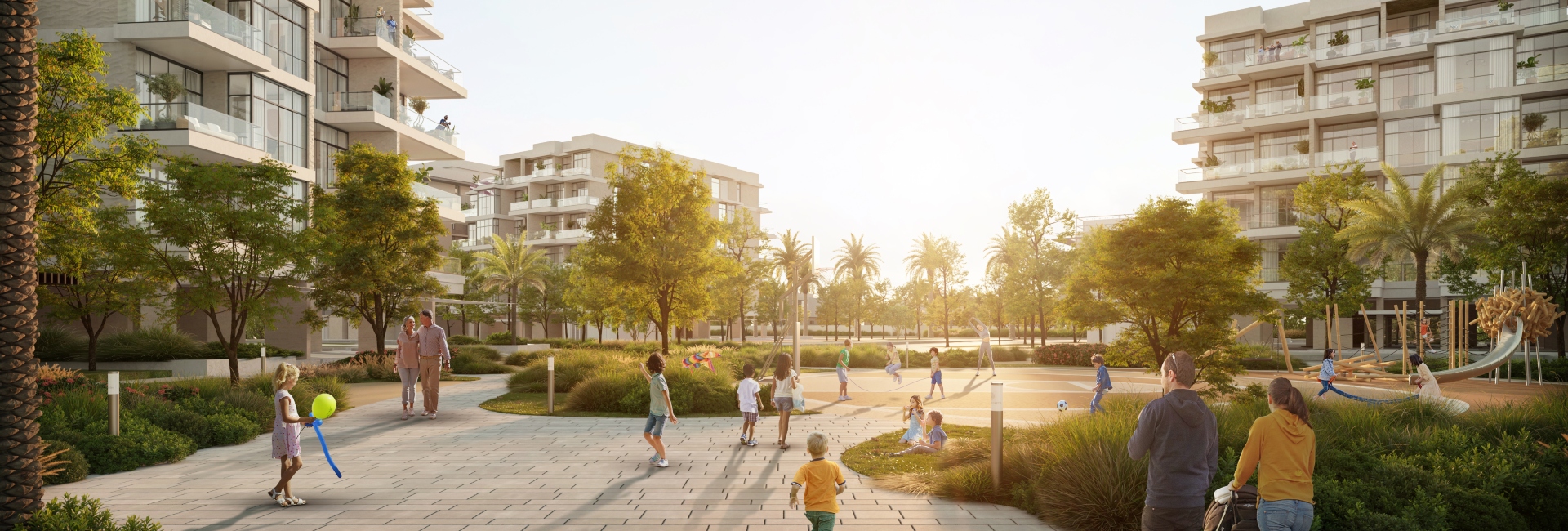
Why ESG-Led Community Development is Increasing Buyer Demand in Dubai
Dubai’s property market is entering a more selective phase, where buyers are looking beyond location, architecture, and short-term price movement. As the city matures, demand is shifting towards communities that support healthier living, efficient infrastructure, mobility, and long-term resilience.
This shift is changing how investors assess properties in Dubai. ESG-led planning is no longer viewed only as a sustainability commitment; it is increasingly becoming part of the value equation for buyers seeking liveable communities with stronger long-term relevance.
Key Takeaways
- What ESG-Led Development Means in Residential Real Estate
- Why Buyer Priorities are Expanding Beyond Location Alone
- How ESG Features Can Improve Liveability and Market Appeal
- Why ESG-Led Communities Attract More Resilient Demand
- ESG in the Bigger Picture of Dubai’s Residential Growth
- Governance in Master-Planned Communities
- How ESG Can Influence Operating Costs and Ownership Efficiency
- Building Long-Term Value Through Better Communities
What ESG-Led Development Means in Residential Real Estate
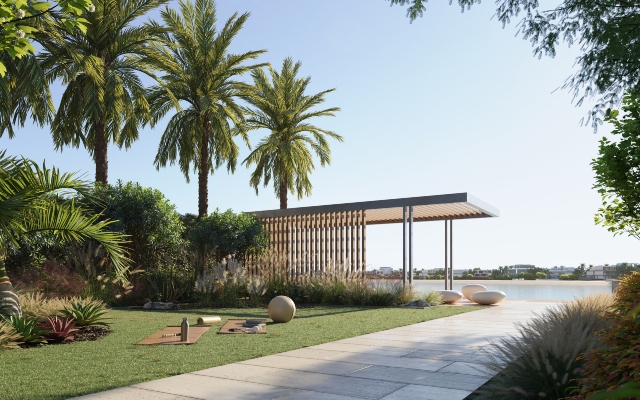
In residential real estate, ESG-led development means planning communities around environmental performance, social wellbeing, and responsible governance. This can include energy-efficient buildings, shaded walkways, green spaces, waste reduction systems, water-conscious landscaping, accessibility, community safety, and long-term maintenance standards.
The value lies in how these features perform over time. A community designed around ESG and sustainability can reduce daily living friction, support healthier routines, and create a more durable ownership experience.
Why Buyer Priorities are Expanding Beyond Location Alone
Location remains important, but buyers now assess whether a community can remain relevant across market cycles. Dubai’s 2040 Urban Master Plan focuses on sustainable urban development, enhancing the quality of life, and projecting a population increase to 7.8 million by 2040.
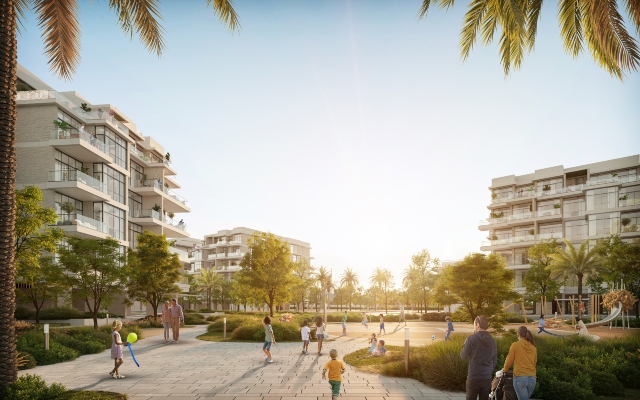
That growth is reshaping buyer expectations. Families, international residents, and long-term investors are placing more weight on walkability, open space, access to services, and efficient infrastructure because these factors influence day-to-day usability as much as resale appeal.
How ESG Features Can Improve Liveability and Market Appeal
ESG features improve liveability when they translate into measurable lifestyle benefits. Shaded public areas can make outdoor movement more practical. Energy-efficient systems can reduce operating pressure. Green spaces can improve community appeal, while better mobility planning can reduce dependence on short car journeys.
These details matter because buyers are comparing overall ownership experience, not only purchase price. Communities that combine design, comfort, efficiency, and convenience are better positioned to attract end-users, tenants, and long-term investors.
Why ESG-Led Communities Attract More Resilient Demand
Resilient demand usually forms where a property appeals to more than one buyer group. ESG-led communities can attract families seeking healthier environments, investors looking for long-term relevance, and international buyers who are familiar with sustainability standards in mature global markets.
Dubai’s wider policy direction also supports this shift. The Dubai Clean Energy Strategy aims for 75% of Dubai’s energy requirements to come from clean sources by 2050, while the UAE Energy Strategy 2050 targets significant investment in renewable and clean energy by 2030.
ESG in the Bigger Picture of Dubai’s Residential Growth
ESG-led community development is becoming part of Dubai’s next residential growth phase. As transaction volumes rise and new supply enters the market, buyers are likely to become more selective about planning quality, operational efficiency, and long-term community management.
For investors, this means ESG is not only a brand position. It is a practical filter for assessing future demand, tenant appeal, ownership comfort, and asset resilience.
Governance in Master-Planned Communities
Governance is often the least visible part of ESG, but it can have the strongest long-term impact on buyer confidence. Clear maintenance standards, phased delivery, infrastructure planning, and community management help protect the quality of the built environment after handover. For investors, this reduces operational uncertainty and supports more consistent demand, especially in master-planned destinations where long-term value depends on how well the community is managed over time.
How ESG Can Influence Operating Costs and Ownership Efficiency
One of the most practical drivers behind ESG adoption in residential real estate is cost efficiency over time. Energy-efficient systems, water-saving infrastructure, and better building design can reduce utility consumption and maintenance pressure, which directly affects service charges and overall ownership costs.
For investors and end-users evaluating properties in Dubai, this creates a clearer long-term value equation: lower operating friction supports stronger tenant retention and more predictable net returns. As ESG and sustainability standards become more embedded in community planning, cost efficiency is increasingly becoming a key differentiator in how assets are compared.
Building Long-Term Value Through Better Communities
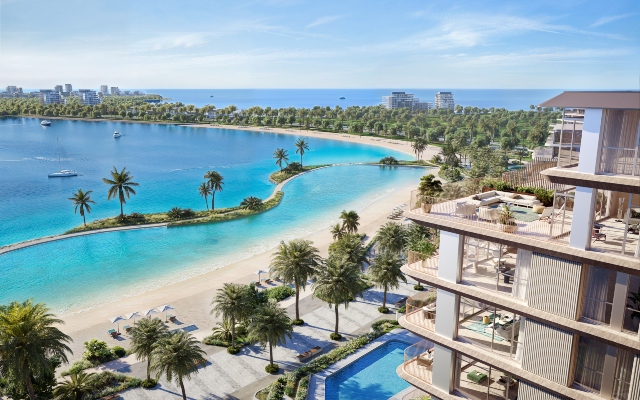
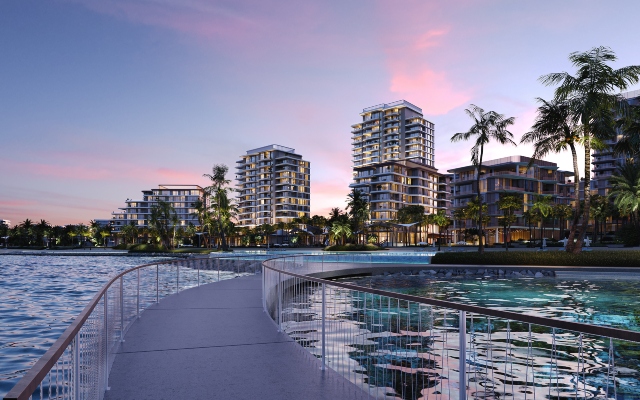
As Dubai matures, the strongest communities will be those that combine location with liveability, planning discipline, and long-term relevance. Nakheel’s approach to master-planned destinations supports this shift by creating communities designed around lifestyle quality, connectivity, and enduring residential appeal.
Explore Nakheel communities designed for Dubai’s next phase of sustainable residential growth.