800 NAKHEEL
What Investors Get Wrong About ‘Prime Location’ in Dubai Real Estate
In Dubai real estate, the idea of a “prime” location is often reduced to visibility, prestige, or proximity to well-known landmarks. For investors, that can be misleading. A recognised address may attract attention, but long-term value depends on whether the location can sustain demand when the market becomes more selective and liquidity tightens.
A stronger definition of prime looks beyond reputation. It considers scarcity, connectivity, community planning, liveability, rental appeal, and resale depth. In this context, a prime location in Dubai is not simply where buyers want to be today; it is where demand is likely to remain resilient across ownership cycles and shifting market conditions.
Key Takeaways
- A Famous Address Does Not Mean Prime Value
- Liquidity Matters More than Recognition
- Scarcity Protects Value Better than Status Alone
- Infrastructure and Usability Shape Long-Term Demand
- Market Cycles Reveal the Difference Between Prime and Popular
- What Investors Should Assess Before Buying
- Redefining Prime Through Long-Term Value
A Famous Address Does Not Mean Prime Value
One of the most common mistakes is confusing visibility with investment strength. A well-known district may attract attention, but attention does not always translate into resilient pricing, tenant demand, or strong exit liquidity.
For investors assessing property value in Dubai, the more important question is whether the location has limited direct substitutes. Waterfront access, low-density planning, view corridors, privacy, infrastructure delivery, and community maturity can all create defensible value. A prominent address with a high competing supply may face more pricing pressure than a quieter master-planned destination with stronger scarcity and end-user appeal.
Liquidity Matters More than Recognition
A prime address should not only look strong on a map; it should perform when an owner wants to rent, refinance, or resell. Liquidity depends on the depth of demand for that specific property type, the number of comparable listings, and the profile of buyers active in that segment.
Dubai’s ultra-luxury market shows how selective this demand can be. Knight Frank reported 500 residential sales above US$10 million in 2025, including 68 deals above US$25 million, with total US$10 million-plus sales value reaching US$9.05 billion. This level of activity signals a strong global appetite, but it also reinforces that prime demand is concentrated around assets with clear scarcity, lifestyle value, and international recognition rather than broad geographic labels.
Scarcity Protects Value Better than Status Alone
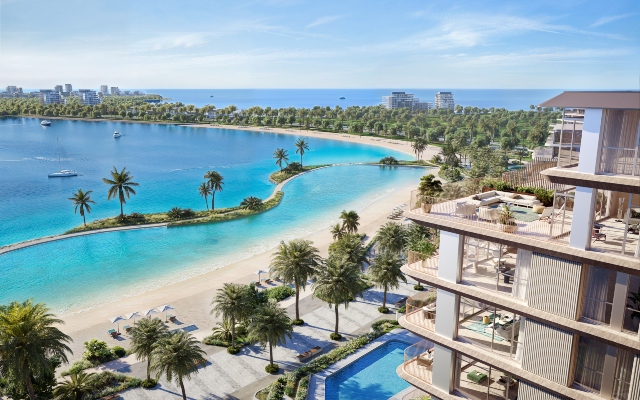
Prime location is strengthened when supply cannot be easily replicated. This is why waterfront plots, beachfront villas, limited island homes, and low-density communities often attract long-horizon buyers who are less driven by short-term market noise or cyclical fluctuations.
ValuStrat’s January 2026 index showed Dubai residential capital values rising 19.8% annually, with villas continuing to outperform apartments. This uneven growth indicates that asset type, land scarcity, and buyer behaviour can influence performance as much as location branding.
For investors comparing the best areas in Dubai to buy property, this means a “prime” label should be tested against supply discipline. If many similar homes can enter the market in the same price bracket, the location may be desirable but not necessarily defensible from a capital preservation standpoint.
Infrastructure and Usability Shape Long-Term Demand
Another mistake is evaluating location only by proximity to business districts or leisure destinations. In a mature market, daily usability matters. Road access, community facilities, schools, wellness spaces, retail, public realm quality, and maintenance standards all influence how consistently a location attracts residents and retains them over time.
Market Cycles Reveal the Difference Between Prime and Popular
During strong market cycles, many areas can experience price growth. The real test appears when supply increases; affordability tightens, or buyers become more selective. In softer conditions, locations with clear lifestyle utility, scarce product, and proven demand depth are better positioned to hold value and transaction activity.
This is where investor discipline becomes important. A true prime location Dubai investment should be assessed through comparable transactions, rental absorption, service charges, days on market, future supply, handover status, and the quality of the wider master plan. Reputation may open the conversation, but data should decide the purchase.
What Investors Should Assess Before Buying
Investors should look beyond broad area rankings and test whether the property has a durable reason to remain relevant. The strongest indicators include:
Recent resale transactions in the same micro-location
Rental demand for the specific property type
Price per square foot movement over several quarters
Community maturity and infrastructure progress
Limited competing supply
Service charges and long-term ownership costs
View quality, plot position, privacy, and access
End-user demand beyond short-term investor activity
Redefining Prime Through Long-Term Value
What investors often get wrong about prime location in Dubai real estate is treating it as a fixed label rather than a performance test. The strongest locations are not only central or recognisable; they combine scarcity, usability, demand depth, infrastructure, and resale confidence across market cycles.
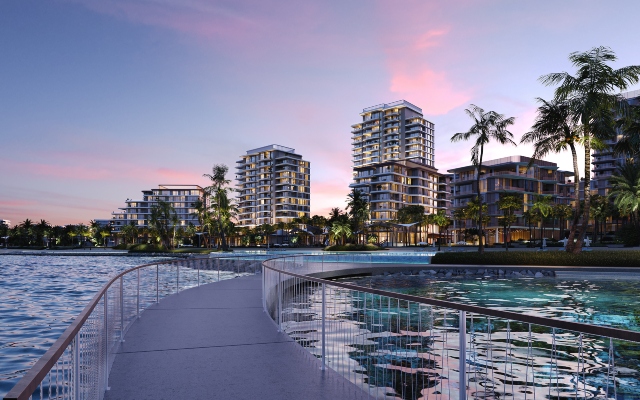
For long-term buyers, this makes master-planned waterfront destinations especially relevant, where land, lifestyle, and limited direct substitutes can work together to support durable value. Explore Nakheel’s communities to discover how Dubai’s most distinctive coastal and master-planned destinations are shaping the next phase of prime real estate investment.