800 NAKHEEL
Why Waterfront Property Scarcity Supports Long-Term Value in Dubai
Dubai’s waterfront market is shaped by a simple investment truth: the most desirable locations are often the hardest to recreate. As buyers become more selective, long-term value is becoming tied to places that offer more than attractive views, places with limited direct substitutes, disciplined planning, and sustained lifestyle relevance. Waterfront homes sit at the centre of that value equation.Key Takeaways
- What Waterfront Scarcity Really Means in Dubai
- Why Limited Supply Matters More in Premium Locations
- How Scarcity Supports Pricing Power and Demand Resilience
- Why Long-Term Buyers and Investors Value Irreplaceable Locations
- Waterfront Scarcity in Dubai’s Bigger Investment Landscape
- Scarcity as a Long-Term Value Signal
What Waterfront Scarcity Really Means in Dubai
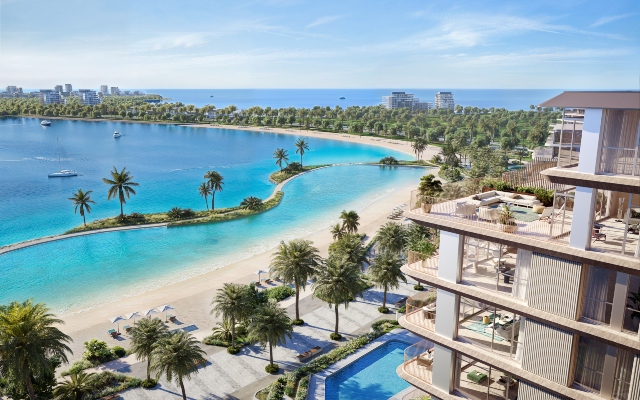
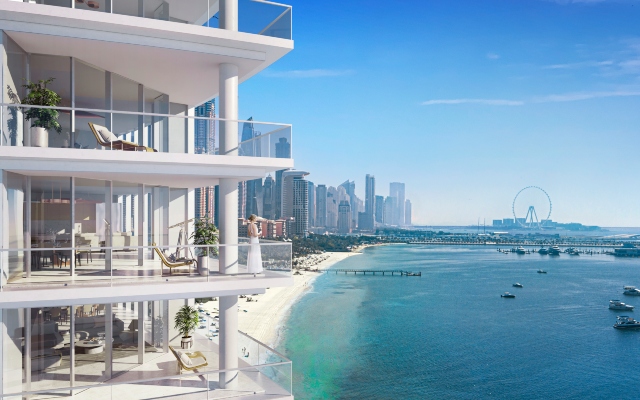
Waterfront scarcity does not mean Dubai has limited coastline only in a physical sense. Instead, it reflects the reality that only a small share of residential inventory combines direct water access, controlled master planning, privacy, open views, integrated leisure infrastructure, and long-term community stewardship.
Not every property near water carries the same investment logic. A scarce waterfront asset isdefined by the quality of its planning framework, the cohesion of its public realm, the depth of surrounding amenities, and the extent to which its setting is structurally protected from oversupply.
Why Limited Supply Matters More in Premium Locations
Limited supply has a stronger effect in premium locations because the buyer pool is less driven by entry price and more focused on exclusivity, usability, and long-term ownership value. In this segment, scarcity is not only about fewer units; it is about fewer genuinely comparable alternatives.
Dubai’s residential market recorded more than 200,000 sales transactions worth AED 541.5 billion in 2025, while prices rose 12.1% year on year. At the same time, the market is preparing for future supply, with Cavendish Maxwell projecting around 110,500 residential units for delivery in 2026, although historical completion rates suggest actual deliveries may be lower. In this environment, asset selection becomes more critical, particularly for investors seeking locations that can remain differentiated as broader inventory expands.
How Scarcity Supports Pricing Power and Demand Resilience
Scarcity supports pricing power because buyers compete for attributes that cannot be produced at scale. Direct water access, protected views, resort-style infrastructure, and established lifestyle appeal create emotional and practical value at the same time. That combination can help premium waterfront assets attract end-users, seasonal residents, long-term investors, and global buyers.
When more supply enters the system, properties with weaker differentiation may face greater pricing pressure. Scarce waterfront homes are more insulated, as demand is less yield-driven and more closely linked to lifestyle preferences, capital preservation, and long-term family use.
Statistical Evidence
Savills reported that Dubai’s prime residential capital values increased by 6.8% in 2024, while prime rents rose 23.5%, supported by population growth and inflows of high-net-worth individuals and family offices. The same report forecast Dubai to lead global prime residential price growth in 2025, with projected capital value growth of 8% to 9.9%. These dynamics underscore why well-positioned, scarce assets tend to outperform across cycles.
Why Long-Term Buyers and Investors Value Irreplaceable Locations
Long-term buyers value irreplaceable locations because they reduce dependence on short-term market momentum. A well-planned waterfront home can serve multiple ownership objectives: primary residence, seasonal use, rental income, resale optionality, and legacy planning. .
For international investors, waterfront property also carries a strong psychological premium. It signals privacy, permanence, and global lifestyle relevance, factors that matter particularly to UHNWIs comparing Dubai with established global residential markets.
Waterfront Scarcity in Dubai’s Bigger Investment Landscape
Dubai’s next phase of real estate growth is likely to reward sharper selection. High transaction volumes show confidence, but future performance will depend more on location discipline, delivery quality, and the ability of communities to absorb demand over time.
While broad market growth can lift sentiment, scarce waterfront assets are more likely to retain strategic relevance because their value is anchored in land constraints, setting integrity,
and lifestyle infrastructure. In this context, waterfront scarcity evolves from a luxury feature into a long-term investment filter
Scarcity as a Long-Term Value Signal
Waterfront scarcity supports long-term value in Dubai because it connects a limited supply with durable buyer demand. As the market matures, investors are likely to look beyond launch momentum and focus on assets that offer clear differentiation, resilient end-user appeal, and stronger long-term positioning.
Nakheel’s waterfront communities reflect this investment logic through master-planned destinations shaped around location, lifestyle, and long-term value. Explore Nakheel’s waterfront residences to discover homes designed for enduring appeal in Dubai’s evolving property market.