800 NAKHEEL

How Infrastructure Growth is Driving Homebuyer Demand Across Dubai?
Dubai’s homebuyer demand is increasingly shaped by one variable that is easy to feel but often undervalued in pricing models: time certainty. When new metro links, interchanges, public realm upgrades, and employment nodes reduce friction in daily life, the buyer pool typically deepens. More households can live further from established cores without sacrificing access, while investors can underwrite tenant demand with greater confidence and visibility.Key Takeaways
Why Infrastructure Is a Demand Engine
The ‘Access Premium’: How Time Savings Translate Into Pricing Power
Infrastructure converts into demand when it produces repeatable time savings and more reliable journey times, not just new kilometres of road or track. In practical terms, reduced travel-time “cost” expands the set of neighbourhoods that feel viable for work, school runs, and daily errands, widening the buyer funnel and supporting pricing power where reliability is visible (frequent services, predictable commutes, fewer bottlenecks).
Infrastructure as a Confidence Signal for End-Users and Investors
In fast-growing cities, the credibility of delivery often matters as much as the asset itself. Visible, well-used networks reduce “execution risk” in a buyer’s mind: families gain confidence in daily-life reliability, while investors gain confidence in leasing depth and exit liquidity. High utilisation across modes reinforces this signal with the RTA reported 802 million riders using public transport, shared mobility, and taxis in 2025.
Infrastructure in Dubai’s Housing Market
Mobility Networks (Metro, Roads, Interchanges, Last-Mile Links)
Dubai continues to extend its mobility backbone. A current focal point is the Dubai Metro Blue Line, scheduled for inauguration in 2029, with 14 stations designed to connect and interchange with existing lines and growth areas.
Commute Reliability and Its Effect on Search Behaviour
Home search filters tend to tighten around predictability: households prioritise school-run feasibility, single-seat commutes, and reduced variability at peak hours. Where reliability improves, rental enquiry volumes typically respond first, followed by buyer demand as leasing performance becomes observable.
Social Infrastructure (Schools, Healthcare, Public Realm)
Dubai’s long-term planning direction explicitly supports mass transit, walking, cycling, and the development of accessible service centres, aligning mobility investment with liveability outcomes.
Family Decision Drivers and Catchment-Led Demand
For end-users, “infrastructure” often means school catchments, clinics, parks, and a safe public realm. These reduce churn (families move less often), stabilising occupancy and supporting price resilience. As a result, demand becomes less rate-sensitive and more lifestyle-led.
Economic Infrastructure (Business Districts, Logistics, Airports)
Dubai’s global connectivity is a major demand pillar, particularly for internationally mobile households and corporate tenants. Dubai International Airport handled a record 95.2 million passengers in 2025 and is forecast by Dubai Airports to reach 99.5 million passengers in 2026. Reinforcing the city’s role as a live-work hub with global reach.
Four Clear Pathways from Infrastructure to Homebuyer Demand
Better Connectivity Widens The Liveable Radius.
Improved networks increase the number of neighbourhoods that feel “close enough,” expanding choice without eroding convenience. This dynamic allows demand to extend beyond saturated cores while preserving premium pricing near key nodes.
New Nodes Create New Lifestyle Centres and Redistribute Demand
New stations, interchanges, and upgraded corridors create new mental maps of the city. Demand often reallocates towards districts that combine access with everyday amenities, particularly where master planning integrates retail, green space, and community services alongside transport.
Public Realm Investment Lifts Perceived Quality of Life
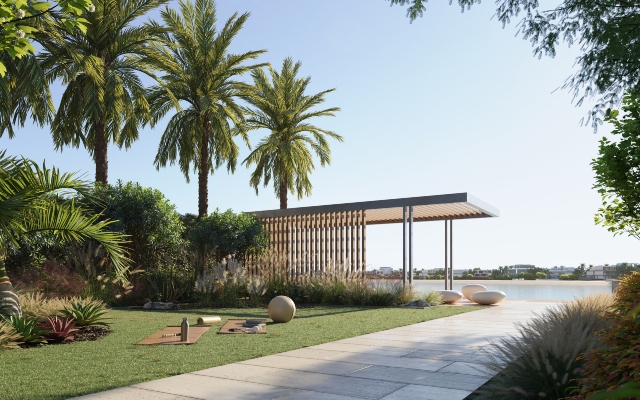
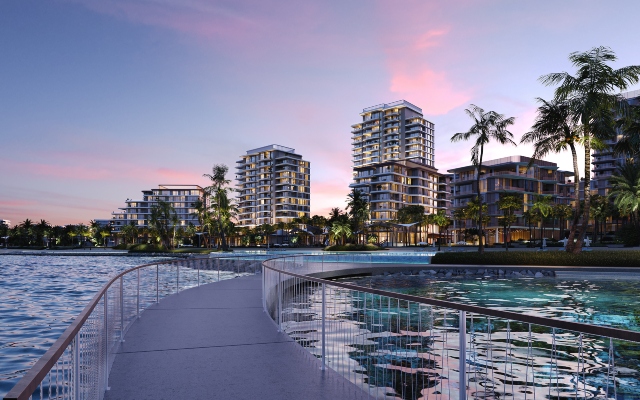
Upgraded streetscapes, parks, waterfront promenades, and safer pedestrian environments convert infrastructure spend into everyday value, a key driver for end-users and a differentiator for premium leasing.
Phased Infrastructure Reduces Long-Term Community Risk
Phased delivery of roads, transit, schools, and public realm mitigate unfinished-city risk. Where delivery sequencing is transparent and progress is visible, buyers assign higher confidence to long-term liveability, supporting demand across market cycles.
Where the Demand Shows Up First
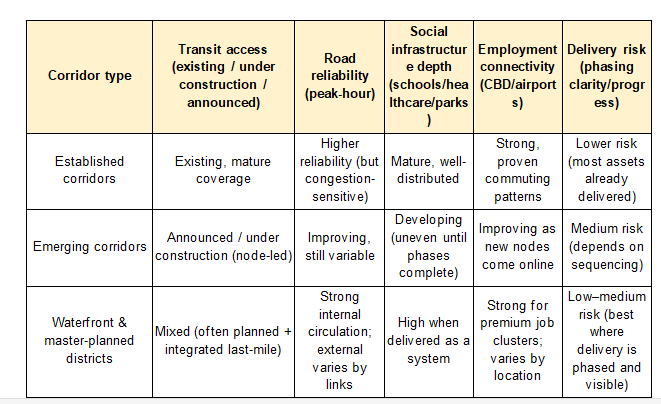
Established Corridors: Upgrades That Defend Value Through Cycles
In mature corridors, incremental upgrades (interchanges, congestion management, station-area enhancements) tend to show up as defensive strength: stable tenant demand, lower vacancy friction, and sustained liquidity.
Emerging Corridors: Early-Mover Demand and Price Discovery
In growth corridors, demand often appears as price discovery, as buyers weigh construction disruption against future access and amenity depth. Infrastructure milestones often act as catalysts, but informed buyers prioritise delivery evidence over announcements alone.
Waterfront and master-planned districts: compounding effects
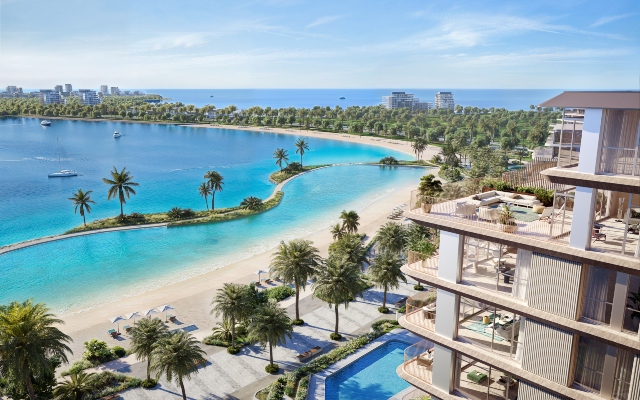
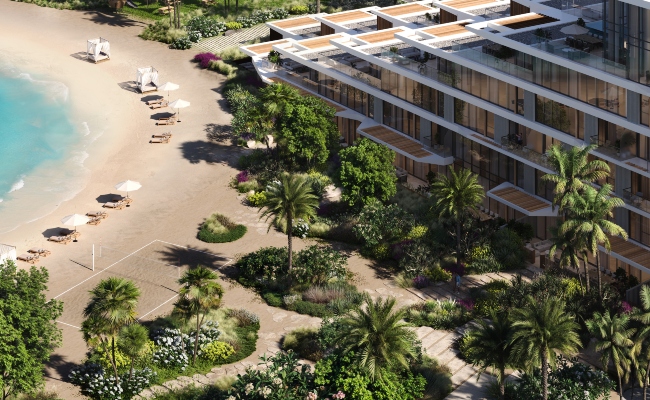
Where mobility, public realm, and destination-making converge, impacts compound. Access drives footfall, footfall supports amenity depth, and that ecosystem reinforces both lifestyle demand and rental resilience.
The Homebuyer Lens: How Different Segments Respond
End-Users: Stability, Schools, Commute Certainty
End-users typically pay for reduced life friction: shorter and more reliable commutes, stronger school options, and safer, more comfortable public realm. The return manifests as predictability and long-term stability rather than short-term yield.
Investors: Tenant Depth, Exit Liquidity, Absorption
Investors tend to respond first to signals that protect cash flow: tenant depth (more job nodes, better mobility), stronger absorption, and clearer resale liquidity. In a high-transaction market environment (AED 917 billion in 2025), liquidity itself becomes a core component of the investment case.
Connecting Infrastructure Growth to Confident Purchasing Decisions
Infrastructure growth in Dubai is not just an urban backdrop; it is a measurable demand engine that widens viable living radii, strengthens confidence in delivery, and deepens tenant and buyer pools. The most resilient opportunities tend to emerge where access improvements are credible, observable, and integrated with social infrastructure and public realm delivery
To explore how long-term master planning and infrastructure sequencing support resilient residential demand, discover Nakheel’s communities and their connected, future-ready locations.