800 NAKHEEL
Living on Palm Jumeirah: A Resident’s Guide to Daily Island Life Beyond the Visitor Experience
Palm Jumeirah is often viewed through the lens of a visitor: resort stays, beachfront dining, sea views and destination attractions. For residents, however, the island offers a distinctly different experience. Daily life depends less on the landmark status of the address and more on how well effectively each location accommodates privacy, routines, family needs, commuting, services and long-term comfort.
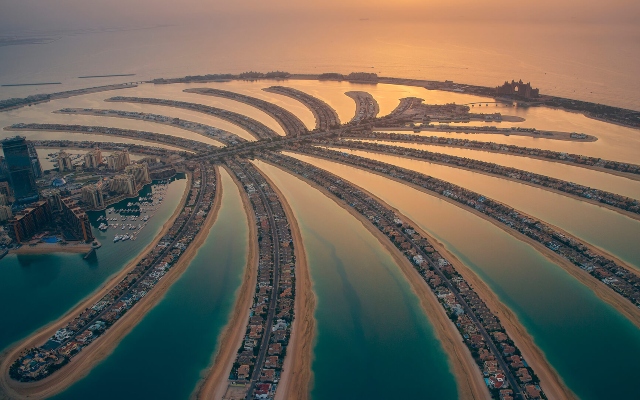
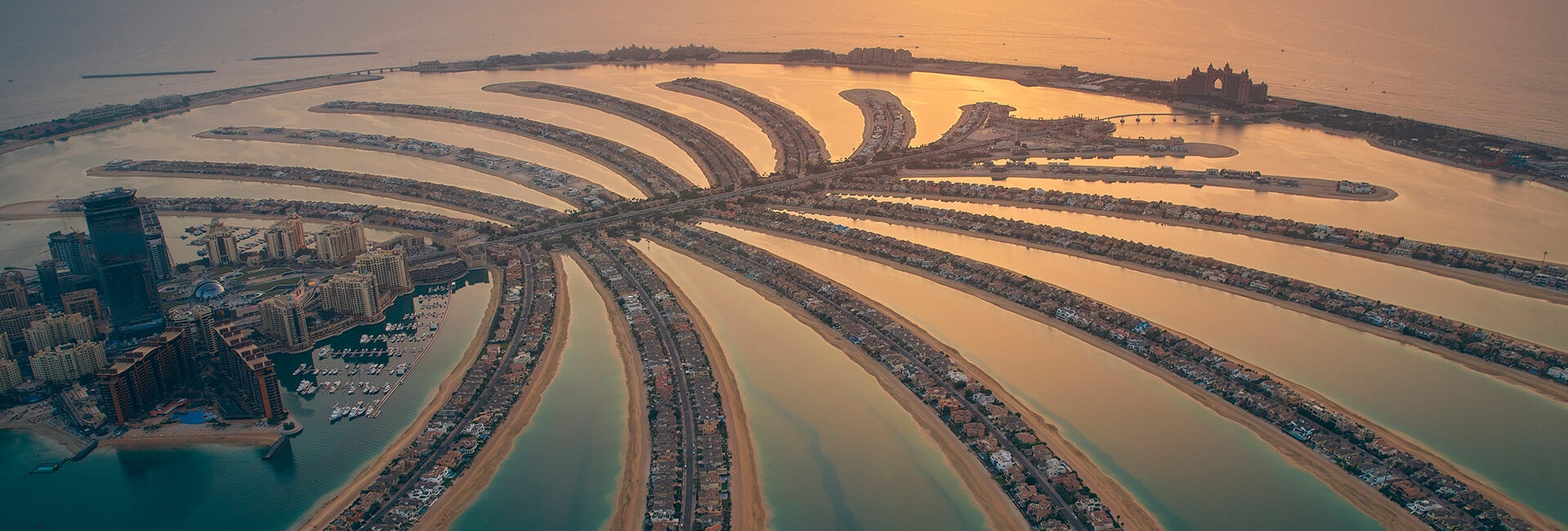
The island’s structure shapes much of that experience. Palm Jumeirah is organised around the Trunk, Crescent and Fronds, with residential apartments, hotels, restaurants, cafés, marinas, private beaches, retail malls and attractions positioned across different parts of the masterplan. This gives residents a highly distinctive waterfront lifestyle, but it also makes location choice a significant consideration, as convenience, privacy and visitor activity vary from one part of Palm Jumeirah to another.
Key Takeaways
- What Is Everyday Life Like for Residents on Palm?
- How Convenient Is Palm Jumeirah for Supermarkets, Schools, Healthcare, Fitness, Dining and Household Services, and Which Resident Resources or Local Apps Support Daily Life?
- What Should Families and Professionals Assess About Commuting From Palm Jumeirah?
- A Waterfront Address Shaped Around Everyday Life
- Which Factors Matter Most When Choosing a Home on Palm Jumeirah?
What Is Everyday Life Like for Residents on Palm?
For residents, Palm Jumeirah is less about occasional leisure and more about how the island accommodates established daily routines. The practical experience depends on how easily residents can shop, exercise, walk by the water, manage household needs, host family, maintain a sense of privacy and move on and off the island during busier periods.
Daily life also changes considerably depending on a home’s position within the masterplan. The Trunk offers the most convenient setting, with closer access to Palm Jumeirah Mall, Golden Mile Galleria, Al Ittihad Park, Palm West Beach and the Palm Monorail. The Fronds suit residents who prioritise privacy, lower-density living, direct waterfront access and generous space for family life. The Crescent offers a more resort-led environment, with expansive sea views and an established hospitality setting, but daily errands, school runs and office commutes may require more planning.
The main appeal is the ability to live by the water without giving up established residential infrastructure. Residents can build beach access, fitness, dining, walking routes and family time into everyday life instead of reserving these experiences for weekends.
The practical side should still be assessed carefully. Tourism activity can add energy to the address, but it can also affect traffic, parking, entrances, delivery access, beach movement and evening noise. Waterfront homes may also require closer long-term maintenance planning, as humidity, sea air, terraces, pools, landscaping and façade exposure can affect long-term upkeep.
How Convenient Is Palm Jumeirah for Supermarkets, Schools, Healthcare, Fitness, Dining and Household Services, and Which Resident Resources or Local Apps Support Daily Life?
Palm Jumeirah is considerably more practical as a full-time residential community than many visitors realise. Nakheel Mall supports resident convenience through retail, dining, entertainment, a Waitrose supermarket, Dubai London Clinic and Fitness First. Golden Mile Galleria adds a more neighbourhood-oriented dimension, with everyday essentials, dining, cafés, clinics, pharmacies, wellness, supermarket and service options close to residential buildings.
For daily living, residents should look at how many routine needs can be handled close to home. Homes near Golden Mile Galleria, Nakheel Mall or Palm Jumeirah Mall Station can make groceries, pharmacy visits, cafés, fitness and short walks easier to manage without repeated car trips. On the western Trunk, Golden Mile benefits from Golden Mile Galleria beneath the residential complex, with Al Ittihad Park and Palm West Beach nearby, helping residents combine errands, exercise and leisure more easily.
Families should distinguish between early-years childcare requirements and the daily needs of school-age children. Palm Jumeirah can support early-years and household routines, but many school runs will still involve leaving the island towards neighbouring areas such as Al Sufouh, Umm Suqeim, Dubai Marina, Jumeirah or Al Barsha. For this reason, actual school journey times should carry greater weight than geographical distance alone.
Resident apps also contribute to the convenience of everyday island life. The Nakheel App allows residents to access properties securely, raise and track service requests, make online payments and schedule customer care meetings. At a city level, DubaiNow gives access to more than 280 services from 44 government and private entities, including bills, driving, housing, health and residency services. Dubai REST supports owners and tenants with lease management, rental dispute services, property status tracking and live market data.
What Should Families and Professionals Assess About Commuting From Palm Jumeirah?
Palm Jumeirah is well connected for an island address, but residents should assess connectivity against their own regular travel patterns. The question is not simply whether the island is connected to Dubai; it is how predictable the journey is during school drop-off, office hours, weekends, hotel check-in periods and major visitor seasons.
Public transport supports movement across the island, but it does not replace the car for every household. The Palm Monorail connects Gateway Station with Golden Mile Galleria, Al Ittihad Park, Palm Jumeirah Mall and Atlantis Aquaventure, serving as the core public transit system on the island for residents and tourists alike. The Dubai Tram also links the Dubai Metro network to the base of the island, connecting to the Palm Monorail via a pedestrian link at Al Sufouh Road.
For professionals, the practical test should include morning and evening commutes to business districts such as Dubai Marina, Jumeirah Lakes Towers, Dubai Media City, Dubai Internet City, Downtown Dubai and DIFC. For families, the same test should be applied to schools, nurseries, clinics and weekend activities. A route that feels simple outside peak hours may feel very different when combined with school traffic, visitor movement and parking demand.
Parking should also be checked at three levels: private parking allocated to the home, visitor parking within the building or community, and public parking around beaches, malls and dining destinations. For residents, however, everyday comfort depends on the parking provisions attached to the specific building or villa, not only the island’s public parking capacity.
A Waterfront Address Shaped Around Everyday Life
Palm Jumeirah is most compelling when the home supports the realities of everyday life alongside the island’s landmark appeal. For long-term residents, the decision should come down to how well the address works across ordinary routines: commuting, shopping, privacy, waterfront access, family use, guest visits and home maintenance.
When those practical details align with the right location on the island, Palm Jumeirah becomes an enduring residential base instead of an address defined primarily by occasional visits. The strongest homes are those that make the waterfront part of daily life while still giving residents the privacy, convenience and comfort needed for long-term ownership.
Explore Palm Jumeirah communities by Nakheel and find a home that supports the way you want to live by the water.
Which Factors Matter Most When Choosing a Home on Palm Jumeirah?
The most important decision is where on the island the home sits. Trunk residences are generally stronger for convenience, walkability and access to retail and dining. Frond villas are particularly suited to buyers seeking privacy, beach access and family space. Crescent residences offer a more resort-oriented setting, often with stronger sea views but longer access to some daily services.
Private beach access is another major consideration, but buyers should assess how it functions in practice. They should check whether beach access is private, shared with a building, connected to a hotel-style amenity, or positioned near public visitor movement. Direct beach access can support family use, privacy and entertaining, but its value depends on management, security, maintenance and ease of use.
Walkability should be judged by actual daily routes. A residence may be close to a mall or beach on a map, but residents should test whether the walk is shaded, safe, convenient and comfortable during warmer months.
Noise and privacy need careful review because Palm Jumeirah combines homes with hotels, beaches, restaurants and visitor attractions. Buyers should assess orientation, balcony exposure, road position, nearby F&B activity, service entrances, beach clubs and event spaces. In high-value waterfront ownership, the quieter side of a building or the more controlled part of a villa community can matter as much as the view itself.