800 NAKHEEL
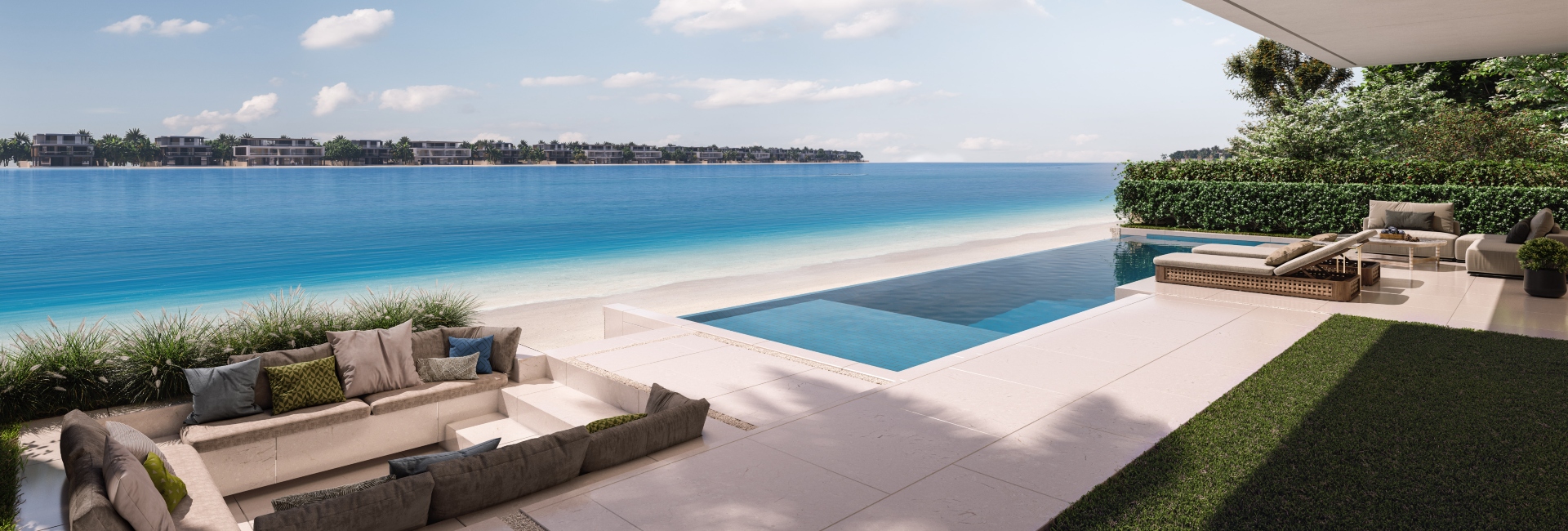
Sea, Lagoon or Canal View: Which Offers Better Liveability, Rental Demand and Resale Value?
Water views influence more than a property's visual appeal. They can shape privacy, daily comfort, tenant preferences and long-term property value, while influencing how effectively a home stands out in Dubai’s competitive resale market.
For buyers considering waterfront property investment in Dubai, the distinction between open sea, lagoon and canal settings is therefore worth examining carefully. Each creates a different residential experience and investment profile, making the quality, permanence and usability of the waterfront setting more important than the view label alone.
Key Takeaways
How Do Open-Sea, Lagoon and Canal Views Differ in Liveability, Privacy, Noise and Visual Appeal?
The distinction begins with how the water interacts with the home,its surroundings and the overall residential environment.
Open-Sea Views: Scarcity and Visual Depth
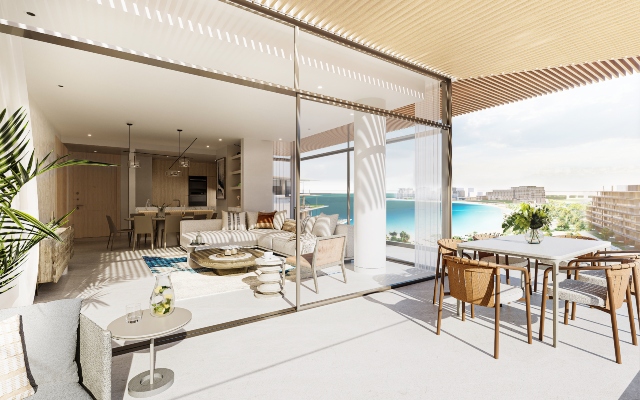
Open-sea outlooks generally offer the greatest visual depth and can provide stronger separation from neighbouring development. Where the coastline, orientation and planning prevent future obstruction, sea-view residences can also benefit from scarcity because genuinely uninterrupted coastal frontage cannot be replicated inland.
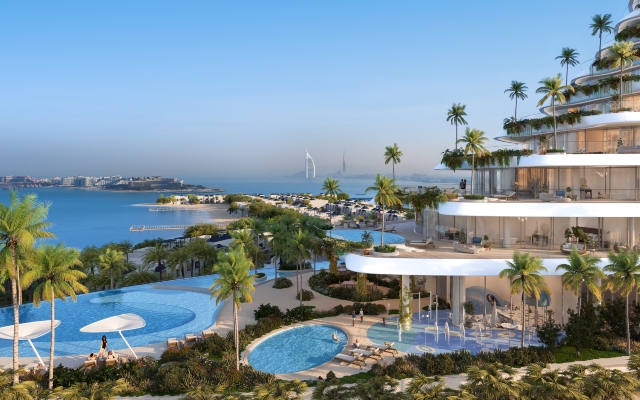
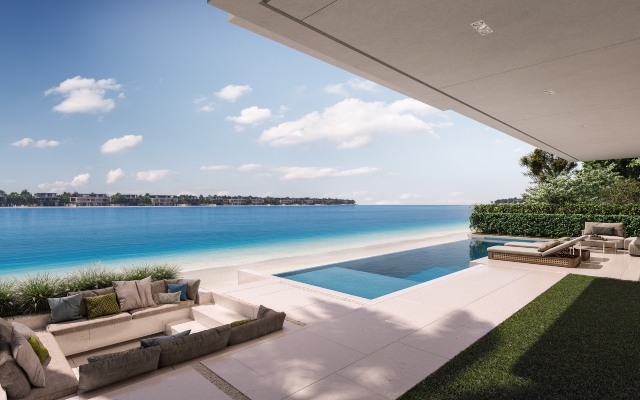
That distinction is particularly relevant at the upper end of the market. Nakheel’s Palm Jebel Ali, for example, is planned around private frond neighbourhoods, beach access and panoramic coastal outlooks. Its latest Beach and Coral Collection release comprises homes with direct beach access and uninterrupted Arabian Gulf views, demonstrating how orientation and waterfront planning can form part of the asset itself rather than simply enhancing its visual appeal.
The trade-off is exposure. Buyers should consider wind, salt, humidity, façade maintenance and afternoon solar gain alongside the view particularly when evaluating long-term ownership costs and property upkeep.
Lagoon Views: Controlled Water and Residential Calm
Lagoon-facing homes may offer a more contained environment. Their appeal can come from quieter water, landscaped edges and stronger integration with pedestrian or family-oriented spaces.
For residents, this may translate into calmer outdoor use and a stronger neighbourhood feel. For investors, however, the value depends heavily on the quality and long-term maintenance of the lagoon, landscaping and surrounding public realm. Unlike an open coastline, a man-made water feature derives more of its value from continued management quality.
Canal Views: Activity and Urban Connectivity
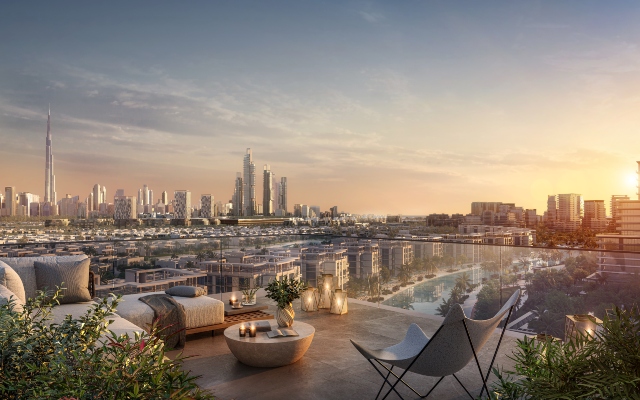
Canal-facing homes often combine water with an active urban setting. Promenades, cafés, pedestrian routes and marine movement can make waterfront living more dynamic and support tenant appeal where walkability and lifestyle convenience are priorities.
The same activity can reduce privacy. Restaurants, boats, public walkways, traffic and events may create more noise than buyers expect from the term “waterfront”, making it important to assess the balance between vibrancy and residential comfort.
What Should Investors Verify Before Paying a View Premium?
A waterfront view should be treated as an investment attribute that requires due diligence, not as a guaranteed source of appreciation.
Protect the View Corridor
Buyers should review the master plan, plot boundaries and surrounding development pipeline. A current water view may lose value if a future building partially obstructs it.
The most defensible premium is generally attached to a view with structural protection: direct frontage, substantial setback, protected open water or planning conditions that make obstruction less likely, helping preserve both lifestyle appeal and future resale value.
Understand What Happens at Ground Level
A high-floor photograph may show uninterrupted water while concealing activity below. Investors should determine whether the frontage includes a public beach, promenade, marina, restaurant zone, road or events area.
For example, Dubai Islands is planned with more than 60 kilometres of waterfront and over 20 kilometres of beaches, alongside leisure, hospitality and public-space infrastructure. Such planning can strengthen destination appeal, but the specific position of each residence determines whether activity supports convenience, enhances rental demand or reduces privacy.
Verify the Actual View From the Unit
“Waterfront” and “water view” are not interchangeable. Buyers should establish the viewing angle from principal living spaces, bedrooms and terraces rather than relying only on the building’s location.
A narrow lateral glimpse should not be valued in the same way as an uninterrupted primary outlook, particularly when comparing waterfront property prices and investment potential.
How Should Buyers Assess Whether the Waterfront Premium Is Financially Supported?
The premium should be tested against income and exit value.
Start by comparing the property’s price with similar non-water-facing homes in the same development or immediate area. Then compare achievable rents. If a waterfront unit costs substantially more but produces only a small rental uplift, its gross yield may be diluted.
Resale analysis should also consider the future competitive set. A genuinely scarce sea-facing villa may retain differentiation even as additional supply enters the market. A canal apartment surrounded by many properties with comparable outlooks may face greater substitution risk, potentially limiting future pricing power.
Choosing Waterfront Property With Long-Term Value in Mind
Dubai’s premium residential market increasingly rewards differentiated assets. Knight Frank reported that total residential sales value reached AED544.2 billion in 2025, up 25%, while prime values surpassed AED4,300 per sq ft by Q4. Against that backdrop, waterfront positioning can strengthen an asset’s identity, but buyers still need to distinguish enduring scarcity from a premium based largely on marketing.
For investors exploring waterfront opportunities, Nakheel’s portfolio demonstrates how coastline, beach access, privacy, public realm and community planning can be integrated at master-plan level. Explore Nakheel’s waterfront communities to compare how different waterfront settings shape long-term residential value.