800 NAKHEEL
Teen-Friendly Waterfront Communities: Which Amenities and Spaces Matter Most?
Teenagers use waterfront communities differently from younger children. They need more independence, a wider variety of spaces and safer ways to move between home, amenities, social areas and transport points.
For families considering a waterfront home, the key question is whether the community can support teenagers’ everyday routines. An extensive list of amenities offers genuine value when each space is thoughtfully located, easily accessible, well lit and effectively managed for families.
Key Takeaways
- What Makes a Waterfront Residential Community Suitable for Families with Teenagers?
- Which Sports, Study, Social and Leisure Amenities Are Most Useful to Teenagers?
- How Do Walkable Routes, Cycling Infrastructure and Transport Links Support Teenagers’ Independence While Maintaining Safety?
- What Should Parents Assess About Supervision, Lighting, Noise Management and Age-Appropriate Community Programming?
- Family Living with Space for Teenagers to Grow
What Makes a Waterfront Residential Community Suitable for Families with Teenagers?
A teen-friendly community gives older children more independence while keeping daily movement clear and safe. This usually means walkable routes, visible shared areas, sports facilities, social spaces, nearby retail or cafés, and convenient connections to transport and school routes, reducing the need for a car on every journey.
The overall community design is important because teenagers have different lifestyle and recreational needs from younger children. They may want to meet friends, exercise alone, study outside the home, cycle, walk to a café or spend time near the waterfront. A well-planned waterfront community offers varied, age-appropriate settings instead of concentrating teenage activity inside private homes, residential corridors or secluded areas.
Parents should look at how easily teenagers can move between the home, amenities, waterfront, shops and pick-up points. Wide paths, clear crossings, shaded routes, lighting and defined public areas can support greater independence while helping families feel reassured.
Which Sports, Study, Social and Leisure Amenities Are Most Useful to Teenagers?
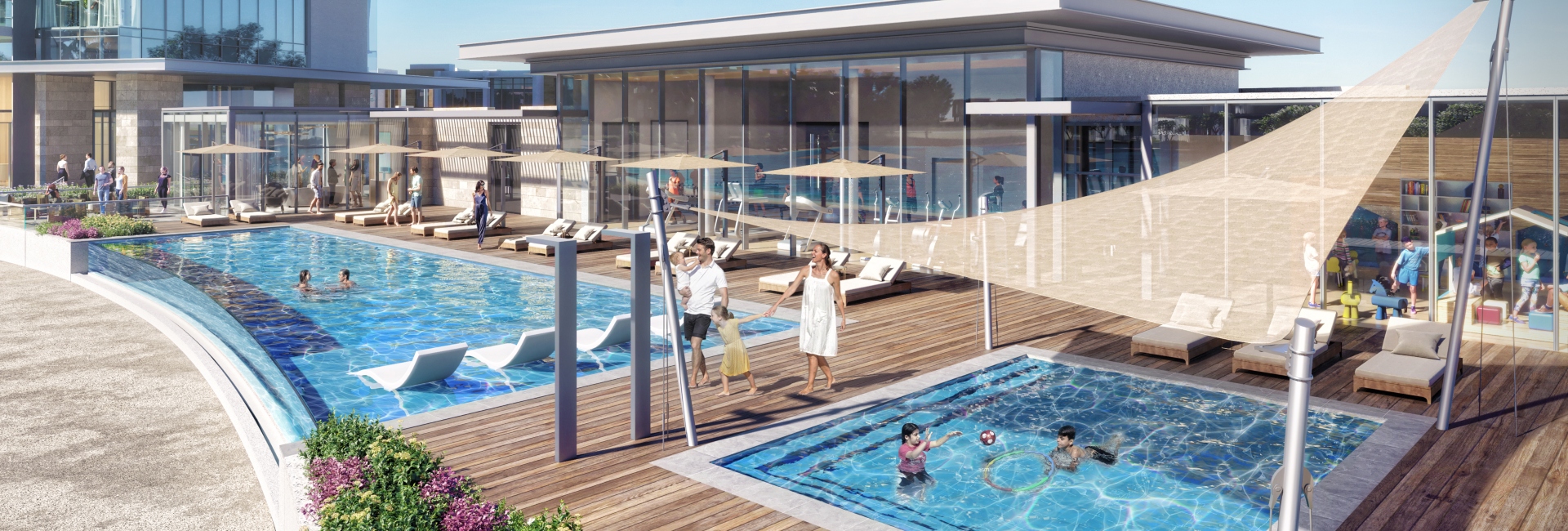
Teenagers benefit from a balanced combination active, quiet and social spaces. Sports facilities such as gyms, courts, swimming pools, cycling routes or running paths support regular exercise and provide dedicated environments for active recreation beyond the home.
Quiet spaces are just as important. Lounges, shaded seating, library-style areas or calm corners near cafés can give teenagers somewhere to read, revise or work on laptops in a comfortable setting outside their apartment or villa. .
Social spaces should feel visible and welcoming rather than secluded . Seating areas near parks, promenades, retail zones or community facilities can provide suitable meeting points when they are well lit, conveniently located and positioned away from bedrooms and private terraces.
The most teen-friendly waterfront communities offer a genuine variety of amenities. A teenager should be able to exercise, meet friends, study quietly or walk outdoors without using the same space for every need.
How Do Walkable Routes, Cycling Infrastructure and Transport Links Support Teenagers’ Independence While Maintaining Safety?
Walkable routes help teenagers become less dependent on parents for every journey. Effective pedestrian connections should be direct, shaded where possible, well lit and separated from fast-moving traffic. Even a relatively short journey can become impractical when it involves unsafe crossings, poorly illuminated areas or exposed roads.
Cycling infrastructure can support independence when it is clearly separated from cars and busy pedestrian areas. Families should look at where cycling is allowed, whether paths connect to key destinations, where bikes can be stored and whether routes remain safe during peak traffic or evening hours.
Transport links and drop-off points also affect daily life. Access to taxis, ride-hailing pick-up areas, public transport connections or school-bus stops offer teenagers greater flexibility while making their journeys more structured and predictable for parents.
A practical test is to trace a teenager’s regular week: school, sport, tutoring, friends, cafés, beach or waterfront walks. If these everyday journeys involve indirect routes or continual reliance on a car, the community may offer less practical independence than its amenity list suggests.
What Should Parents Assess About Supervision, Lighting, Noise Management and Age-Appropriate Community Programming?
Parents should consider whether communal areas remain visible and appropriately managed without feeling overly controlled. Teenagers benefit from independence, but areas such as pools, sports courts, waterfront paths and lounges should still have clear rules, an appropriate staff presence and easy access back to residential buildings.
Lighting influences the safety, accessibility and evening usability of a waterfront community.. Routes between homes, parking, amenities, waterfront areas and retail zones should be clear after sunset, with enough visibility around crossings, seating areas, staircases and building entrances.
Effective noise management is particularly important around spaces where teenagers naturally socialise. Sports courts, seating areas, cafés and waterfront promenades should be positioned away from residential bedrooms where possible, supported by suitable operating hours and community guidelines that limit disruption.
Age-appropriate community programming can further enhance everyday life for teenagers. . Fitness classes, sports activities, workshops, seasonal events and supervised community gatherings provide structured opportunities to participate, connect and develop new interests without making the community feel exclusively designed for young children or adults.
Family Living with Space for Teenagers to Grow
A teen-friendly waterfront community should support far more than recreational time.. It should make everyday independence safer and easier through walkable routes, sports spaces, social areas, lighting, transport access and amenities that suit different ages.
Explore Nakheel communities in Dubai to find a waterfront home that supports your family’s routines now and gives teenagers room to grow with more confidence and independence.