800 NAKHEEL
The Role of Environmental Awareness in Building Future-Ready Residential Destinations in Dubai
Dubai’s residential market is becoming more selective, with long-term value shaped by climate awareness, liveability, resource efficiency, and changing buyer expectations.
Environmental awareness is increasingly influencing in how buyers assess communities. Beyond location, views, and amenities, investors are looking at whether residential destinations support healthier living, lower operating friction, and more resilient long-term demand.
Key Takeaways
- Why Environmental Awareness Is Becoming a Real Estate Value Driver
- How Buyer Expectations are Changing in Dubai
- The Planning and Design Choices that Reflect Future-Ready Thinking
- How Environmental Awareness Supports Liveability and Long-Term Demand
- Why it Matters in Dubai’s Wider Residential Development Strategy
- Building Residential Value Around Future Readiness
Why Environmental Awareness Is Becoming a Real Estate Value Driver
Environmental awareness changes how residential quality is measured. In the past, premium real estate was often assessed through location, design, and exclusivity. Today, those factors still matter, but they are reinforced by:
- Energy efficiency
- Outdoor comfort
- Green spaces
- Water-conscious landscaping
· Access to walkable community infrastructure This shift is closely linked to Dubai’s long-term policy direction. The Dubai 2040 Urban Master Plan maps out a sustainable growth framework for the city, with the resident population expected to rise from 3.3 million in 2020 to 5.8 million by 2040, while the daytime population is projected to reach 7.8 million. At this level of growth, environmental planning a value-protection tool because communities must support more residents without weakening the quality of life.
How Buyer Expectations are Changing in Dubai
Buyer expectations in Dubai are becoming more sophisticated because ownership is tied to long-term use. International families, entrepreneurs, and high-net-worth buyers are not only seeking a second home or investment asset; many are evaluating whether a community can support wellness, mobility, privacy, family routines, and future lifestyle needs.
This is why sustainable housing communities are gaining relevance. Buyers are paying closer attention to:
- Shaded public spaces
- Access to outdoor spaces
- Efficient home systems
- Cleaner mobility options
- Community layouts that reduce daily friction and improve ease of movement
These features influence how comfortable a destination feels after handover, which matters for retention, renewal, and long-term value.
How Dubai Supports the Shift in Buyer Expectations
DEWA states that Dubai’s Clean Energy Strategy has evolved to target 100% of energy production capacity from clean sources by 2050, while the Mohammed bin Rashid Al Maktoum Solar Park is planned to reach 5,000MW by 2030. Together, these targets strengthen the policy foundation behind future-ready real estate, positioning sustainability as a structural direction rather than a temporary trend.
The Planning and Design Choices that Reflect Future-Ready Thinking
Future-ready residential destinations are shaped by planning decisions made long before homes are delivered. These include:
- Land-use balance
- Shaded mobility routes
- Green corridors
- Efficient cooling strategies
- Water-wise landscaping
- Building orientation
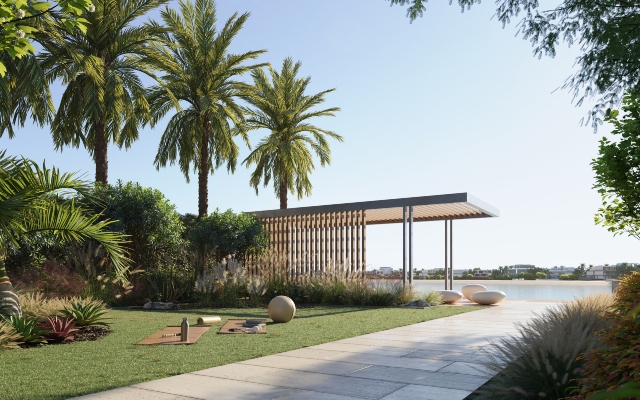
- Public realm design that encourages outdoor use
Dubai 2040 urban master plan places this thinking at the city scale. The plan aims to double green and recreational spaces, retain 60% of Dubai’s land as nature reserves and rural natural areas, and increase the length of public beaches by 400%. These objectives demonstrate how environmental awareness is being embedded into Dubai’s long-term urban framework. .
How Efficient Design Strengthens Asset Performance
At the asset level, sustainable housing designs can also reduce operating pressure. Better insulation, efficient lighting, water-conscious fixtures, natural shading, and climate-responsive layouts can improve comfort while supporting lower resource use.
For investors, the benefit is environmental and financial, because homes that are easier to operate and more comfortable to live in are better positioned to defend demand over time.
How Environmental Awareness Supports Liveability and Long-Term Demand
Environmental awareness supports demand because it improves the daily experience of residents. Green spaces, walkability, outdoor amenities, and reduced car dependency contribute to communities that remain usable across different life stages seasonal stays, and long-term ownership. In Dubai’s climate, these details directly influence how often residents use shared spaces and how strongly they attach to a destination.
Liveability from an Investor's Perspective
Communities that create consistent livability tend to reduce turnover friction because residents have fewer reasons to move. They can also attract a wider buyer pool, including families, wellness-led buyers, international investors, and end-users seeking homes that align with future living standards.
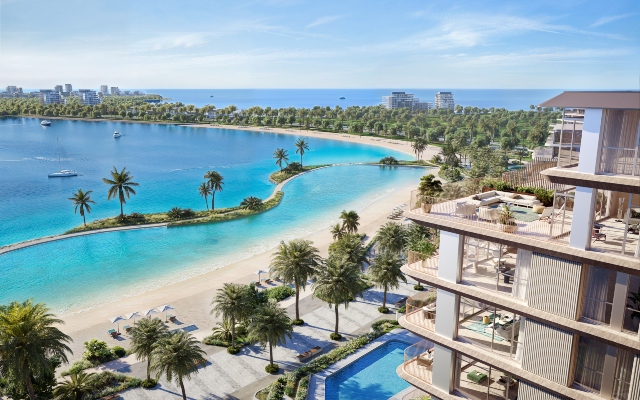
Dubai’s public beach strategy reinforces the same direction. Under the Dubai Master Plan for Public Beaches, public beach length is set to rise from 21 km to 105 km by 2040, while Phase I includes the development of Jebel Ali Public Beach in collaboration with Nakheel, with mangrove planting planned to help protect against erosion and preserve marine habitats.
Why it Matters in Dubai’s Wider Residential Development Strategy
Dubai is no longer only competing on scale; it is competing on quality, resilience, and long-term global relevance. A city that can combine growth with sustainable urban planning is better positioned to attract residents and capital that value stability, governance, and lifestyle security.
This is particularly important in premium residential destinations, where buyers often think beyond short-term price movement. UHNWIs and international investors assess whether a location has planning discipline, natural or waterfront scarcity, infrastructure depth, and a clear ability to remain desirable over time.
Building Residential Value Around Future Readiness
Environmental awareness is becoming a core part of Dubai’s residential investment story because it connects policy, planning, buyer psychology, and long-term asset performance. Eco-friendly homes and sustainable housing designs are signals of resilience in a market where buyers value comfort, efficiency, and responsible growth.
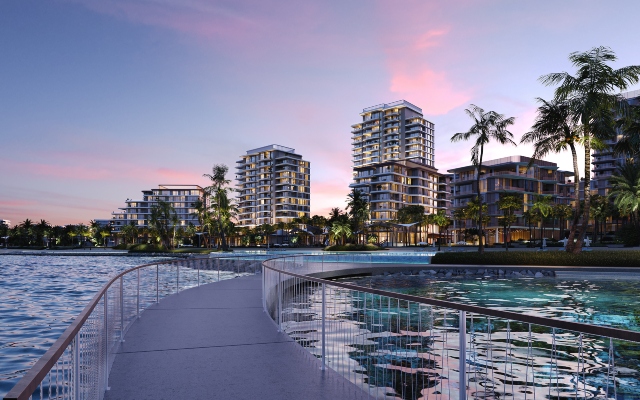
Nakheel’s role in shaping waterfront and master-planned destinations places it within this wider future-ready direction. By creating communities that balance lifestyle, environmental consideration, and long-term liveability, Nakheel continues to support Dubai’s vision for residential destinations built around quality of life, enduring demand, and sustainable urban value.
Explore Nakheel communities designed for Dubai’s next chapter of waterfront and future-ready living.