800 NAKHEEL
Universal Design in Waterfront Communities: Why It Matters for Multigenerational Families
Waterfront communities should be easy to enjoy at every stage of life. For multigenerational families, that means considering more than attractive views or access to leisure spaces. The community needs well-planned routes, buildings, amenities and homes that support children, older relatives, guests and residents with changing mobility needs.
Universal design helps make a waterfront home easier to live in, visit and retain over time by reducing physical barriers throughout daily life.
Key Takeaways
- What Does Universal Design Mean in a Waterfront Residential Community?
- Which Step-Free Routes, Gradients, Lifts, Surfaces and Wayfinding Features Support Children, Older Relatives and People with Reduced Mobility?
- What Should Multigenerational Families Assess Between Parking, the Home, Community Amenities and the Waterfront?
- Which Adaptable Floor Plan and Bathroom Features Allow a Home to Support Changing Mobility Needs Over Time?
- How Can Inclusive Community Design Improve Everyday Safety, Long-Term Usability and the Appeal of a Waterfront Home?
- Find a Waterfront Home Designed for Long-Term Living
What Does Universal Design Mean in a Waterfront Residential Community?
Universal design means planning places so they can be used comfortably by as many people as possible, without relying on temporary fixes. In a waterfront residential community, this applies to the entire resident journey: parking, entrances, lifts, pathways, promenades, amenities, homes and outdoor spaces.
For multigenerational families, the value is practical. A step-free route helps parents with prams, older relatives, injured residents, wheelchair users and guests carrying luggage. Clear signage helps children, visitors and drivers move through the community more confidently. Shaded seating supports longer walks and provides comfortable places to pause.
The most thoughtfully designed waterfront communities make access feel natural. Ramps, lifts, wide paths, smooth surfaces and clear wayfinding should be integrated into the design, not added as afterthoughts.
Which Step-Free Routes, Gradients, Lifts, Surfaces and Wayfinding Features Support Children, Older Relatives and People with Reduced Mobility?
Step-free routes are essential between parking, building entrances, lift lobbies, homes, pools, parks, retail areas and waterfront promenades. Buyers should look at whether a resident can move comfortably throughout the community without encountering stairs, steep ramps or uneven paving.
Gradients matter because a route can be technically accessible while remaining physically demanding. Long sloped paths, sharp level changes or ramps without suitable landings can be difficult for older relatives, wheelchair users and families with prams. Gentler slopes, resting points and handrails make the route easier to use.
Lifts should be conveniently located near main entrances and parking areas, with enough space for prams, wheelchairs, luggage and more than one family member at a time. In apartment buildings, buyers should also look at lift waiting areas, corridor widths and the distance between the home is from the lift lobby.
Surfaces should be firm, even and slip-resistant, especially near pools, waterfront edges and shaded areas that may stay damp. Wayfinding should be intuitive, supported by visible signs, clear building numbering, logical paths, good lighting and direct routes to amenities.
What Should Multigenerational Families Assess Between Parking, the Home, Community Amenities and the Waterfront?
Families should assess the full route from arrival to daily use. Parking is the starting point. The priority is direct access from the parking bay to the lift, lobby or home entrance, with enough space to open doors fully, unload children, support older relatives or manage mobility equipment.
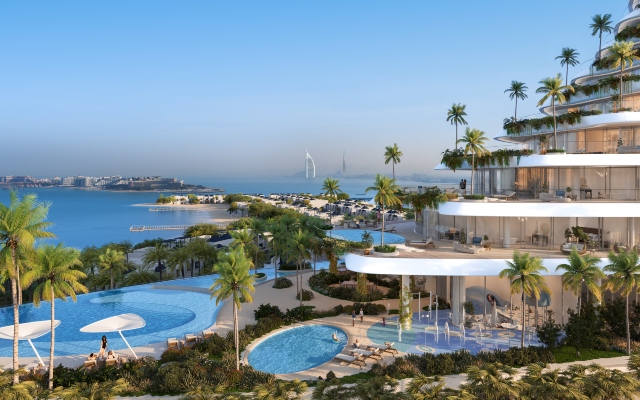
Routes between the home and amenities, routes should be short, shaded and predictable. Long walks across exposed areas may make pools, parks or waterfront spaces less useful during hotter months. Benches, lighting, shaded paths and safe crossings can make a major difference to everyday comfort.
Waterfront access should also be reviewed carefully. Steps, narrow paths, uneven decking or long detours can limit use for older residents and young children. A well-planned waterfront community should make the waterfront comfortably accessible without making each visit unnecessarily difficult..
Families should also consider how residents and visitors would move through the community during an emergency. Clear routes, visible exits, accessible lifts where appropriate, drop-off points and logical circulation all affect how safely residents and visitors can move through the community.
Which Adaptable Floor Plan and Bathroom Features Allow a Home to Support Changing Mobility Needs Over Time?
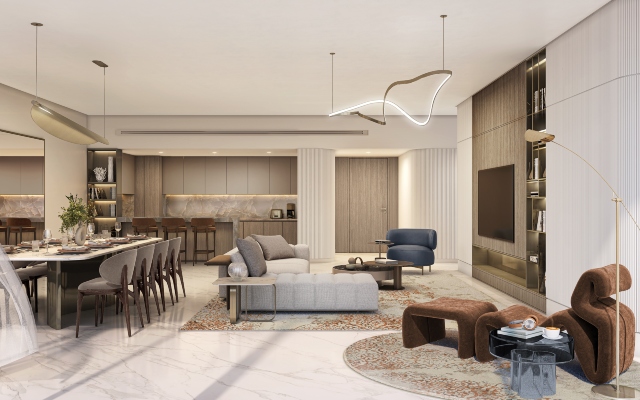
An adaptable home gives families more options as needs change. Wider entrances, clear corridors, step-free balcony access and bedrooms that can work for older relatives or guests make the home more flexible over time.
Floor plans should minimise unnecessary barriers and support intuitive movement. A bedroom on the main level can be valuable in villas or townhouses. In apartments, buyers should look at corridor width, door swing, furniture placement and whether movement between the bedroom, bathroom, kitchen and living area feels natural and unrestricted.
Bathrooms are a particularly important consideration for long-term living. Walk-in showers, level or low thresholds, enough turning space, , reinforced walls that can accommodate future grab rails, non-slip flooring and good lighting can help a home remain comfortable and functional for longer. A bathtub may be useful for children, but older relatives may need easier shower access.
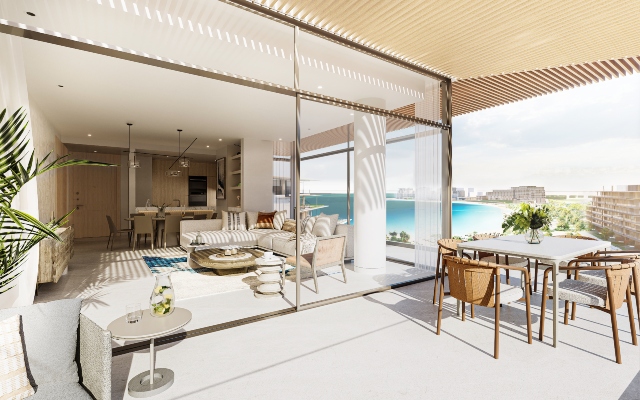
Balconies, terraces and gardens should be assessed in the same way. Raised thresholds, narrow doors or awkward steps can make outdoor spaces harder to use, regardless of the quality of the view.
How Can Inclusive Community Design Improve Everyday Safety, Long-Term Usability and the Appeal of a Waterfront Home?
Inclusive design improves safety by removing preventable obstacles. Even surfaces, visible edges, well-lit paths, handrails, shaded waiting areas and clear crossings help residents through shared spaces more securely.
It also improves the everyday usability of a waterfront community. Children can move more safely through shared spaces, older relatives can reach amenities with less effort, and visiting family members can enjoy the waterfront without requiring additional arrangements. This makes the community more comfortable and practical for a wider range of residents.
For long-term ownership, inclusive design can enhance a property’s enduring appeal. A waterfront home that accommodates different ages and mobility requirements can continue to support the family as family needs change. It may also appeal to a broader buyer pool because accessibility, comfort and safety are increasingly valuable elements of thoughtful residential design.
In premium waterfront communities, exceptional universal design should feel effortless. Residents should be able to move from home to parking, amenities and the waterfront with minimal friction.
Find a Waterfront Home Designed for Long-Term Living
A waterfront home should support the way families live now and how their needs may change later. Step-free access, clear routes, safe surfaces, adaptable layouts and well-planned amenities can make everyday life easier for children, parents, older relatives and guests.
Explore Nakheel waterfront communities and find a home designed around comfort, access and long-term family living.