800 NAKHEEL
Waterfront Apartment Privacy: What Buyers Should Assess Before Purchasing
Waterfront apartments often attract buyers through views, light and access to leisure spaces. Privacy deserves equal consideration. A home may face the sea, a promenade or a marina, but its comfort depends on how well it is protected from neighbouring units, public areas, foot traffic and future development.
For buyers, privacy is not defined by a single feature. It comes from the building’s position, floor level, view corridor, floor plan, balcony design, glazing, acoustic performance and the way resident-only areas are separated from public waterfront activity.
Key Takeaways
- How Can Buyers Assess Privacy in a Waterfront Apartment During a Site Visit or Plan Review?
- Which Floor Plan, Glazing and Balcony Features Provide Separation Between Private Rooms, Shared Spaces and Public Waterfront Areas?
- What Should Buyers Assess About Acoustic Privacy, Pedestrian Activity, Neighbouring Developments and Homes per Floor?
- How Can Waterfront Developments Separate Public and Resident Zones to Protect Privacy Without Limiting Access to Views and Amenities?
- Choose a Waterfront Apartment That Protects Privacy Over Time
How Can Buyers Assess Privacy in a Waterfront Apartment During a Site Visit or Plan Review?
During a site visit, buyers should stand inside the main living room, bedrooms and balcony, then examine the surrounding sightlines. The aim is to understand who can see into the home from neighbouring towers, lower floors, promenades, beaches, roads or shared amenities.
Floor level matters, but height alone does not guarantee privacy. A high-floor apartment can still face another tower directly, while a lower-floor home may feel more private if it is angled away from busy areas or protected by landscaping, podium setbacks or wider spacing.
For off-plan purchases, buyers should review the floor plan, site plan and building orientation together. Key considerations include the apartment’s position within the tower, the direction of bedroom windows, balcony depth, distance from neighbouring buildings and whether the unit faces public waterfront areas or resident-only spaces.
Buyers should also think about evening privacy. Large windows that feel discreet during the day may become more exposed at night when interior lights are on. Glazing, curtains, recessed balconies and building angles can all affect how private the home feels after sunset.
Which Floor Plan, Glazing and Balcony Features Provide Separation Between Private Rooms, Shared Spaces and Public Waterfront Areas?
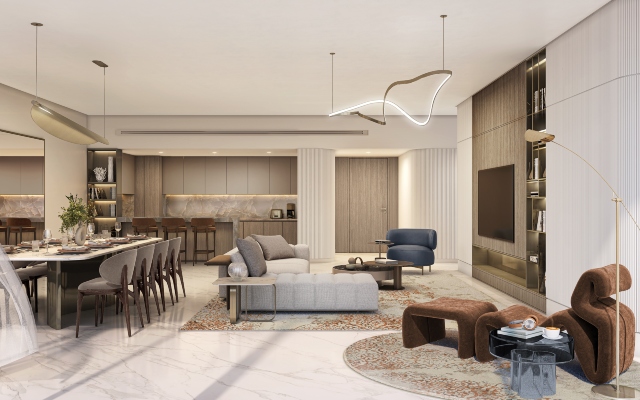
A strong floor plan separates public and private zones inside the home. Living and dining areas can face the main view, while bedrooms should ideally sit away from lift lobbies, shared corridors, podium activity and direct lines of sight from neighbouring units.
Bedroom placement requires particular attention. Buyers should assess at whether bedroom windows face another apartment, a busy promenade or a shared amenity deck. Primary bedrooms benefit from deeper setbacks, corner positioning, screened balconies or angled views that reduce direct exposure.
Glazing also supports privacy when specified. Tinted, treated or high-performance glass can reduce visibility from outside while helping control heat and glare. Buyers should still consider curtains, blinds and lighting, because glass performance changes between daylight and evening use.
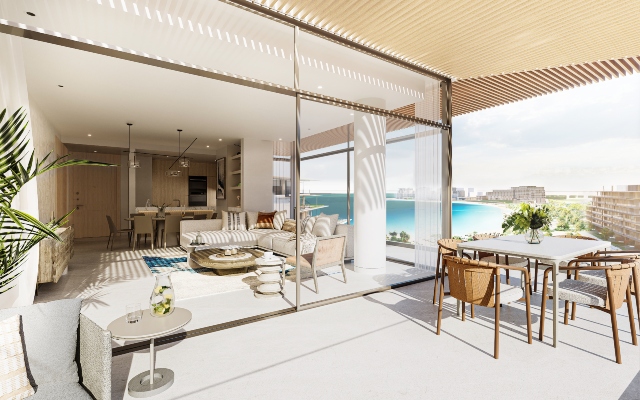
Balcony design can improve separation without compromising waterfront views. Recessed balconies, solid side walls, privacy screens, planted edges and deeper terraces can reduce visibility from neighbouring units. Very shallow balconies may provide attractive views while offering limited practical privacy, especially if they sit close to adjacent homes.
What Should Buyers Assess About Acoustic Privacy, Pedestrian Activity, Neighbouring Developments and Homes per Floor?
Visual privacy is only part of the decision. Acoustic privacy affects how calm the apartment feels, especially in waterfront settings with restaurants, promenades, beach clubs, boats, roads or outdoor events nearby.
Buyers should listen from inside the apartment with doors open and closed. Balcony doors, window seals, wall construction and bedroom placement all influence how much sound enters the home. Bedrooms facing a busy waterfront edge may require enhanced acoustic protection than rooms facing quieter internal areas.
Pedestrian activity should be assessed at different times of day. A promenade, marina or retail edge may feel quiet during a morning visit but become busier in the evening. Buyers should consider whether people can pass directly below the balcony, gather near the building entrance or have clear sightlines towards lower-floor apartments from public areas.
Homes per floor also affects privacy. Fewer residences per floor can reduce lift traffic, corridor noise and interactions with neighbours. Private or semi-private lift lobbies add another layer of separation, especially in premium waterfront buildings where buyers expect a discreet arrival experience and controlled access.
How Can Waterfront Developments Separate Public and Resident Zones to Protect Privacy Without Limiting Access to Views and Amenities?
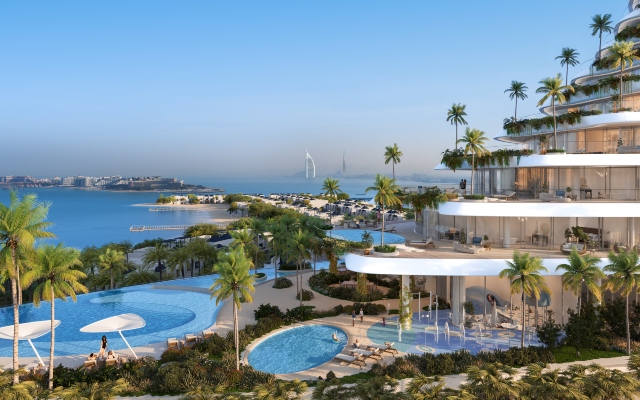
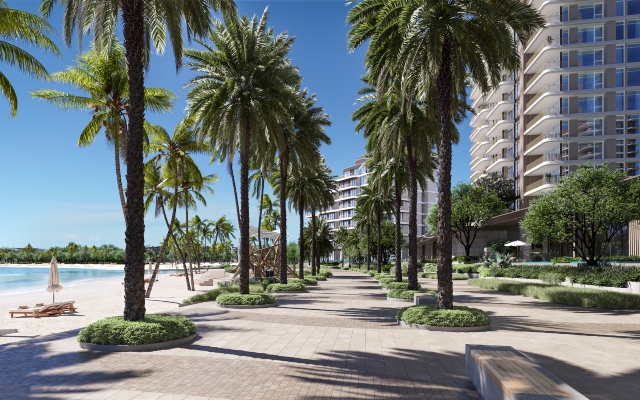
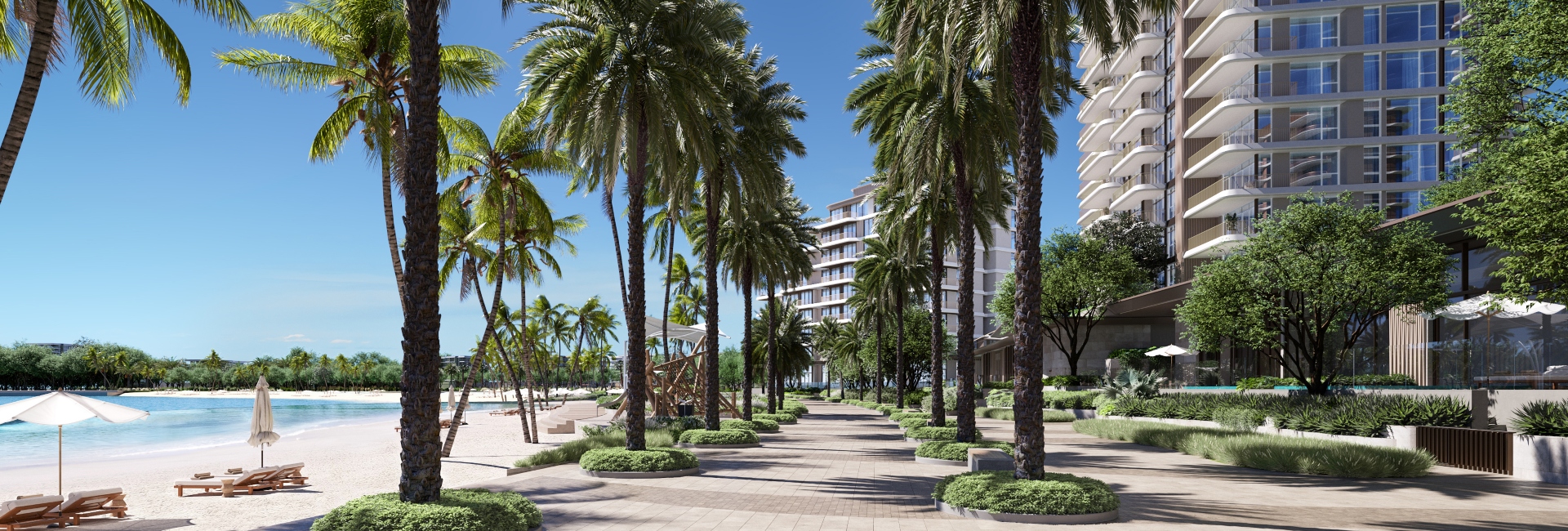
Thoughtful waterfront master planning layered access. Public areas sit closer to the waterfront edge, while resident entrances, pools, gardens, lounges and lift lobbies are set back, elevated or screened. This allows residents to enjoy the address without having public activity directly against their private spaces.
Landscaping can also protect privacy. Planted buffers, level changes, walls, screens and controlled pathways can guide movement away from apartment windows and balconies. These features work best when they protect sightlines without cutting off light or views.
Amenity placement should be assessed carefully. A pool, gym terrace or children’s play area can affect privacy if it sits directly opposite apartment windows or balconies. Better-planned developments reduce this through setbacks, level changes, landscaping, screens, angled layouts and circulation routes prevent amenity users from looking directly into private rooms.
Choose a Waterfront Apartment That Protects Privacy Over Time
A waterfront apartment should combine an exceptional view with a considered sense of privacy. It should provide a comfortable level of separation from neighbouring homes, public areas, shared amenities and future development.
When comparing waterfront apartments, buyers should assess privacy through the full ownership experience: building spacing, floor level, sightlines, balcony design, glazing, acoustic performance, resident access and nearby activity. The strongest home is one that preserves both the view and the sense of retreat that waterfront living should provide.
Explore Nakheel waterfront properties and find a home that offers the privacy, views and lifestyle you want in Dubai.