800 NAKHEEL
Blue Space vs Green Space: What Matters More When Choosing a Dubai Residential Community?
The quality of an outdoor environment influences how a community performs as a place to live and as a long-term property asset. Waterfronts create visual distinction and scarcity, while parks and landscaped routes support everyday movement, recreation and social interaction.
Research supports the value of both. The World Health Organization identifies an overall positive relationship between green and blue spaces and mental wellbeing, while a study of 19,806 adults found that spending at least 120 minutes per week in nature was associated with better self-reported health and wellbeing.
Key Takeaways
- Why the Outdoor Environment Has Become a Serious Buyer Consideration
- What Blue Space Offers Buyers
- What Green Space Offers Buyers
- How Dubai 2040 Supports Both Priorities
- What Matters More for End-Users vs Investors?
- The Best Communities Combine Blue and Green Space Well
- Choose the Environment that Can Sustain Long-Term Value
Why the Outdoor Environment Has Become a Serious Buyer Consideration
Outdoor space is no longer treated as a decorative addition. It affects walking habits, family routines, leisure choices, and the time residents spend in their community.
This matters particularly in master-planned developments. A lagoon or park may support initial sales appeal, but long-term value depends on usability: shaded routes, safe access, active edges, maintenance quality, and connections between homes, amenities, and open spaces. Buyers are consequently assessing the public realm with the same care as unit size, location, and building quality, recognising that thoughtfully designed outdoor environments contribute directly to quality of life and long-term asset performance.
What Blue Space Offers Buyers
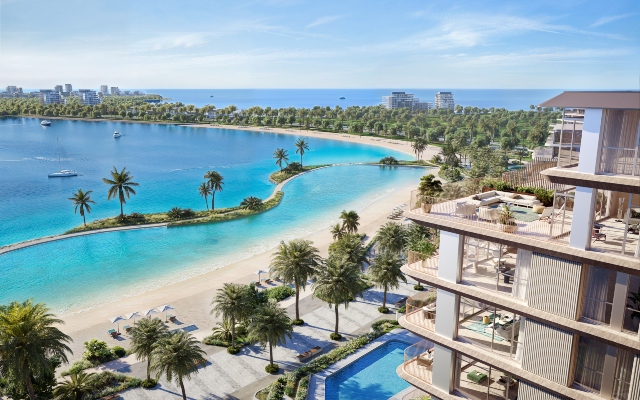
Blue space includes coastlines, beaches, lagoons, canals, and other natural or purpose-built water environments. Its principal advantage is scarcity. A genuine waterfront cannot be replicated as easily as an internal amenity, which can strengthen a development’s identity and broaden its appeal among international and lifestyle-led buyers seeking distinctive residential settings.
A systematic review covering 35 studies found that greater exposure to outdoor blue space was generally associated with improved mental wellbeing and higher physical activity. The review identified evidence of positive wellbeing in 12 studies and physical activity benefits in 13.
From an investment perspective, however, water alone does not guarantee a premium. International property research shows that pricing effects vary significantly according to view quality, water condition, access, and surrounding infrastructure. Water views generally produced stronger effects than proximity without visibility or practical access, highlighting the importance of integrated placemaking rather than waterfront positioning alone.
What Green Space Offers Buyers
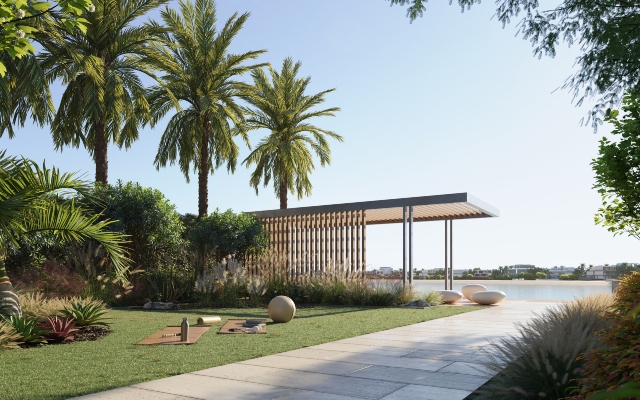
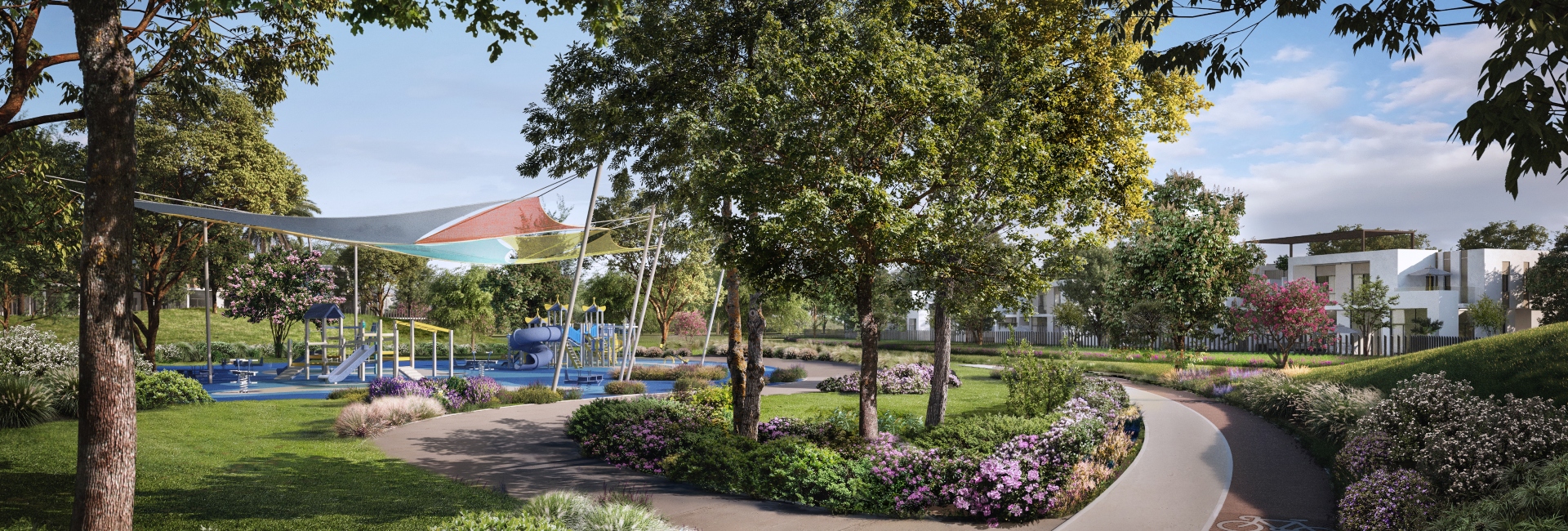
Green space often has a broader role in daily life. Parks, planted corridors, gardens and shaded walking routes can support exercise, children’s play and informal community interaction across different age groups.
WHO research indicates that well-designed urban green-space interventions can produce health, social, and environmental benefits. Their effectiveness, however, depends on quality, accessibility, and management rather than landscaped area alone.
Green space may therefore carry particular weight for families and permanent residents. A smaller park connected to homes by safe, shaded paths can offer greater practical value than a larger landscaped area positioned beyond a major road or left without suitable facilities. The emphasis is increasingly on accessibility and usability rather than scale alone.
How Dubai 2040 Supports Both Priorities
Dubai’s long-term planning framework does not treat blue and green space as competing priorities. The Dubai 2040 Urban Master Plan targets a 105% increase in green and recreational areas and a 400% expansion in public beach length. The beach programme is intended to increase Dubai’s public coastline from 21 kilometres to 105 kilometres by 2040.
The green-space pipeline is also substantial. Dubai Municipality aims to deliver 310 new parks and upgrade more than 220 existing parks by 2040, creating a more connected network of public spaces.
What Matters More for End-Users vs Investors?
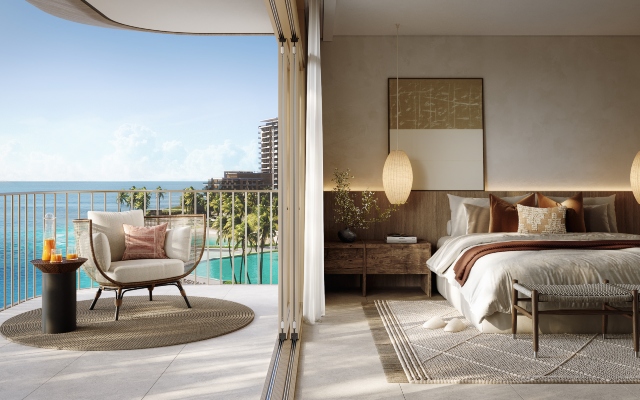
End-users generally benefit more from frequency of use than from symbolic value. Families may prioritise parks, playgrounds and walking routes, while residents seeking privacy or a resort-oriented setting may attach greater importance to beaches, lagoons and uninterrupted water views.
Investors require a different assessment. Blue space can create stronger scarcity and international visibility, but waterfront properties may also carry higher acquisition prices and maintenance considerations. Green space can support a wider tenant base, particularly where it improves walkability and family appeal.
In both cases, the strongest investment proposition comes from demand depth. An amenity that attracts several buyer and tenant profiles is more likely to support occupancy and resale liquidity across different market conditions, helping sustain value through changing market cycles.
The Best Communities Combine Blue and Green Space Well
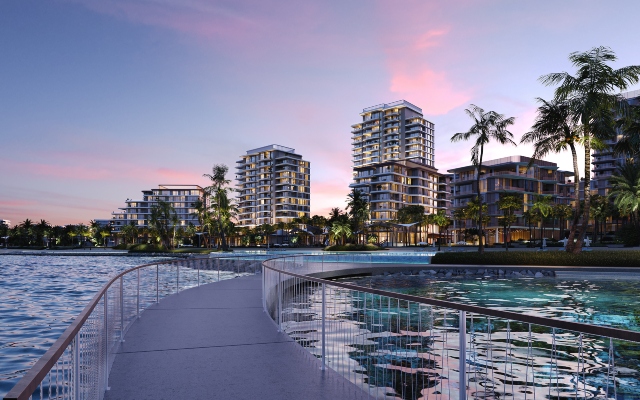
The strongest master plans avoid forcing a choice between water and landscaping. They use green corridors to connect homes with waterfront promenades, beaches, leisure facilities, and community services.
This combination matters because blue space often delivers distinction, while green space provides daily utility. Nakheel destinations illustrate this integrated approach through waterfront settings supported by parks, landscaped open spaces, pedestrian routes, and recreational amenities, creating communities that balance lifestyle appeal with long-term liveability.
Choose the Environment that Can Sustain Long-Term Value
Neither blue nor green space is automatically more important. Blue space may offer greater scarcity, views, and destination identity. Green space may contribute more consistently to everyday routines, walkability, and family demand.
The best choice is a community where the outdoor environment is functional, connected, and supported by credible long-term planning. Nakheel’s portfolio of master-planned and waterfront destinations brings these priorities together, offering buyers an opportunity to explore homes shaped around water, landscaping and enduring residential quality, with carefully curated outdoor environments that enhance both lifestyle aspirations and long-term investment potential.