800 NAKHEEL
Dubai 2040 and the Future of Beachfront Living in Dubai
Dubai’s coastline is entering a new stage of development. Rather than treating the waterfront as a collection of isolated residential and tourism projects, the Dubai 2040 Urban Master Plan positions coastal areas within a wider network of transport, public space, recreation and community infrastructure.
This shift could influence the future of Dubai real estate by making proximity to the sea only one component of value. The strongest coastal districts are likely to be those that combine limited waterfront supply with efficient mobility, walkable amenities, environmental planning, and year-round liveability. Increasingly, long-term demand is expected to favour communities where connectivity, lifestyle and urban planning are integrated into a coherent residential experience.
Key Takeaways
- Why Dubai 2040 Matters to Beachfront Homebuyers
- Public Beaches, Recreation, and the Expanding Coastal Lifestyle
- How Mobility Will Shape Beachfront Value
- Green Space, Blue Space, and Climate-Conscious Planning
- What Investors Should Watch as Beachfront Districts Mature
- Beachfront Living is Becoming More Integrated and Long-Term
Why Dubai 2040 Matters to Beachfront Homebuyers
Dubai’s resident population is projected to reach 5.8 million by 2040, compared with 3.3 million in 2020, while the daytime population is expected to rise to 7.8 million. The plan therefore focuses on using land and infrastructure more efficiently while developing integrated communities around five principal urban centres.
For beachfront homebuyers, this matters because population growth can increase competition for well-connected coastal land. However, location alone will not protect long-term value. A beachfront property in Dubai is more likely to remain desirable when the surrounding district can support daily life through schools, healthcare, retail, recreation, and reliable infrastructure. As Dubai evolves, the most resilient waterfront locations may be those that balance exclusivity with everyday convenience.
Public Beaches, Recreation, and the Expanding Coastal Lifestyle
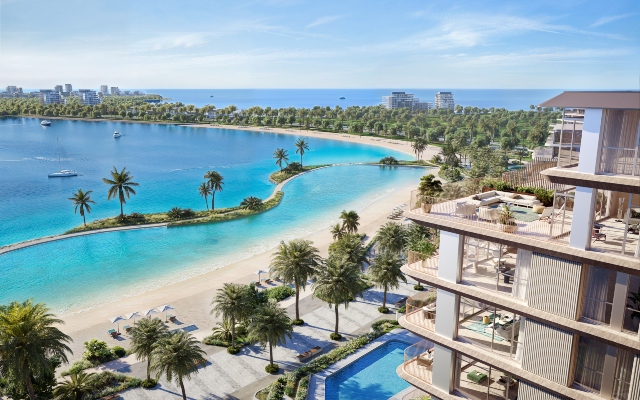
The master plan targets a 400% increase in the length of public beaches. Current coastal initiatives also aim to expand beach facilities and services by 400%, increase public beach capacity by 150%, and extend beachfront walking, jogging, and cycling tracks by 285%.
These investments may strengthen the appeal of waterfront properties in Dubai by expanding the activities available beyond private residences. Well-maintained beaches, sports facilities, pedestrian routes, and public spaces allow coastal districts to remain active throughout the day rather than operating primarily as seasonal leisure destinations. The emphasis on accessible, high-quality public amenities reflects a broader shift towards more liveable and experience-led coastal environments.
This is particularly relevant to waterfront apartments in Dubai, where residents may depend more heavily on shared amenities and the surrounding public realm. Access to a complete coastal lifestyle can support broader tenant and buyer demand than a development relying exclusively on private facilities. It may also contribute to stronger long-term occupancy by enhancing the overall appeal of the surrounding community.
How Mobility Will Shape Beachfront Value
The Dubai 2040 framework aims for 55% of the population to live within 800 metres of mass-transit stations. It also adopts a 20-minute city model, under which residents can meet 80% of their daily needs within 20 minutes by walking or cycling.
Expanding Pedestrian Infrastructure and Mobility Goals
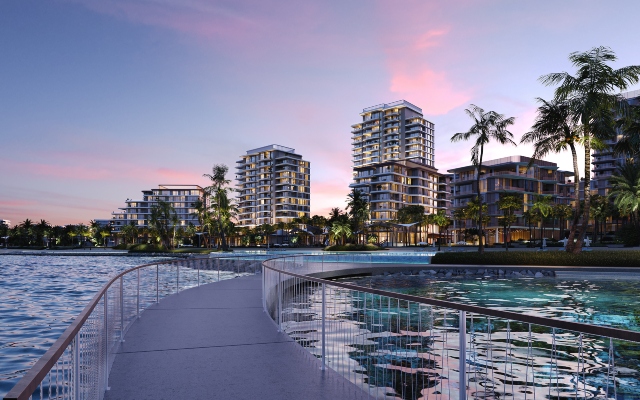
Dubai’s wider walking strategy reinforces this direction through a planned 6,500-kilometre pedestrian network, including 3,300 kilometres of new walkways by 2040. The strategy aims to increase the share of pedestrian and soft mobility from 13% to 25%.
For coastal destinations, these initiatives have implications beyond convenience. Improved walkability can enhance quality of life, reduce car dependency and strengthen the relationship between residential communities and the waterfront itself.
Accessibility and Practical Living for Waterfront Villas
For waterfront villas in Dubai, privacy and land remain important, but accessibility can determine how practical the location is for permanent residence. Coastal communities with efficient road connections, internal walking networks and convenient links to employment centres may attract a deeper end-user market than districts dependent on lengthy car journeys.
This dynamic may become increasingly important as demand shifts towards primary residences rather than purely lifestyle-driven second homes. Communities that integrate privacy with seamless connectivity are likely to appeal to a broader spectrum of buyers.
Green Space, Blue Space, and Climate-Conscious Planning
Dubai 2040 targets a 105% increase in green spaces, recreational areas, and public parks. The plan also intends for nature reserves and rural natural areas to account for 60% of the emirate’s total area.
Integrating Green and Blue Spaces in Coastal Communities
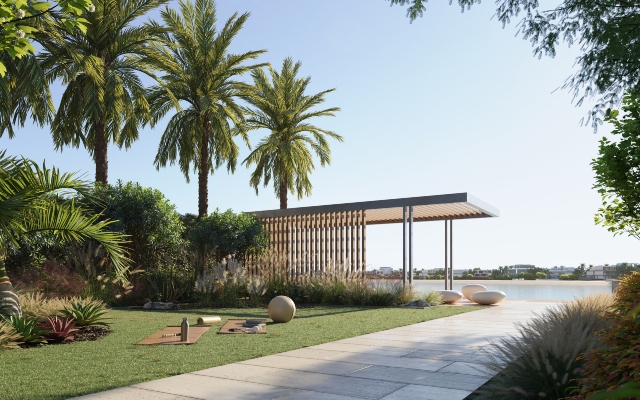
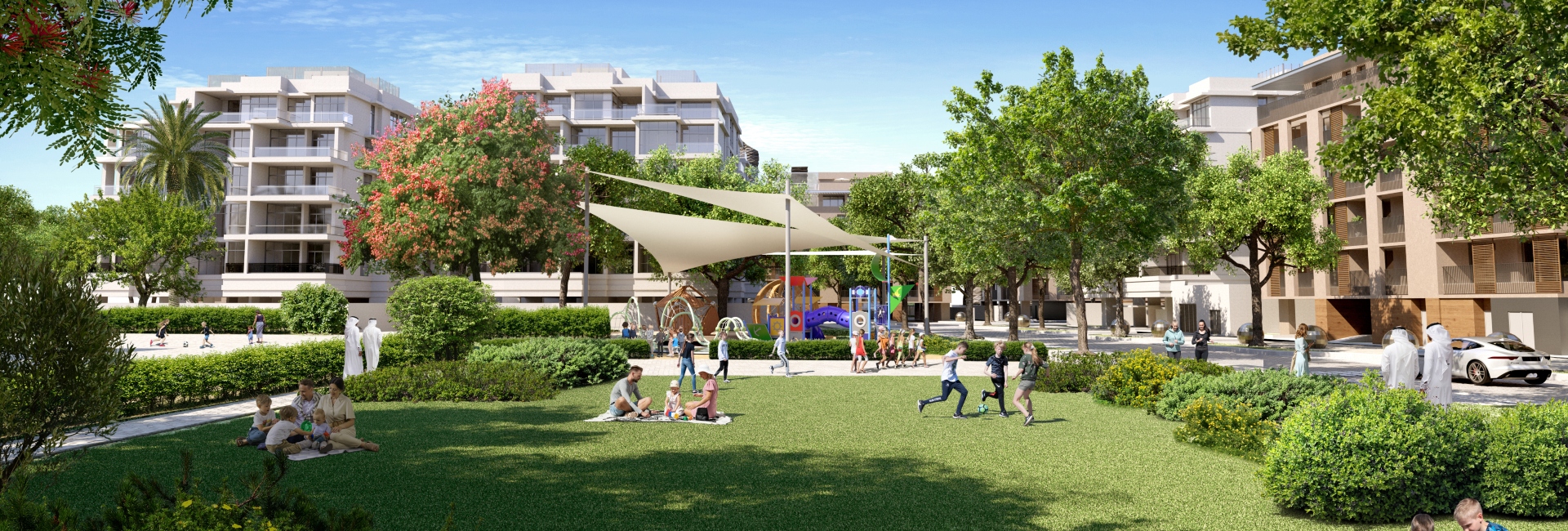
For coastal communities, green and blue space should not be assessed separately. Beaches may provide visual openness and recreation, while landscaping, shaded routes, and connected parks can improve pedestrian comfort and support daily outdoor activity.
Together, these elements contribute to a more balanced living environment, where wellness, recreation and environmental quality form part of everyday life.
The Importance of Integrated Planning for Long-Term Value
The investment implication lies in execution. Communities where landscaping, coastal access, drainage, shade, and public spaces are planned as a single system may provide a more resilient living environment than projects in which the waterfront functions primarily as a visual feature.
For investors, this level of integration can be an important indicator of long-term sustainability, resident satisfaction and enduring market appeal.
What Investors Should Watch as Beachfront Districts Mature
Investors assessing beachfront assets should examine:
The scarcity and permanence of the water view
The quality of transport and community infrastructure
The balance between residential density and privacy
The delivery and long-term maintenance of public spaces
The depth of end-user demand beyond short-term speculation
As districts mature, performance is likely to become more selective. Early appreciation may be driven by launch momentum, while long-term value generally depends on completed infrastructure, community management, occupancy, and the quality of everyday life. The distinction between headline growth and sustainable value creation is likely to become increasingly important as Dubai’s coastal market evolves.
Beachfront Living is Becoming More Integrated and Long-Term
Dubai 2040 suggests that the next generation of coastal living will be defined by more than direct beach access. Mobility, public recreation, green space, infrastructure, and planning discipline are becoming important to the way beachfront communities function and retain demand.
For buyers evaluating Dubai’s evolving coastline, Nakheel’s waterfront communities provide an opportunity to explore residences shaped around long-term connectivity, integrated amenities, and considered coastal living. These communities reflect a broader vision of the waterfront as a place to live, connect and thrive, supported by the infrastructure and planning principles shaping Dubai’s future.