800 NAKHEEL
.jpg?sfvrsn=c303ba03_1 "1920x650 (1)")
How Community Infrastructure Shapes the Success of Large-Scale Residential Destinations in Dubai
Large-scale residential destinations succeed when residential scale is matched by everyday ease, connectivity and long-term planning confidence. In Dubai, buyers are increasingly assessing how the full community environment performs: how residents move through it, how quickly they can access daily essentials, how public spaces support wellbeing, and how confidently the community can mature over time. This is why infrastructure sits at the centre of long-term community value.
Key Takeaways
- Why Infrastructure Matters More than Scale Alone
- Mobility, Access, and the Value of Reduced Friction
- Social Infrastructure: Schools, Clinics, Retail, and Community Facilities
- Public Realm and Open Space as Value Drivers
- How Infrastructure Reduces Perceived Risk for Buyers
- What Buyers Should Look for in a Master-Planned Community
- Infrastructure is the Framework Behind Long-Term Community Value
Why Infrastructure Matters More than Scale Alone
Large communities can only succeed when scale is supported by clear planning discipline and a strong operational framework. Roads, utilities, shaded walkways, parks, security, retail clusters, community management, and civic facilities all determine whether a destination feels complete or dependent on surrounding districts.
This is where masterplanned communities create an advantage. Instead of adding amenities after demand appears, the strongest plans anticipate daily behaviour from the beginning. That reduces pressure on residents, improves retention, and supports price resilience across market cycles. In premium, family-led and investment-focused segments, the best communities in Dubai tend to be those where convenience, privacy, access and lifestyle are built into the master plan rather than treated as secondary features.
Mobility, Access, and the Value of Reduced Friction
Mobility is one of the clearest links between infrastructure and value. A home that reduces daily travel friction has practical and financial appeal because it saves time, widens tenant demand and improves end-user satisfaction.
The Dubai 2040 Urban Master Plan reinforces this direction, with a target for 55% of the population to live within 800 metres of a main public transport station. It also focuses on integrated service centres that make daily needs accessible through flexible and sustainable mobility. For large residential destinations, this places mobility at the heart of liveability, helping communities feel connected, efficient and future-ready.
Social Infrastructure: Schools, Clinics, Retail, and Community Facilities
A residential destination becomes more durable when it supports everyday life internally. Schools, clinics, nurseries, wellness facilities, supermarkets, cafés and community centres reduce dependency on external districts and help residents form long-term routines.
Dubai 2040 also targets a 25% increase in spaces allocated for educational and health facilities, highlighting how urban planning in Dubai is tied to quality of life, not only land development. For buyers and investors, this kind of social infrastructure is a strong signal that a community can support stable occupancy, family retention and long-term residential demand.
Public Realm and Open Space as Value Drivers
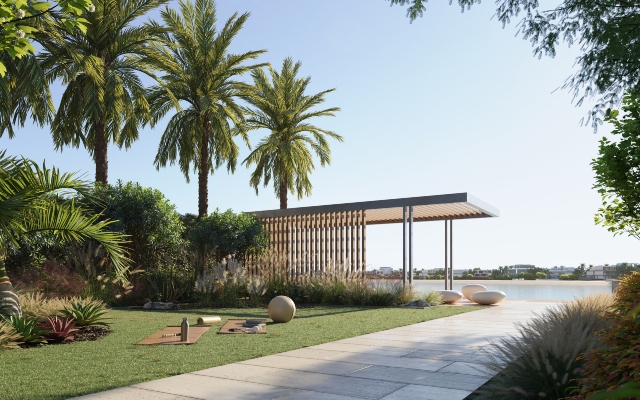
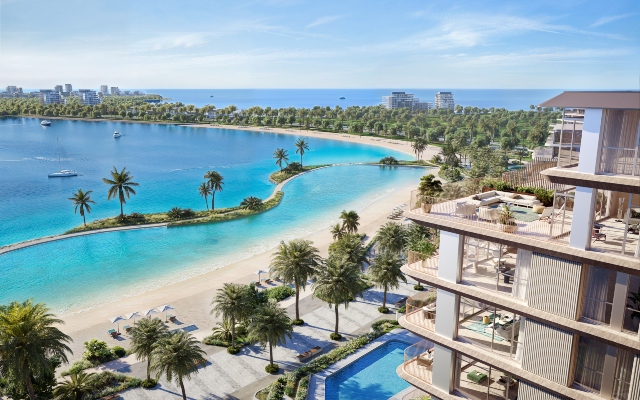
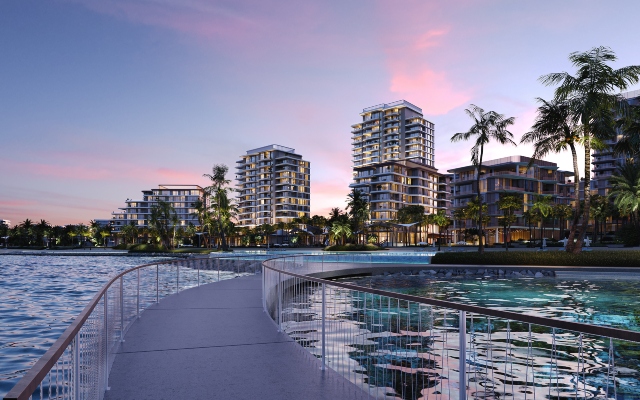
Parks, waterfront promenades, landscaped corridors, jogging tracks, cycling routes, and shaded gathering spaces influence how residents use a community every day. These areas also create emotional attachment, which is important in premium residential markets where buyers often seek permanence, wellness, and identity alongside capital preservation.
Open space works best when it is planned as an active network rather than decorative landscaping. It should connect homes to amenities, support walking, create safe family zones, and establish visual relief between built forms. When designed well, the public realm becomes part of the community’s lifestyle proposition, shaping daily routines while strengthening the destination’s overall sense of place.
How Infrastructure Reduces Perceived Risk for Buyers
Large-scale communities often involve phased delivery. For buyers, the main concern is whether the wider destination will mature as promised. Infrastructure reduces this perceived risk by making progress visible and functional.
Roads, landscaping, utilities, retail activation, security, maintenance standards, and community facilities signal planning credibility. They give buyers confidence that the destination is moving from concept to a lived environment.
This is especially relevant in villa-led and family-oriented markets. Dubai Land Department’s 2024 annual report showed villa transaction value rising 34.72% year-on-year, supported by demand for spacious, lifestyle-oriented living, supply-demand gaps in prime villa developments and freehold ownership interest among affluent expatriates. Strong infrastructure helps convert that demand into long-term community living in Dubai rather than short-term purchase momentum.
What Buyers Should Look for in a Master-Planned Community
Buyers assessing large residential communities in Dubai should look beyond floor plans and launch pricing. The stronger indicators of long-term quality include completed access roads, clear phasing, proximity to schools and healthcare, retail delivery timelines, shaded public realm, walkability, community management standards and maintenance planning.
Infrastructure should also match the target resident profile as follows:
- Family-focused districts need schools, parks, and safety.
- Waterfront and premium destinations need privacy, arrival experience, open space, and service quality, and a refined sense of exclusivity.
- High-density communities need mobility, retail, and efficient circulation.
For investors, these details also help separate short-term launch appeal from fundamentals that support long-term value resilience.
Infrastructure is the Framework Behind Long-Term Community Value
Community infrastructure is the difference between a residential project and a lasting destination. In Duba, long-term value depends on the quality of access, services, open space, social facilities, and community management. These elements reduce risk, improve liveability and help residential assets remain relevant across changing market cycles.
Nakheel’s large-scale destinations reflect this principle through integrated planning, waterfront living, open spaces, and community-led environments designed for long-term residential value. Explore Nakheel communities shaped around infrastructure, lifestyle and enduring place-making.
.jpg?sfvrsn=c303ba03_1 "1920x650 (1)")
.jpg?sfvrsn=3d3196a1_1 "640x400 (1)")