800 NAKHEEL
How Lifestyle Residences in Dubai Are Becoming Intergenerational Family Assets
Dubai’s residential market is being shaped by buyers who view property as more than a short-term investment. As the city evolves into a long-term global residential hub, families are assessing homes through a longer ownership lens, considering factors such as liveability, privacy, connectivity, community quality, and the ability to pass value across generations. For buyers, evaluating residential properties in Dubai, this shift reframes how valuable should be measured: the strongest residential assets are those that perform well during a market upswing and remain relevant as family needs evolve.Key Takeaways
- What Makes a Residence an Intergenerational Asset
- Why Dubai Is Supporting Longer-Term Family Ownership
- The Features That Strengthen Multi-Generational Demand
- How Intergenerational Appeal Protects Long-Term Value
- Family Asset Thinking in Dubai’s Bigger Investment Picture
- Building Family Value Through Long-Term Place Quality
What Makes a Residence an Intergenerational Asset
An intergenerational asset is a property that can serve more than one ownership cycle. It may begin as a primary home, later support adult children, generate rental income, or remain part of a family’s wealth portfolio over decades, not just market cycles.
The strongest intergenerational homes usually share three qualities: flexible living spaces, enduring location value, and managed surroundings that preserve the resident experience.
These elements matter because family ownership is rarely static. A young family may initially prioritise schools, parks, and daily convenience; later, the same asset may be valued for privacy, waterfront access, wellness amenities, or rental appeal. A residence that can evolve without functional compromise is far more likely to remain a retained asset, rather than becoming a purely transactional holding.
Why Dubai Is Supporting Longer-Term Family Ownership
Dubai’s growth strategy is aligned with long-term residency. The Dubai 2040 Urban Master Plan targets a resident population of 5.8 million by 2040, with a focus on quality of life, sustainable urban development, and more efficient use of existing urban space. This planning framework supports residential stability rather than short-term occupancy turnover.
Household Growth and the Shift Towards Ownership Stability
At the same time, Dubai’s population base continues to expand. Dubai Statistics Centre estimated the emirate’s population at 4.24 million at the end of 2024, reinforcing the scale of household formation and long-term accommodation needs. For families, this makes residential ownership more strategic: a single home can deliver immediately stability long-term investment relevance in a city with expanding employment, infrastructure, and global connectivity.
Why Off-Plan Appeals to Long-Horizon Family Buyers
Off-plan acquisitions allow families to secure future homes in master-planned communities before full maturity, provided they assess the developer's track record, delivery phasing, location fundamentals, and community infrastructure rather than relying on price entry alone. Developer credibility, delivery phasing, location fundamentals, infrastructure completeness, and long-term community management all become decisive factors.
The Features That Strengthen Multi-Generational Demand
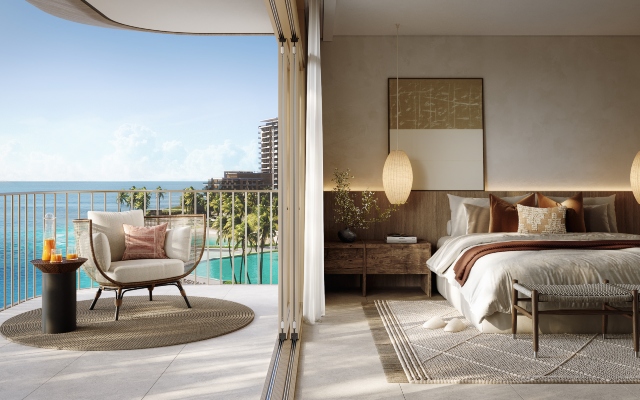
Multi-generational demand is strongest when a residence supports different life stages without compromising privacy or convenience. Larger layouts, additional bedrooms, storage, outdoor terraces, walkable amenities, and access to schools, healthcare, leisure, and retail increase a home’s ability to serve evolving household structures.
Privacy as a Driver of Long-Term Attachment
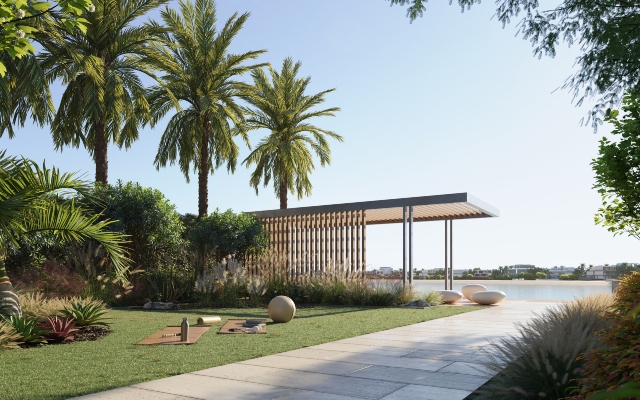
For premium buyers, privacy is equally important. Low-density planning, controlled access, landscaped edges, and well-separated living zones can strengthen emotional attachment to a home. This distinction explains why lifestyle-led residences often outperform generic inventory: they combine practical family infrastructure with a stronger sense of place.
Community Quality as a Demand Resilience Signal
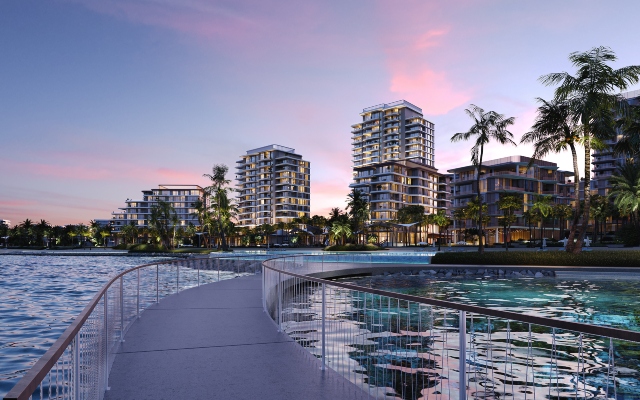
Community quality also affects demand resilience. Families are more likely to hold property for longer when the surrounding environment is managed, safe, visually consistent, and supported by leisure and wellness facilities. For investors comparing
residential properties for sale in Dubai, these should be viewed as performance signalsr rather than lifestyle add-ons. They can influence rental retention, resale appeal, and the depth of future buyer demand.
How Intergenerational Appeal Protects Long-Term Value
Intergenerational appeal protects value because it widens the buyer pool. A property that suits end-users, relocating families, long-stay residents, and investors offers stronger exit liquidity across different market conditions. This is particularly important during softer market phases, when speculative demand may slow, and end-user fundamentals become more visible.
Scarcity, Privacy, and Family Space as Value Defenders
Knight Frank reported that Dubai’s villa prices rose 12% year-on-year in Q3 2025, supported by undersupply in the villa segment. The wider lesson is not that every large home will outperform, but that scarcity, privacy, and family-oriented space can defend pricing when they are attached to strong locations and quality community planning.
Why Lifestyle-Led Assets Can Outperform Yield-Led Comparisons
Lifestyle-led assets are judged by income return and how well they preserve family utility, emotional value, and resale desirability over time.
Family Asset Thinking in Dubai’s Bigger Investment Picture
Family asset thinking changes how buyers evaluate Dubai real estate. Instead of asking only which property offers the lowest entry price or highest headline yield, buyers assess whether the asset can remain relevant through different ownership scenarios. That includes:
- Personal use
- Long-term leasing
- Future resale
- Wealth transfer
Separating Durable Fundamentals from Market Momentum
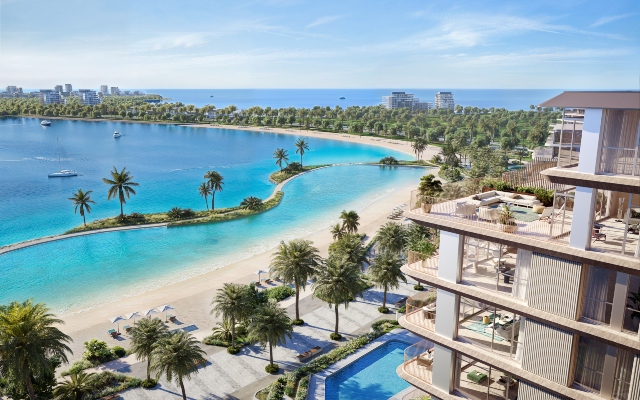
Strong selection depends on separating durable lifestyle fundamentals from short-term market momentum. Locations with clear planning discipline, distinctive waterfront or community appeal, mature infrastructure, and limited direct substitutes are structurally better positioned to protect and compound value over time.
Building Family Value Through Long-Term Place Quality
Lifestyle residences in Dubai are becoming intergenerational family assets because they combine emotional use with investment logic. The best-performing homes are not defined by design alone, but by the cumulative strength of location, privacy, community planning, infrastructure maturity, and long-term relevance across generations.
This makes lifestyle quality a financial consideration. A well-planned residence can support family continuity, rental appeal, and resale confidence in one asset. Explore Nakheel’s communities and lifestyle destinations in Dubai to discover homes designed for long-term family living and enduring value.