800 NAKHEEL

How Perception of Value Differs Between End-Users and Investors in Dubai
Value in Dubai real estate is shaped by intent and ownership objectives. An end-user may see value in a home that improves daily life through space, privacy, community quality, and long-term comfort often prioritizing how seamlessly the property integrates into everyday routines. An investor may assess a property through its rental strength, capital appreciation, liquidity, and positioning relative to future supply.
For end-users, value is lived and experienced, anchored in comfort, convenience, and continuity of lifestyle. For Dubai real estate investors, value is measured and tested over time, guided by performance metrics and market signals. The strongest opportunities often sit where both perspectives meet: homes that offer genuine liveability while also supporting resilient demand, rental stability, and long-term asset performance.
Key Takeaways
End-Users Measure Value Through Liveability
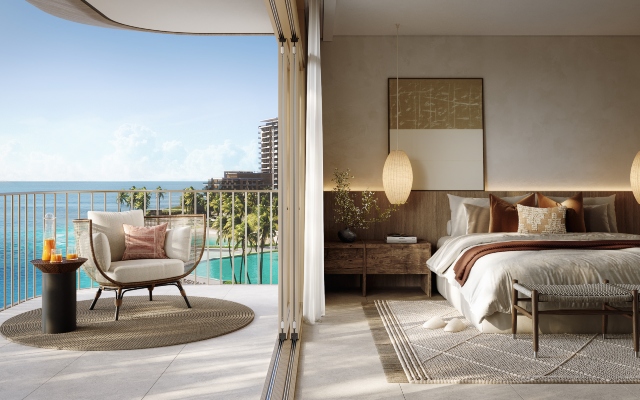
For end-users, value begins with how well a home supports daily life extending beyond layout to include the overall living environment and community ecosystem. Space, privacy, natural light, access to amenities, community management, school proximity, road connectivity, and neighbourhood maturity all influence whether a property feels worth its price.
This is why an end-user looking to buy property in Dubai may accept a higher price per square foot if the home reduces daily friction and enhances overall lifestyle effiency. A well-planned community can support family routines, improve quality of life, and encourage longer holding periods creating stability in ownership behaviour. Over time, this can also strengthen resale appeal because future buyers are often attracted to the same practical benefits.
End-user value is therefore emotional, functional, and long-term blending tangible features with intangible lifestyle benefits. It is not detached from financial logic, but it places greater weight on usability and permanence.
Investors Measure Value Through Performance
For investors, value is usually assessed through income, capital appreciation, market depth, and exit liquidity, with emphasis placed on measurable and comparable indicators. A property that looks attractive emotionally may not be investment-grade if service charges are high, tenant demand is narrow, or resale comparables are weak.
Rental income remains a key benchmark. Cavendish Maxwell reported 2025 gross rental yields of 7.0% for apartments and 4.8% for villas and townhouses in Dubai. This variation reinforces that rental yield in Dubai must be analysed in context, rather than interpreted as a uniform market indicator, taking into account property type, purchase price, operating costs, and tenant profile.
Investors also evaluate leasing velocity, tenant depth, and consistency of demand within a specific submarket, as these factors influence income stability and overall asset performance.
Why the Same Property Can Be Valued Differently
The same property can produce two different conclusions depending on the buyer’s objective, as each group applies different weighting to lifestyle versus financial criteria. An end-user may prioritise a larger floor plan, outdoor space, and community feel. An investor may prioritise entry price, rentability, payment structure, and resale liquidity.
For example, a villa in a mature master-planned community may appeal strongly to families because it offers privacy, space, and lifestyle continuity. An investor may evaluate the same villa by comparing rental yield, maintenance exposure, buyer depth, and the number of competing listings, alongside absorption trends within that location
Where End-User and Investor Priorities Overlap
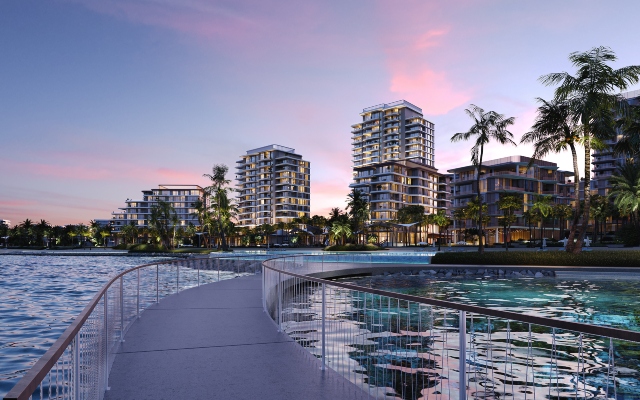
The strongest assets usually sit at the intersection of liveability and investment logic., where lifestyle quality directly reinforces market performance. Communities with clear planning, infrastructure, amenities, green space, waterfront access, retail convenience, and long-term maintenance discipline can appeal to both residents and investors.
This overlap matters because end-user demand often supports price resilience, creating a more stable foundation for value retention. When a location attracts residents who want to stay, the asset is less dependent on speculative demand. For investors, this can improve rental stability, reduce vacancy risk, and support resale depth across market cycles.
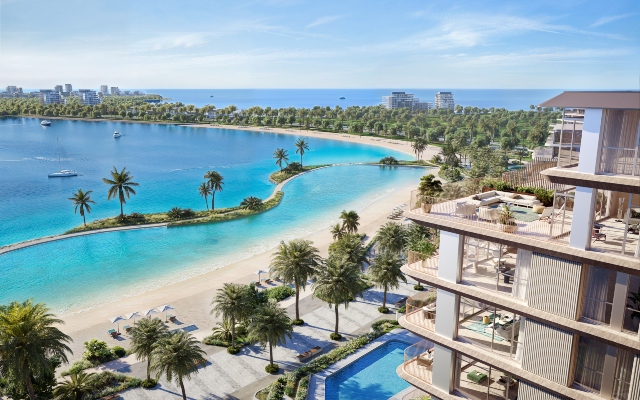
In premium real estate, scarcity also plays a central role, particularly in supply-constrained segments such as waterfront developments. Limited waterfront plots, distinctive views, low-density planning, and established community services can make a property harder to replicate. This is where lifestyle quality becomes a financial driver rather than a decorative feature.
What Buyers Should Compare Before Deciding
End-users should compare whether the property supports their expected lifestyle over the next five to ten years, taking into account both immediate needs and potential life-stage changes. This includes space needs, commute patterns, family requirements, community standards, and long-term comfort.
Investors should compare yield, capital growth potential, service charges, transaction depth, tenant demand, future supply, and resale liquidity, while also assessing positioning within the broader Dubai real estate cycle. They should also assess whether the asset has a clear reason to remain desirable beyond the current market cycle.
For both groups, price alone is an incomplete measure of value, as it does not fully capture demand drivers or long-term performance potential. A lower entry price can be offset by weaker demand, higher holding costs, or limited resale appeal. A higher-quality asset may justify its premium if it combines daily utility with scarcity, planning discipline, and a broad future buyer pool.
Value Depends on Purpose, But Quality Protects Both
End-users and investors view Dubai property through different lenses, but the most resilient assets often satisfy both, bridging lifestyle value with financial performance. End-users look for homes that improve daily life, while investors seek assets that can generate income, preserve capital, and remain liquid. In a larger and more sophisticated market, the best decisions are made by connecting lifestyle value with financial evidence.
Nakheel’s master-planned communities are shaped around this balance, bringing together waterfront positioning, community infrastructure, lifestyle amenities, and long-term planning discipline. Explore Nakheel communities to discover homes designed for both enduring liveability and long-term investment relevance.