800 NAKHEEL

What Buyers Should Know About Early Community Maturity in New Waterfront Districts
Buying into a new waterfront district often means investing in a vision that is still taking shape. While striking views and ambitious master plans can be appealing, the long-term success of a community depends on how quickly it evolves into a place where people can genuinely live, work, and connect.
Key Takeaways
- What Early Community Maturity Means
- Why Waterfront Districts Mature Differently from Inland Communities
- How Infrastructure Shapes Early Resident Confidence
- Why Amenities, Access, and Public Spaces Affect Demand
- How Early Maturity Influences Rental and Resale Potential
- What Buyers Should Assess Before Entering a New Waterfront District
- Understanding Early Community Maturity in Waterfront Districts
What Early Community Maturity Means
Early community maturity refers to the stage when a new district begins to function as a real neighbourhood rather than a construction-led destination. This includes resident occupancy, road access, essential services, retail activation, landscaping, public spaces, mobility links, and a clear sense of daily use.
For buyers, this stage helps provide greater confidence in a community’s future trajectory. A district with visible occupancy, completed infrastructure, and active amenities gives investors stronger evidence of end-user demand. It also helps residents judge whether the area can support everyday life and future capital appreciation.
Why Waterfront Districts Mature Differently from Inland Communities
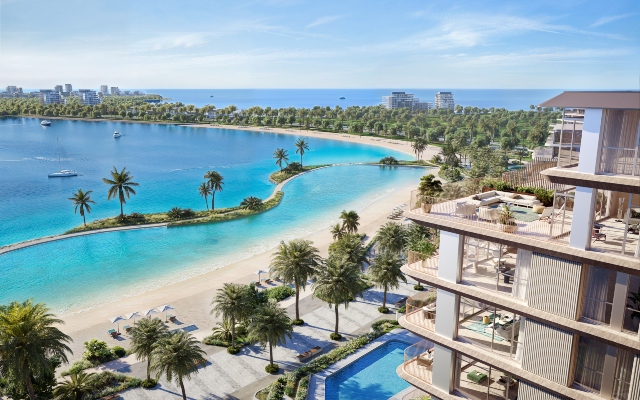
Waterfront districts often take longer to mature because they depend on more complex infrastructure. Marine edges, promenades, drainage systems, public-realm design, hospitality components, and access routes must work together before the district can deliver its full value. Public waterfront spaces, leisure attractions, and hospitality offerings can further influence how the district evolves and activates over time.
Balancing Early Entry Opportunities with Market Certainty
This longer development curve can create a temporary gap between early pricing and established desirability. Buyers entering too early may benefit from lower entry prices, but they also take on more uncertainty around activation timelines. Buyers entering later may pay more, but they gain better visibility on quality, resident demand, and rental performance, and the overall pace of community activation.
The Importance of Coordinated Development Phasing
The most successful waterfront districts usually mature through careful phasing. Residential handovers, access roads, retail openings, and public spaces should support each other rather than arrive in isolation. When delivered in a coordinated manner, these elements can help create momentum and encourage earlier community adoption.
How Infrastructure Shapes Early Resident Confidence
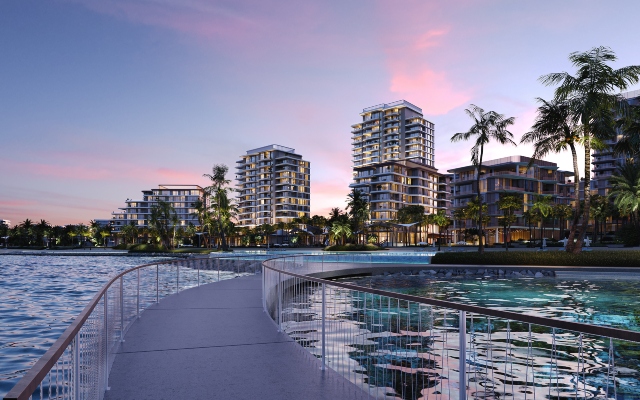
Infrastructure is one of the clearest signals of whether a new waterfront community is becoming investable. Roads, parking, utilities, public transport links, pedestrian routes, and service access all influence how quickly residents feel comfortable moving in and establishing daily routines within the community.
Usability as a Driver of Market Performance
Market performance is becoming more linked to usability. In 2025, Dubai residential prices rose by 12.1%, while rental rates increased by 11.1%. As growth moderates from earlier peaks, buyers are likely to pay closer attention to the practical qualities that support demand, including access, commute efficiency, and neighbourhood convenience.
Infrastructure’s Role in Supporting Rental Stability
Strong infrastructure also protects against early-stage friction. If residents face difficult entry routes, limited services, or incomplete public areas, rental demand may take longer to stabilise, even when the property itself is well designed.
Why Amenities, Access, and Public Spaces Affect Demand
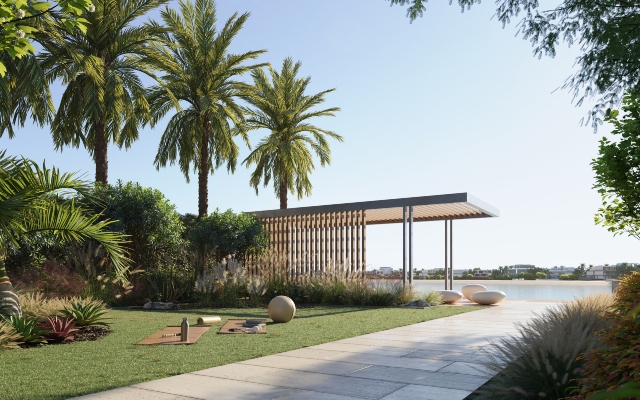
Waterfront demand is shaped by more than proximity to water. Increasingly, buyers and tenants are evaluating the quality of the overall lifestyle experience alongside the location itself. Buyers and tenants assess how the district supports movement, leisure, wellness, and social life. Promenades, shaded walkways, parks, dining, fitness spaces, schools, clinics, and everyday retail all help convert a scenic location into a durable residential address.
Long-Term Urban Planning Supports Waterfront Liveability
Dubai’s long-term planning reinforces this direction. The Dubai 2040 Urban Master Plan aims to increase public beach length by 400%, while the Dubai Quality of Life Strategy 2033 places greater emphasis on parks, walking, cycling, and accessible community services.
Diverse Tenant Appeal Strengthens Investment Potential
Apartment investors often rely on rental depth and resale liquidity, both of which improve when a district attracts a broad tenant base rather than only view-led demand. A more diverse resident profile can also contribute to stronger occupancy levels and long-term market resilience.
How Early Maturity Influences Rental and Resale Potential
Early maturity affects investment performance through absorption, rental confidence, and exit liquidity. In 2025, gross rental yields in Dubai stood at 7.0% for apartments and 4.8% for villas and townhouses, showing the continued appeal of income-generating residential assets. However, yields can vary by location, supply levels, and occupancy strength.
Faster Leasing Through Visible Lifestyle Appeal
New districts with strong early maturity may lease faster because tenants can understand the lifestyle proposition immediately. They can see access routes, amenities, public spaces, and neighbouring activity along with the community experience taking shape around them.
Stronger Resale Confidence Through Delivered Outcomes
Resale potential also improves when buyers can compare the original promise with the delivered reality. Completed public spaces, active retail, and visible resident life can narrow the confidence gap between off-plan value and ready-property demand.
What Buyers Should Assess Before Entering a New Waterfront District
Buyers should assess early community maturity through evidence rather than marketing language. The most important indicators include infrastructure completion, handover sequencing, resident occupancy, public-realm progress, retail activation, and the quality of surrounding access.
Review Supply Pipelines and Delivery Timelines
Supply should also be reviewed carefully. Dubai completed around 40,400 residential units in 2025, while the projected 2026 supply is higher, although actual delivery may be lower due to construction timelines. In this environment, waterfront districts with stronger planning discipline, phased activation, and genuine lifestyle infrastructure may be better positioned than locations relying only on future expectations.
Evaluate Long-Term Liveability and Demand Drivers
Buyers should also consider whether the district can serve both residents and tenants. A waterfront address with limited daily services may appeal visually, but a liveable district with amenities, transport access, and public spaces that foster a strong sense of place is more likely to support repeat demand across market cycles.
Understanding Early Community Maturity in Waterfront Districts
Early community maturity is one of the most important signals buyers can study before entering a new waterfront district. It shows whether a location is moving from concept to lived reality, and whether infrastructure, amenities, and public spaces are creating the conditions for long-term demand and sustainable community growth.
For buyers seeking waterfront communities shaped by master planning, connectivity, and long-term lifestyle value, Nakheel offers destinations designed around residential quality, public-realm activation, and Dubai’s evolving waterfront vision. Discover Nakheel’s communities today.