800 NAKHEEL
Why Low-Density Luxury Communities in Dubai Are Appealing to Global Buyers
Dubai’s prime residential market is increasingly shaped by global buyers who view luxury property as an enduring family asset rather than simply a prestigious address. For this buyer, a home should support privacy, architectural distinction, effortless entertaining and a sense of permanence across generations.
Low-density luxury communities respond to these expectations by offering a more private residential setting, where the home, landscape and surrounding neighbourhood form part of a wider ownership experience. Their appeal lies in the balance between exclusivity and liveability: private enough to offer a retreat, refined enough for entertaining and practical enough to support long-term family use.
Key Takeaways
- What Are the Main Differences Between a Low-Density Community and a High-Rise Luxury Development for Global Buyers?
- How Do Villa Communities, Island Communities and Other Low-Density Formats Compare for Privacy, Space and Exclusivity?
- Which Features of a Low-Density Community Support Privacy and Long-Term Property Desirability for International Buyers?
- How Do Beachfront and Inland Low-Density Communities Compare on Accessibility, Lifestyle and Exclusivity?
- How Should Buyers Compare Low-Density Developments for a Primary Residence, Second Home and Long-Term Family Use?
- A More Enduring Form of Ownership
What Are the Main Differences Between a Low-Density Community and a High-Rise Luxury Development for Global Buyers?
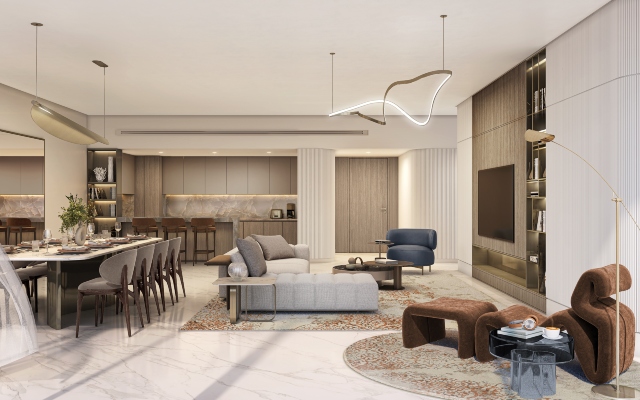
A low-density community gives buyers more space within and around the home. The experience is shaped by private entrances, larger plots, gardens, terraces, quieter internal roads and a stronger connection to the surrounding landscape. This format can suit global buyers who want a home that supports longer stays, family routines, guest hosting and great residential privacy.
A high-rise luxury development offers a more vertical and service-led model. Its value often comes from views, central positioning, managed amenities, concierge-style services and proximity to business, dining, retail and cultural districts. This may suit buyers who want a secure city residence that is easy to maintain and convenient for shorter visits.
The difference is how each format delivers luxury. In a high-rise development, the experience is concentrated within the building through architecture, services, amenities and access control. In a low-density community, luxury extends throughout the master plan, through plot separation, landscaping, private outdoor areas, streets, access points and the overall community plan.
For global buyers, the right choice depends on how the property’s intended use. A high-rise option may work better for city access and managed convenience. A low-density community may be stronger for buyers seeking a primary residence, second home or long-term family base where space, privacy and community settings carry greater weight.
How Do Villa Communities, Island Communities and Other Low-Density Formats Compare for Privacy, Space and Exclusivity?
Low-density luxury communities in Dubai encompass several residential formats, each format delivers privacy, space and exclusivity in a different way. For global buyers, the comparison should not stop at whether a home is larger or lower-rise. The more useful question is how the community protects privacy, how much usable space it offers and what makes the setting difficult to replicate.
Villa Communities
Villa communities usually provide the most direct form of everyday residential privacy. The home is typically supported by its own entrance, private outdoor area, parking, family spaces and clearer separation from neighbouring homes. This makes the format practical for longer stays, visiting relatives, private hosting and multigenerational use.
Space is also more usable in a villa community because it is not limited to interior square footage. Gardens, terraces, service areas, family rooms and outdoor seating can all support the way the home is lived in over time.
Exclusivity in villa communities is shaped by both location and planning quality. Buyers should assess plot separation, controlled access, landscaping, internal road design, traffic flow and the level of visibility into private outdoor areas feel from neighbouring homes or shared streets.
Island Communities
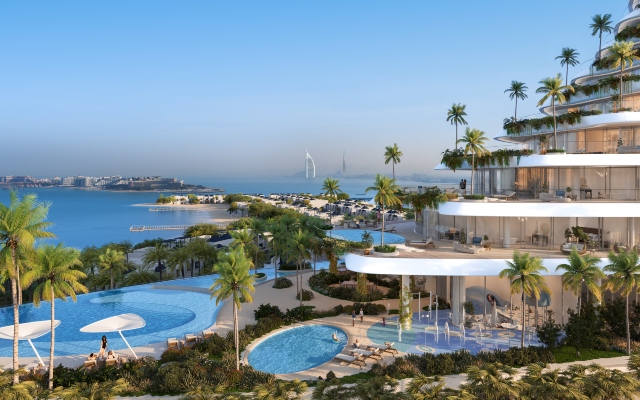
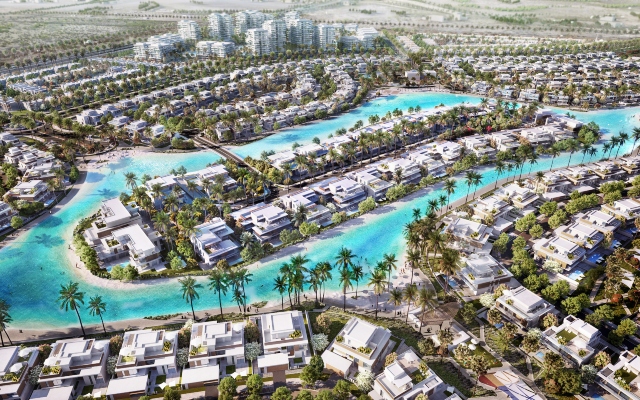
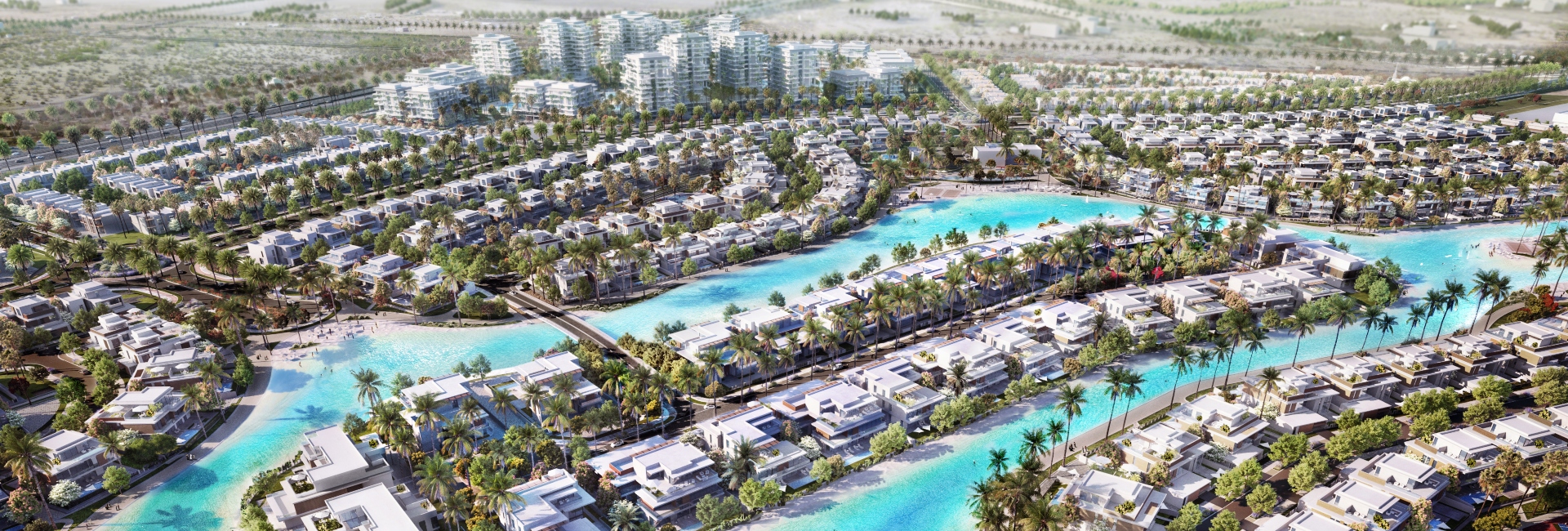
Island communities create privacy through physical separation and a distinctive sense of arrival. Their appeal comes from limited access points, waterfront orientation and a stronger sense of being set apart from the wider city. This can make the home feel more private and destination-led, especially for buyers who value sea views, beach access or a recognisable waterfront address.
Space in island communities extends beyond the home itself. It is also shaped by the relationship between the property, the shoreline, open views, waterfront routes and the wider master plan. For buyers, the key question is whether the island setting delivers meaningful lifestyle value beyond the prestige of its location.
Their exclusivity is usually reinforced by the limited availability of comparable waterfront land is limited. However, buyers should also assess access, internal mobility and future phase delivery. A strong island community should feel private without becoming inconvenient for everyday use.
Other Low-Density Formats
Other low-density formats can include coastal master-planned communities, low-rise residential districts and landscaped neighbourhoods shaped by golf courses, waterfront promenades, parks or open space. These communities may not offer the same level of seclusion as a private island setting, but they can provide a practical balance between privacy, lifestyle access and day-to-day convenience.
Their value depends on how the wider community is planned around its home. Buyers should assess whether open spaces are accessible enough for regular use, whether roads and pedestrian routes feel calm, whether amenities are easy to reach and whether the community retains its sense of privacy as hospitality, leisure or visitor movement is introduced.
For global buyers, this format can be attractive when the property needs to serve more than one purpose. It may work as a family base, a second home and a long-term asset because it offers space, landscape and a lower-density setting without feeling disconnected from the city’s services, dining, leisure and transport links.
Which Features of a Low-Density Community Support Privacy and Long-Term Property Desirability for International Buyers?
For international buyers, privacy and long-term desirability depend on how the community is planned. A low-density address is stronger when the master plan protects personal space, manages movement carefully and creates a setting that remains difficult to replicate over time.
Plot Separation and Home Orientation
Plot separation is one of the clearest indicators of residential. Buyers should assess the distance between homes, the positioning of entrances, garden exposure, terrace orientation and whether principal living areas overlook private outdoor space or shared movement routes.
Controlled Arrival and Internal Movement
Privacy is also shaped by how residents, guests and visitors enter and move through the community. Controlled access points, calm internal roads, clear visitor movement and separation between residential areas and busier amenities help protect the residential character of the neighbourhood.
Landscape Buffers and Outdoor Privacy
Landscaping should do more than enhance the community’s visual appeal. Mature planting, shaded streets, boundary landscaping and green buffers can soften views between homes, reduce exposure to roads and make outdoor areas more usable. This supports both privacy and long-term desirability because the community feels more settled as the landscape matures.
Scarcity of Setting
Long-term desirability is often enhanced when a community’s setting is inherently constrainedby nature or planning. Waterfront position, island access, larger plots, low-density land use and carefully planned open space are harder to reproduce than standard vertical supply. For international buyers, this scarcity can support the sense that the home is not easily substituted by another luxury property elsewhere in the city.
Quality of Community Management
A low-density community depends on long-term upkeep. Buyers should consider how roads, landscaping, security, shared facilities, beach areas, parks and public spaces will be maintained after handover. Poor management can weaken privacy and desirability over time, while consistent upkeep helps preserve the quality and character of the community.
Flexibility for Long-Term Family Use
International buyers often need a home that can serve different purposes over time: primary residence, second home or long-term legacy asset. Homes with flexible layouts, guest accommodation, private outdoor areas, parking, service spaces and room for changing family needs are more likely to remain relevant and functional across different life stages.
How Do Beachfront and Inland Low-Density Communities Compare on Accessibility, Lifestyle and Exclusivity?
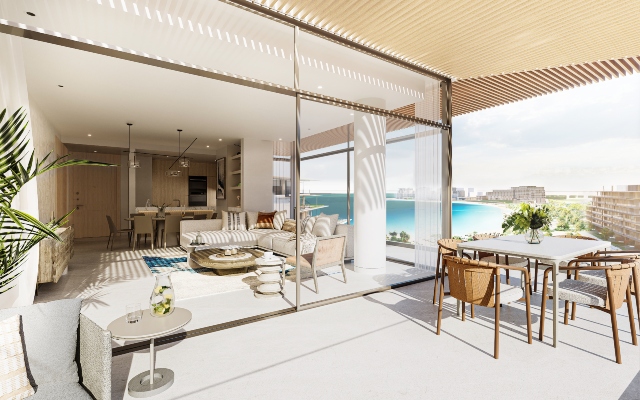
Beachfront and inland low-density communities both appeal to global buyers, but they serve different ownership priorities. Beachfront communities usually offer greater lifestyle distinction through water views, beach access, coastal movement and a more retreat-like setting. Their exclusivity is often underpinned by scarcity, asvwaterfront land and direct beach access are limited.
Inland low-density communities are usually better positioned for everyday practicality.. They may offer easier access to schools, retail, healthcare, business districts and major roads, which can make them more suitable for primary residence use. Their exclusivity depends less on waterfront scarcity and more on larger plots, privacy between homes, controlled access, landscaping and a calm neighbourhood environment.
For buyers, the choice depends on the intended use of the property. A beachfront community may hold greater appeal as a second home, offering leisure-led living and the enduring rarity of a waterfront setting.. An inland low-density community may be stronger for daily family life, convenience and year-round residential use.
How Should Buyers Compare Low-Density Developments for a Primary Residence, Second Home and Long-Term Family Use?
For a primary residence, buyers should focus on daily practicality. Access to schools, commuting requirements, grocery shopping, healthcare, road connectivity, parking, security, maintenance and community services are as important as privacy and design.
For a second home, the priorities shift. Buyers may place more weight on waterfront access, lock-up-and-leave convenience, guest hosting, leisure amenities, property management and ease of arrival from the airport. The home should feel private and distinctive, but also simple to use during shorter stays.
For long-term family use, flexibility matters most. Buyers should assess whether the home can support changing family needs over time, including children growing older, multigenerational visits, remote work, staff requirements and future resale appeal.
A More Enduring Form of Ownership
Low-density luxury communities hold the greatest appeal when they align with how a property will be used and enjoyed over time. Buyers should look beyond size and assess privacy, access, landscape quality, outdoor space, community planning and long-term maintenance. The strongest choice is the one that can work as a private retreat, a family base and a lasting Dubai address.
Explore Nakheel communities designed around privacy, space and distinctive settings, and compare the villa, island and waterfront homes that best support long-term family living in Dubai.