800 NAKHEEL
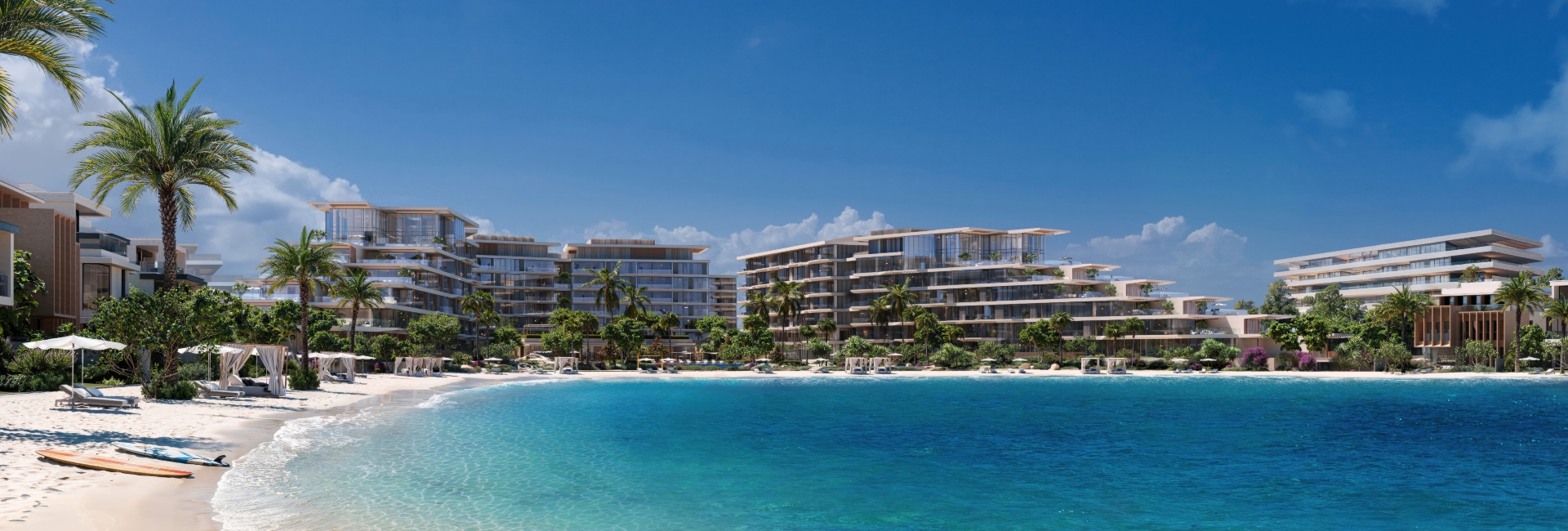
The Tourism-to-Homeownership Journey: Why Visitors Become Buyers in Dubai’s Coastal Communities
Tourism and residential investment are often viewed as distinct property market drivers. In Dubai, however, repeated exposure to the city cantransform a short-term visit into a considered long-term ownership decision. Visitors experience the infrastructure, service standards, coastal lifestyle, and day-to-day convenience before committing capital, helping to reduce the perceived risk of purchasing property in an international market.
This progression is becoming increasingly significant as Dubai’s visitor economy and international property market expand together. The city welcomed a record 19.59 million international overnight visitors in 2025, representing annual growth of 5%. Nearly one-quarter of annual visitors returning to the city, Dubai benefits from a tourism base that steadily builds confidence, familiarity, and potential future buyer intent.
Key Takeaways
- Why Dubai’s Visitor Economy Matters to Residential Demand
- From Holiday Experience to Ownership Intent
- Why Coastal Communities Leave a Strong Buyer Impression
- The Role of Trust, Safety, and Ease of Ownership
- Second Homes, Rental Potential and Lifestyle Flexibility
- Coastal Familiarity Can Become Long-Term Confidence
Why Dubai’s Visitor Economy Matters to Residential Demand
A large visitor economy creates value beyond hospitality revenues. It introduces millions of international travellers to Dubai’s neighbourhoods, transport systems, public spaces, and residential standards, allowing them to assess the city through direct lifestyle experience rather than market perception alone.
First-Hand Experience Reduces Buyer Uncertainty
This exposure can support property demand because buyers are not evaluating the city through marketing materials. They have already experienced its accessibility, amenities, and operating environment. Repeat visits may strengthen this effect by allowing potential buyers to observe different districts, seasons, and lifestyle patterns before making a decision, allowing them to assess the city through direct lifestyle experience rather than market perception alone.
Strong Transaction Volumes Reflect Growing Investment Interest
The scale of Dubai’s real estate market indicates that this international interest is converting into substantial investment activity. Dubai Land Department recorded AED761 billion in real estate transactions during 2024, while the first quarter of 2026 alone attracted AED148.35 billion in foreign real estate investment, up 26% year on year. This sustained capital flow highlights Dubai’s position as a mature global property market, where lifestyle appeal is increasingly supported by liquidity, investor confidence, and institutional-grade market transparency.
From Holiday Experience to Ownership Intent
The journey from visitor to owner usually begins with familiarity rather than an immediate investment objective. A holiday may introduce the waterfront lifestyle, while later visits provide a clearer understanding of journey times, community services, property types and seasonal demand. For many international buyers, this gradual progression allows emotional connection and practical due diligence to develop in parallel.
This familiarity reduces information gaps. International purchasers can compare the experience of staying in a coastal destination with the practical implications of owning there, including maintenance, service charges, accessibility and rental management.
Why Coastal Communities Leave a Strong Buyer Impression
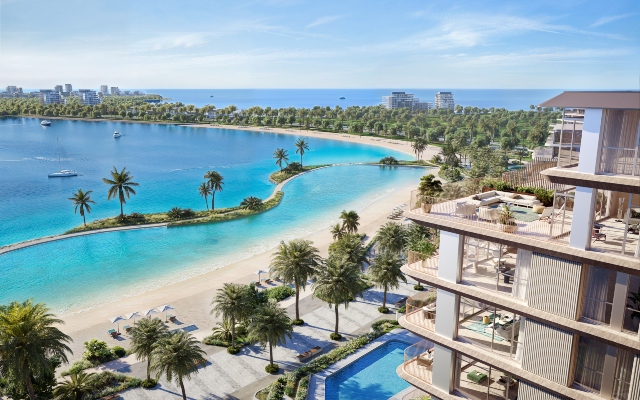
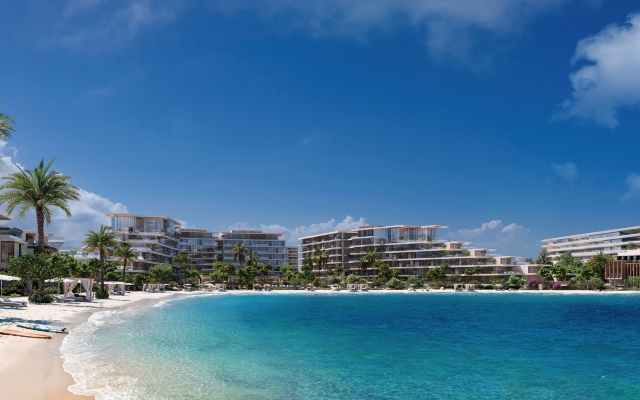
Coastal communities create a particularly strong connection between tourism and ownership because the same qualities that attract visitors can also support long-term residential demand. Beach access, open views, pedestrian environments, and proximity to leisure facilities influence both holiday choices and second-home preferences. In premium markets, these lifestyle attributes are closely linked to perceived asset quality, scarcity, and enduring owner appeal.
Scarcity and Long-Term Value in Coastal Real Estate
The investment relevance lies in scarcity. Waterfront land cannot be replicated as easily as inland supply, while well-planned coastal districts require substantial infrastructure, environmental management, and long-term maintenance. Where development quality is controlled, these constraints can support differentiation across market cycles. For buyers seeking capital preservation alongside lifestyle value, this scarcity can make established and emerging coastal destinations particularly compelling.
Strategic Expansion of Dubai’s Coastal Infrastructure
Dubai’s planning strategy reinforces the long-term role of the coastline. The Dubai 2040 Urban Master Plan aims to increase the length of public beaches from 21 kilometres to 105 kilometres, representing a 400% expansion. This investment in coastal infrastructure is intended to improve the quality of life for residents while strengthening Dubai’s appeal to visitors. It also signals the city’s wider commitment to enhancing waterfront accessibility, leisure connectivity, and the urban experience around coastal living.
The Role of Trust, Safety, and Ease of Ownership
Lifestyle appeal may create interest, but confidence in the ownership framework determines whether interest becomes a transaction. For international buyers, the reassurance of clear regulation, established registration processes, and recognised property rights is central to converting familiarity into capital commitment.
Legal Framework for Foreign Property Ownership
Foreign nationals can acquire freehold property in designated areas of Dubai. Property rights are recorded through Dubai Land Department, while off-plan developments are subject to regulations that include project escrow requirements. These mechanisms give international buyers a more structured route to ownership and provide clearer legal records for property rights. This level of governance is especially important for overseas purchasers who may be entering the market remotely or comparing Dubai with other global property destinations.
Transaction Accessibility and Residency Incentives
Transaction accessibility also matters. Dubai Land Department provides remote property registration procedures, allowing eligible transactions to be completed without the owner being physically present in Dubai. For qualifying property investors, ownership of property valued at AED2 million or more may also support an application for a renewable ten-year residence permit, subject to the applicable conditions. Together, digital procedures and residency-linked incentives make Dubai’s ownership proposition more convenient, globally accessible, and aligned with long-term mobility planning.
Second Homes, Rental Potential and Lifestyle Flexibility
Coastal property can serve several purposes: a seasonal residence, a future primary home, or an income-producing asset when it is not being personally used. This flexibility is especially relevant to international buyers who divide their time between countries. It allows ownership to support both personal lifestyle priorities and broader wealth-management objectives, depending on the buyer’s usage strategy.
Strong Rental Demand in Dubai’s Residential Market
Dubai’s wider rental market demonstrates substantial residential demand. In 2025, registered tenancy contracts increased by 6% to 1.38 million, while their combined value rose by 17% to AED126.4 billion. For coastal assets, this demand backdrop can be particularly relevant when supported by strong location fundamentals, quality management, and consistent resident or visitor appeal.
However, tourism growth should not be treated as a guarantee of rental performance. Returns depend on acquisition price, property quality, operating costs, licensing requirements, management standards, and the balance between seasonal and year-round demand. A disciplined buyer therefore evaluates net income and personal-use value rather than relying only on headline rental projections.
Coastal Familiarity Can Become Long-Term Confidence
Dubai’s tourism-to-homeownership journey is shaped by repeated visits, helping buyers gain familiarity and confidence before investing. For visitors who return regularly, coastal communities can evolve from memorable holiday destinations into credible second-home, relocation, or investment options.
Strong purchase decisions depend on planning quality, regulation, and realistic expectations. While coastal appeal attracts interest, long-term value comes from well-designed communities.
Nakheel’s coastal developments reflect this approach, offering integrated waterfront living. International buyers can explore these communities to find a home that suits both lifestyle and investment goals.