800 NAKHEEL
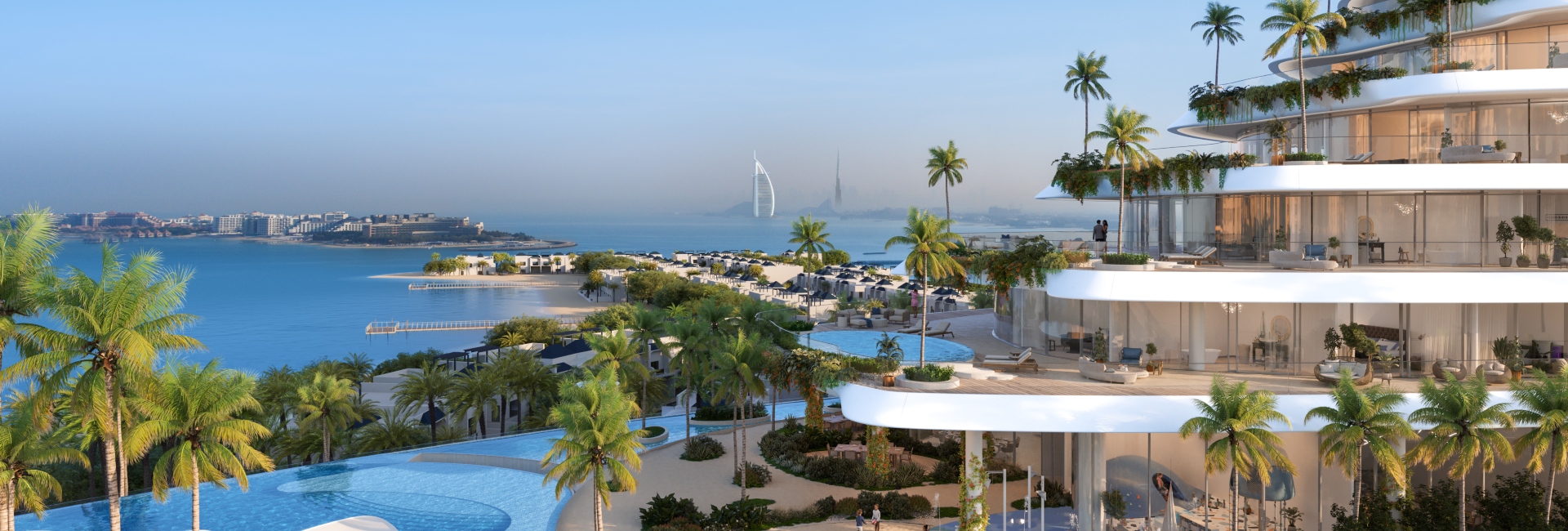
What Is a Legacy Coastal Home and Why Are Families Choosing Waterfront Properties in Dubai?
A legacy coastal home is a waterfront property designed to support family life across generations, rather than function solely as a prestige purchase or occasional retreat. In Dubai, its long-term suitability depends on how the coastal setting complements the home's layout, privacy, durability and surrounding community.
Beachfront properties can offer direct coastal access, open views, generous outdoor space and low-density villa living. For families planning to own for decades, the defining consideration is whether a home can accommodate evolving needs while keeping long-term maintenance manageable.
Key Takeaways
- What Makes a Coastal Home Suitable for Multigenerational Living?
- What Are the Long-Term Costs of Owning a Beachfront Home in Dubai?
- What Should Families Ask Before Buying a Waterfront Property in Dubai?
- How Do Beachfront Homes Compare with Inland Luxury Villas in Dubai?
- Which Nakheel Waterfront Communities Suit Long-Term Family Living?
What Makes a Coastal Home Suitable for Multigenerational Living?
A legacy home should accommodate generations living together, extended family visits and changing requirements at different stages of life. Its suitability depends on the flexibility of its layout, rather than floor area alone.
Key features include separate bedroom zones, en-suite guest rooms, multiple living areas, ample storage and well-planned accommodation for live-in support. A ground-floor bedroom, a lift or provision for future lift installation can reduce reliance on stairs as residents' mobility needs change.
Privacy depends as much on the plot and its surroundings as on the villa's design. Families should assess overlooking from neighbouring windows, setbacks, landscaping, outdoor living areas and whether the beach frontage offers privacy or is exposed to neighbouring activity.
Long-term ownership also calls for careful consideration of construction quality and maintenance access. Exterior finishes, waterproofing, drainage, glazing and mechanical systems, particularly those exposed to sun, humidity and coastal conditions, should be accessible for inspection, upkeep and eventual replacement.
What Are the Long-Term Costs of Owning a Beachfront Home in Dubai?
The cost of owning a beachfront home extends beyond the purchase price. In Dubai's jointly owned developments, service and usage charges can cover the operation, maintenance and repair of shared areas and facilities, as well as security, utilities, insurance, management and reserve contributions. Families can review approved charges through the Dubai Land Department's Service Charge Index.
Private villa maintenance can also represent a substantial recurring expense. Long-term budgets should account for pools, landscaping, cooling systems, façades, windows, terraces, waterproofing, gates and exterior equipment.
Coastal exposure also influences maintenance requirements. Material specifications and protective finishes deserve particular attention where exterior components are exposed to humidity and salt. Dubai Municipality standards for certain exterior cladding products include humidity and salt-spray resistance testing, underscoring the importance of materials suited to local conditions.
A meaningful comparison therefore considers the home's estimated annual ownership costs, including community charges and private upkeep, rather than service charges in isolation.
What Should Families Ask Before Buying a Waterfront Property in Dubai?
Families planning to retain a home across generations should establish how ownership is registered, which documents govern the property and what a future transfer would require. In Dubai, inherited property can be transferred to heirs through the Dubai Land Department, subject to the relevant legal inheritance documentation and court instructions, making early succession planning with an appropriate legal adviser an important consideration.
Buyers should request construction specifications, handover and inspection procedures, warranty details and the process for rectifying defects. RERA guidance confirms that owners can inspect a property before handover or appoint a specialist to undertake the inspection.
Long-term community management is equally important. Families should clarify who manages shared facilities and waterfront infrastructure, which responsibilities remain with individual owners and how major future repairs are funded. In jointly owned properties, management companies oversee common facilities.
For a legacy coastal home, these questions help assess whether ownership, maintenance and future transfers can be managed efficiently over decades, beyond the property's condition at purchase.
How Do Beachfront Homes Compare with Inland Luxury Villas in Dubai?
A beachfront villa can offer direct water access, uninterrupted views and a coastal lifestyle that an inland property cannot replicate. These qualities may hold particular appeal for families who expect to make regular use of the beach and outdoor living spaces.
A beachfront setting does not, however, guarantee greater privacy. A quiet inland plot with generous setbacks may offer greater seclusion than a coastal home beside a hotel, promenade, shared beach or neighbouring outdoor entertainment area. Each property's position and surrounding land use therefore warrant individual assessment.
Inland villas may require less exterior maintenance because they are less exposed to coastal conditions. They may also be better suited to families who prioritise access to established schools, workplaces and everyday destinations over direct beach access.
Construction quality should be assessed property by property, rather than inferred from location. Resale prospects require the same individual assessment. A waterfront address can enhance a home's appeal, but long-term value remains influenced by its condition, plot quality, privacy, access, recurring costs and competing supply.
Which Nakheel Waterfront Communities Suit Long-Term Family Living?
Choosing a Nakheel waterfront community depends partly on whether a family prefers an established destination or a developing neighbourhood with amenities and infrastructure being delivered over time.
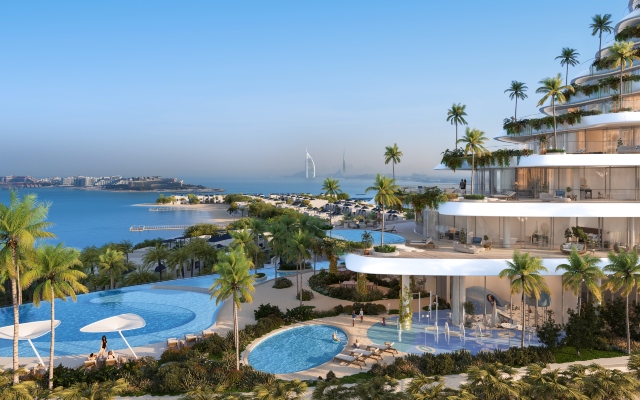
Palm Jumeirah is the most established of these waterfront destinations. Its fronds feature gated, low-density villa neighbourhoods with direct beach access, while the wider island offers retail, leisure, hospitality and marina facilities. Several medical providers also offer healthcare on the island. Families considering a long-term home should assess school routes, traffic patterns and the villa's precise location within the island.
Palm Jebel Ali offers a different proposition as a waterfront community still under development. Villas are planned within private frond neighbourhoods, with beach access, walkable streets, landscaped spaces and pocket parks. Plans for the wider community include nurseries, schools and healthcare facilities within or near neighbourhoods, but buyers should distinguish between amenities available at purchase and those scheduled for future delivery.
Dubai Islands offers another emerging setting for long-term waterfront living. Bay Villas brings together beachfront and waterfront homes within a gated community, alongside parks, pools, sports facilities, children's areas and beach access. As the wider destination develops, families should assess delivery timelines for surrounding infrastructure and everyday services, alongside the long-term vision of the masterplan.